

Khudoyor Rakhmatov

Khudoyor Rakhmatov has a Bachelor's degree in Linguistics and a Master's degree in International Business Communications. Although he undertook multiple positions throughout his career, he has always admired digital marketing as well as content marketing so RMC Asia has given him the opportunity to show his marketing and copywriting skills. By the way, he also occupies himself with front-end development and programming when he gets nerdy or bored.

Social Media’s Impacts on the Hospitality Business

Over the past few years, social media has become a significant tool for delivering messages and communicating with people. Many brands also use social media platforms to influence their customers, from introducing the brand and selling to purchasing and sharing their experience with the products.

Social media is also essential in the hospitality and tourism industry as part of the sales and marketing strategy. Revenue Hub’s data shows that 97% of millennials share their pictures on social media platforms while traveling. Additionally, 71% of travel agencies have reported better consumer interactions through social media. As an industry heavily relying on customers’ reviews and word-of-mouth, these data show how much potential social media gives to the business.

Hospitality and tourism businesses can engage and give a lasting impression to their prospective customers through social media content. Social media plays a massive role in increasing brand awareness, improving customer engagement, managing brand reputation, and increasing the number of customers. Here are a few impacts social media has in the hospitality and tourism business and why it’s crucial to be applied in the sales and marketing strategy.

6 Social Media’s Impacts on Hospitality Business

1. Increase Brand Awareness

As mentioned earlier, social media is a powerful instrument that enables customers to discover and connect with hospitality and tourism brands through modernized word-of-mouth. It is perceived as a trustworthy platform for gathering brand information and learning about other people’s experiences. Customers’ online reviews and recommendations surrounding the hospitality businesses are critical to establishing and maintaining potential customers.

Social media also provides hospitality businesses the means to efficiently spread information to a broad audience, which cannot easily be achieved through traditional channels like broadcast, print, or offline events. A hospitality business can seamlessly share high-quality videos or professional photography across all social media platforms to heighten brand awareness. This dynamic platform enables effective communication and connection with existing and potential customers.

Additionally, it is essential not just to spread information and have one-way communication but also to create dialogues with the customers to maintain customer relationships and develop loyalty towards the brand over time. Various methods can be utilized, such as crafting posts or stories with questions relatable to the customers and triggering responses you can engage with.

2. Enhance Customer Engagement

Enhancing customer engagement can be achieved by actively participating in conversations, posing inquiries to understand customers better, and prompting them to share brand content, tag friends, and join discussions. Brands can further boost engagement through interactive content like giveaways and promotions.

Cultivating an engaged online community contributes to creating a positive online presence, increasing customer investment, amplifying word-of-mouth promotion, and establishing a loyal customer base. When customer queries are addressed promptly and effectively, it increases the likelihood of their return for future purchases and attracts new customers.

Engaging with users who comment on posts through prompt and thoughtful responses is recommended. This practice assists in establishing trust between the brand and potential customers while displaying appreciation for their feedback.

3. Monitor Brand’s Competitors

Through social media utilization, hospitality brands can leverage feedback and data to enhance their processes, providing outstanding experiences to customers. In an industry where customer loyalty is paramount, social media becomes a tool for brands to cultivate loyalty and garner exposure by maintaining customer engagement and showcasing their distinctive offerings. According to the International Tourism Research Center, 88% of travel marketers actively operate social media to promote their offerings and comprehend their customers’ needs.

For organizations in the hospitality sector, social listening is a crucial element for success. It empowers brands to track their audience’s behavior and keep tabs on their competitors. This information is vital for developing highly effective social media marketing strategies that tailor products and services to meet customer needs and interests, ensuring a competitive edge.

Monitoring competitors is an insightful approach to understanding the current industry trends, observing successful and unsuccessful strategies, and learning from their experiences. Social media is a personalized and interactive tool for reaching customers while offering brands a significant advantage over those who underutilize this platform.

4. Promote to a Targeted Audience

Social media marketing empowers hospitality brands to connect with potential customers based on their interests and demographic information. Promoting to a targeted audience enables brands to optimize their advertising expenses by creating impactful ad campaigns tailored to their market’s characteristics, such as age, income, location, language, gender, interests, hobbies, and more. This tool streamlines ad management for hospitality brands, efficiently allocating the marketing budget to ensure that the right audience sees the ads.

For instance, if a brand aims to promote a luxurious, pet-friendly hotel, directing ads toward pet enthusiasts who are also avid travelers with high incomes is likely to yield better results than a broad, non-targeted advertisement. Ad tracking tools facilitate the measurement of targeted ad effectiveness and audience responsiveness, which allows brands to evaluate campaign performance, identify areas for improvement, and make necessary adjustments for future campaigns.

Moreover, proficient tracking tools empower marketers to gauge the success of their campaigns, allowing them to make necessary adjustments for improved results in their next endeavors.

5. Brand Reputation Management

Unfavorable remarks on social media can swiftly impact any reputation. However, maintaining a positive brand reputation in an industry heavily reliant on customer experience and service becomes even more critical in the hospitality sector.

Brand reputation management is a practical strategic approach to oversee and shape how a hospitality brand is perceived online, meticulously monitoring every review, post, comment, or tweet. Ensuring that no negative comment goes unaddressed is vital.

Monitoring social media mentions and comments continuously to enhance customer sentiment would be necessary for any social media strategy. A positive brand reputation not only prolongs customers’ time to make decisions but also heightens the likelihood of them choosing a particular experience or service. Research indicates that travelers are 3.9 times more inclined to select a hotel with superior reviews than others in the same price range.

6. Increase Sales and Leads

Social media plays a pivotal role in boosting booking and sales rates within the hospitality sector, effectively maintaining visibility among the appropriate audience. With a significant 63% of customers utilizing social media to discover new restaurants, it has evolved into a valuable platform for customers to gather business information, including details about services, products, operating hours, costs, special events, and even hiring opportunities.

In the hospitality industry, leveraging social media is essential to capture customers’ attention through compelling content that encourages them to explore a business’s offerings more. The core of social media success lies in creating captivating content that captivates audiences and piques their interest in the offered services or products, leading to purchases or bookings. It is advisable to incorporate visuals like photos and videos, given their superior performance compared to text-based content, particularly on platforms such as Instagram and Facebook. 

Another strategy involves tapping into influencer marketing by collaborating with relevant influencers with a substantial following among potential guests. These influencers can help amplify brand awareness through their channels while providing valuable insights into effective targeting strategies for different traveler demographics (e.g., families versus couples).

Hospitality and tourism brands should ensure a seamless user experience, guiding potential customers from social media channels to their website booking platform with minimal clicks, streamlining the journey from initial interest to completion of a purchase or booking.

Strategic utilization of social media is critical when aiming to generate leads within the hospitality industry. If executed correctly, it becomes an exceptionally effective means of directly reaching prospective customers.

In a Nutshell

Social media platforms must be incorporated into any comprehensive sales and marketing strategy. It is one of the main priorities if you aim to enhance the online visibility of your hospitality business while establishing solid connections with existing and potential customers.

You can learn more about social media in the hospitality and tourism sector as part of the hospitality and business internship program that RMC Asia provides!

Besides the hospitality and business internship, RMC Asia offers management training programs and contractual positions. Our programs provide participants with hands-on working experiences in the global environment of prestigious hotels and resorts, which take place across Asia’s stunning destinations.

Is it a challenging journey you’re willing to tackle? Let’s start a new chapter with us and join our successful participants now!

Recommended: Your Compact Guide to Work and Travel in Asia!

Social Media’s Impacts on the Hospitality Business Read More »

Your Compact Guide to Work and Travel in Asia!

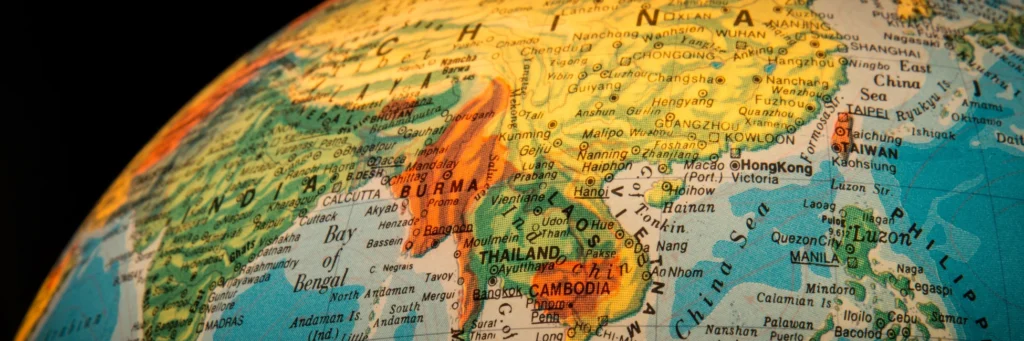
Asia is a favorite region for people looking to work and travel at the same time. There are numerous reasons why many choose Asia, including the affordable cost of living in many of its countries, abundant job opportunities for expats, unique cultures and traditions, as well as its enchanting destinations.

While moving to Asia for work and travel is not without its challenges, this land of diversity offers enriching experiences you may not find elsewhere – making it a worthy place for you to start your journey of working and traveling abroad.

In this article, you will find the perks of working and traveling in Asia as an expat; along with essential tips for first-timers who wish to begin their work and travel experiences in this vast and diverse continent!

The Benefits of Working and Traveling in Asia

Benefits of working and traveling in AsiaBenefits of working and traveling in Asia.

Besides the valuable and enriching experiences that working and traveling in Asia offer to many people, there is also a range of benefits when you decide to work and travel in Asia. See the list of advantages here!

  • Personal growth: Choosing to work and travel abroad in Asia means stepping out of your comfort zone to adapt to new environments, which helps broaden your horizons and fosters personal growth!
  • Language learning: Another benefit of working and traveling in Asia is the opportunity to learn a new language. Being able to understand a foreign language can open doors to greater opportunities and, of course, make it easier for you to communicate with others and navigate your destination country.
  • Cultural exchange: Working and traveling in Asia allows you to immerse yourself in a cultural exchange that exposes you to Asian customs, traditions, and ways of living, giving you a better cultural understanding!
  • Career development: Here in Asia, you will get to experience working with people of different backgrounds and cultures, helping you develop a global perspective. This makes you more attractive in the eyes of employers, which potentially leads to career development.
  • Network expansion: The opportunity to build your professional network and make new friends is wide open when working and traveling in Asia. Whether they are colleagues, industry leaders in your field, or neighbors, expanding your network can provide you with valuable advice and expose you to greater opportunities!

7 Essential Tips to Start Your Work and Travel Experience in Asia

Working and traveling abroad in Asia can be a bit of a hassle for foreigners, especially if they are first-timers. However, don’t let it stop you from pursuing your goal to take employment and explore Asia because we have prepared a list of essential tips to help you kickstart your work and travel experience there!

1. Know Your Destination and Its Culture

Know your destination and its cultureKnow your destination and its culture.

Asia is home to more than 40 countries, each grouped into one of five regional divisions: East Asia, Southeast Asia, South Asia, Southwest Asia, and Central Asia. This diversity of countries leads to a rich tapestry of cultures on the continent!

If you are planning to work and travel in Asia, the first step is to choose your destination within Asia. Then, learn about the country and get to know its culture, such as language, norms, and ways of interacting with others. For example, if your destination is Thailand, learn to practice the “wai”, the Thais’ form of greeting that involves a slight bow and the palms pressed together in a prayer-like gesture.

2. Research the Living Costs

Research the living costsResearch the living costs.

Working and traveling in Asia means you will be living there for a specific period of time, and as a result, there will be living expenses. Although most Asian nations are known for their cost-effectiveness in terms of living, a few are exceptions.

Your living expenditures in Asia will be based on your selected Asian location, which is why it is important to research the average living costs in your chosen country. Conduct research on the expenses for meals, transportation, accommodation, and other aspects of residing in the country to gain a comprehensive understanding of how much you should budget while working and traveling there.

3. Start Your Job Search

Start your job searchStart your job search.

It’s time to embark on your job search! Asia is a continent with the fastest-growing economy, which means that jobs in various industries are abundant in this region. One of the strongest sectors in Asia is hospitality and tourism, offering plenty of opportunities, especially for foreigners.

Thanks to modern technology, you can find suitable jobs in hospitality and tourism just by browsing the internet! If you’re looking for short-term jobs like internships instead, you can find them here. We offer numerous internship and management training opportunities in Asia’s top hotels and resorts that include living benefits – and applying for one is just a click away!

4. Prepare the Work and Travel Documents

Prepare the work and travel documentsPrepare the work and travel documents.

Next, you need to prepare one of the essential documents to make your work and travel adventure come true: visas. Visas are obligatory permits that allow you to enter a country, each with its own specific purpose.

Since you will be working and exploring your Asian destination, this means you need to arrange for a work visa that will enable you to take employment and reside in the country during your job contract. You can find information on how to obtain a work visa on your destination country’s immigration website or at its embassy. Don’t forget about insurance, as it provides important coverage to help you manage any issues you may encounter while working and traveling in Asia. Speaking of which, we offer visa and insurance assistance in our internship programs!

5. Build Your International Network

Build your international networkBuild your international network.

Networking is crucial wherever you go. Since you will be working and traveling in Asia, it’s important for you to start building your international network in your chosen country. Fortunately, you can now use social media as a means to connect with fellow expats who are working and traveling in Asia, just like you.

Having people you know in a foreign country would undoubtedly be a significant help; you can ask them for tips on living in the country, recommendations on recreation activities, or join a foreign workers forum to expand your network of friends to make your work and travel journey more colorful!

6. Organize Your Day Off

Organize your day offOrganize your day off.

Remember, you won’t just be working in your destination; you will also be traveling around the country. The best time for exploration is during your days off, so it’s important for you to arrange the time off provided by your company.

Your job contract will include details about vacation time (and sick days), which may vary between countries and companies. Organize your days off to plan the best adventure and, of course, ensure you have the budget to explore the country!

7. Enjoy the Journey

Enjoy the journeyEnjoy the journey.

Now you are all set! Embrace every opportunity that comes your way to experience new things, such as learning new cultures, making friends with locals, or exploring the beauty of your Asian destination. Working and traveling in Asia can be a challenge, but turning the experience into a fun one is in your hands – so, take the time to make the most of your stay and create unforgettable memories!

Wrapping Up

Whether you want to work, travel, or experience both, Asia and its countries are the ideal environment to do so. Asia offers plenty of benefits for foreigners who wish to take employment and explore the region, promising unforgettable experiences through its diversity and inclusivity.

Surely, going to Asia for work and travel purposes takes a lot of time and effort. However, there’s no need to worry too much about the whole process because you have come to the right place here with RMC Asia!

RMC Asia is a specialist in Cultural Exchange Programs, offering work-based internships and management training with a focus on the hospitality industry. Joining one of our programs means you’ll have the opportunity to work in top hotels and resorts across Asia while exploring the region’s stunning destinations at the same time! Our programs also provide assistance with everything you need to start your work and travel journey in Asia, including visas, insurance, and more to make the process seamless for you.

Well then, are you ready to kickstart your adventure of working and traveling in Asia? Find your calling here and join our successful participants now!

Recommended: Asian Adventures: Top Destinations for Work and Travel!

Your Compact Guide to Work and Travel in Asia! Read More »

Asian Adventures: Top Destinations for Work and Travel!

Asian Adventures: Top Destinations for Work and Travel!

Asia: home to 60% of the world’s population! Being the most populated region globally, Asia boasts various ethnic groups with distinct cultures, which are complemented by the diverse natural landscapes and attractive cities found within its countries.

The continent is also regarded as the fastest-growing economy, thanks to its rich resources and diverse prominent industries. These factors make Asia a top choice for a travel destination; as well as an ideal environment to pursue a dream career!

Asia is not only for either work or travel; anyone can experience both here. Our article today will cover the best destinations for work and travel in Asia, as well as detailed reasons why they are fit for your leisure and career purposes!

Best Asia Destinations for Work and Travel

1. Thailand

Thailand at night.Thailand at night.

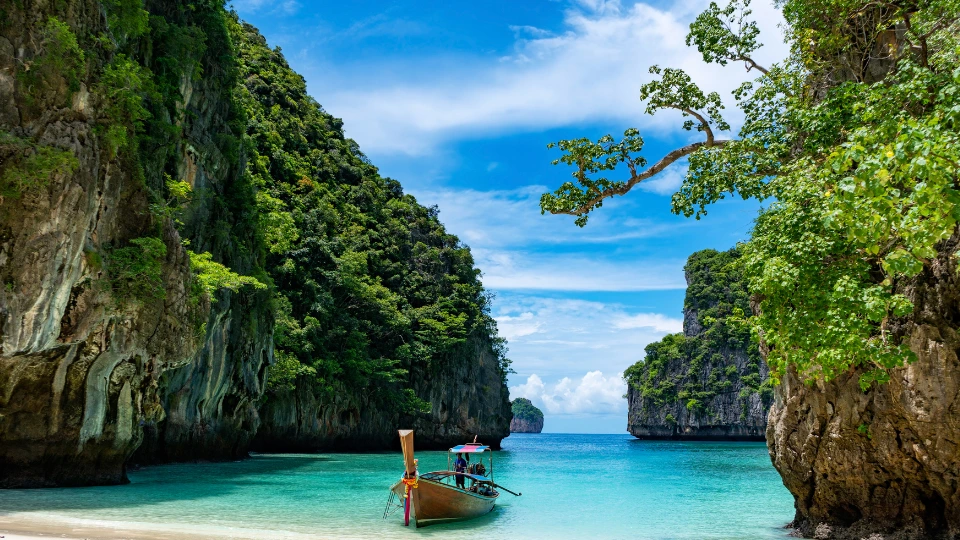
Thailand is a favorite work and travel destination for many reasons! The country, which is also referred to as the “Land of Smiles”, secured first place among the top 3 Southeast Asian destinations with the largest number of international arrivals in the first half of 2023, reaching 12.9 million visitors.

Following the achievement, Thailand won the award for “Best Destination – Asia Pacific” at the Travel Weekly Asia Readers’ Choice Awards 2023, further securing its reputation as Asia’s popular travel destination.

Aerial view of Thailand.Aerial view of Thailand.

Considering such achievements, what exactly makes Thailand the go-to destination for travelers and workers? Here are some of the reasons:

  • Growing economy: Thailand’s economy grew positively through 2023, which is likely to result in increased employment in the country.
  • Ethnic and cultural diversity: With 70 ethnic groups, Thailand is culturally rich, meaning anyone staying in Thailand will experience a unique, unforgettable cultural exchange.
  • Captivating destinations: Thousands of temples, scenic beaches in places like Phuket and Koh Samui, and the bustling city of Thailand’s capital, Bangkok, never fail to attract travelers!
  • Opportunities all over: Being a popular tourist destination has driven the growth of hotels and resorts in Thailand. From Thailand’s national brands like Lebua Hotels & Resorts to international ones such as Marriott Bonvoy, these prestigious hotels and resorts offer work opportunities in the hospitality sector.
  • Low-cost living: Thailand is known for its affordability. Food, clothing, groceries, transportation, and accommodations are all budget-friendly here – all the more reasons why Thailand is a favorite destination for both work and travel!

2. United Arab Emirates

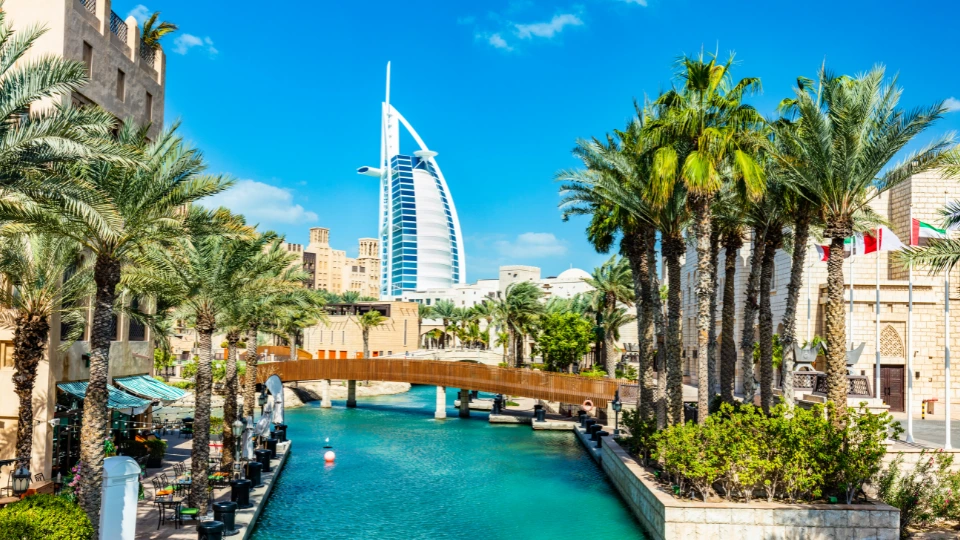
The UAEThe UAE.

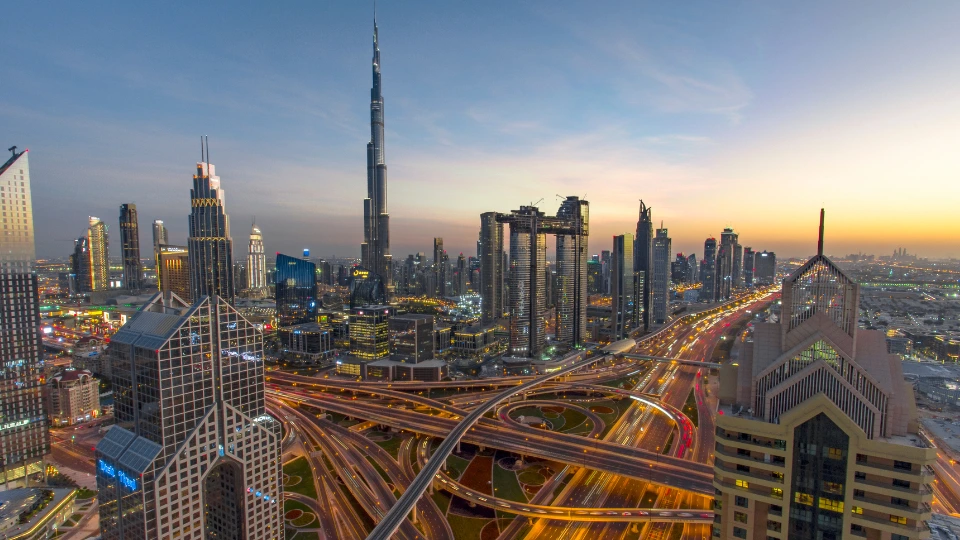
When it comes to destinations suited for a luxury lifestyle, the United Arab Emirates (UAE) stands out as one of the top choices. Located in the western part of Asia, the country is a federation of seven emirates, with Abu Dhabi as its capital and Dubai as the UAE’s largest and most populous city.

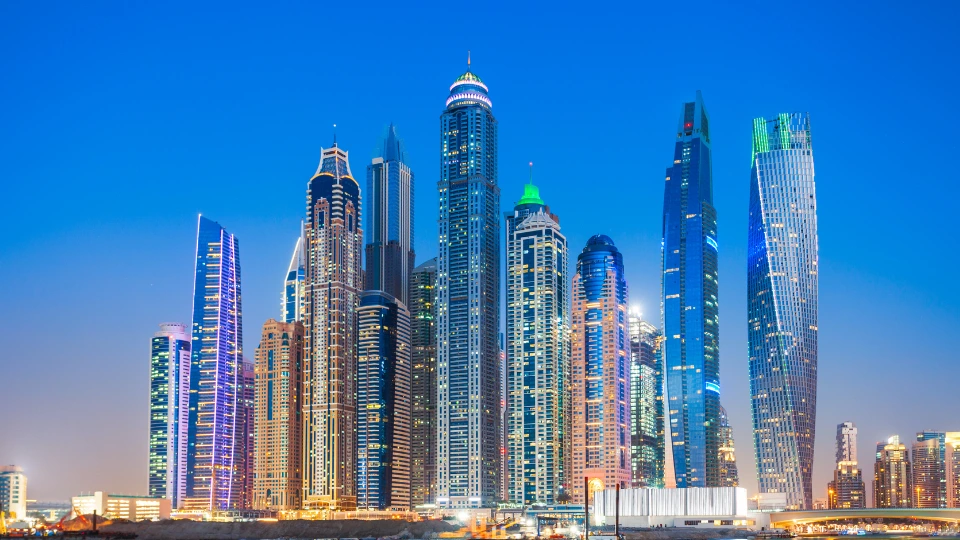
The UAE’s lavish tourist attractions, skyscrapers, and major industrial sectors are just a glimpse of the reasons why the country is a preferred destination for both workers and travelers coming from all around the globe.

Skyscrapers in the UAESkyscrapers in the UAE.

Here are some details explaining why people choose to work and travel in the UAE:

  • Warm hospitality: The Arabic concept of hospitality, known as “Diyafa” is also deeply ingrained in the UAE’s culture. It is a genuine expression of generous and extraordinary treatment that always welcomes travelers from all over the world!
  • Modernity and preservation: Despite how glamorous the UAE sounds, the country maintains a balance between embracing modernity and preserving its heritage, such as seen in the Burj Khalifa which blends innovation and culture.
  • Strategic location: Perfectly situated in West Asia with close proximity to Africa and Europe makes it easy for anyone working or traveling in the UAE to visit holiday destinations like Seychelles and Phuket easily!
  • Job opportunities with lucrative salaries: There are thousands of job opportunities in the UAE open to foreigners. One of the UAE’s industries where foreign workers can earn high salaries is the hospitality industry, with wages starting from AED 8,000.
  • Global exposure: With the diversity of jobs and employees in the UAE, there is no doubt that working in this country will provide someone with global exposure, along with numerous opportunities to gain valuable experience!

3. Vietnam

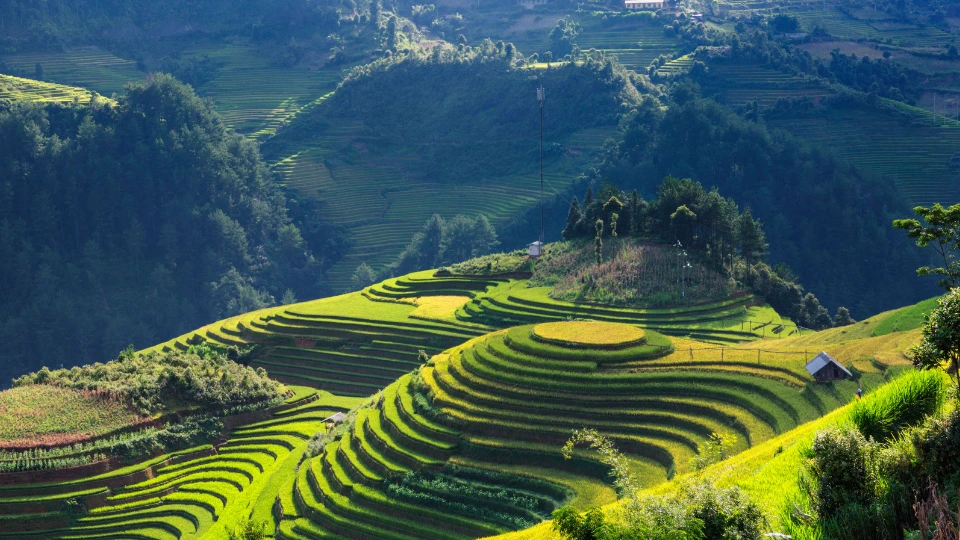
A natural landscape in VietnamA natural landscape in Vietnam.

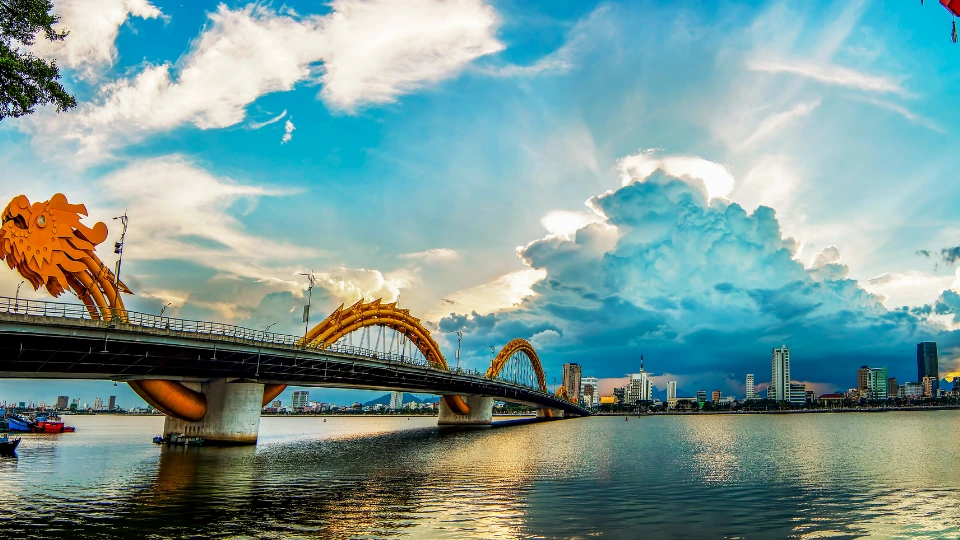
This timeless charming country has become an emerging tourist hotspot. In the first nine months of 2023, Vietnam successfully welcomed 8.9 million international tourists, exceeding its annual target, and it also ranked 19th among the world’s most-visited destinations in summer 2023!

There are several factors contributing to why Vietnam has recently become a favorite among travelers. However, the multicultural country doesn’t just attract tourists; it also draws professionals looking for job opportunities.

Aerial view of Ho Chi Minh City, VietnamAerial view of Ho Chi Minh City, Vietnam.
Some of the reasons why Vietnam is a worthy for work and travel are listed below:

  • Friendly and hospitable people: Vietnamese people are what you would call the embodiment of Asia’s warm hospitality. Whether or not you are familiar with them, the Vietnamese will always welcome you with open arms to their country.
  • Memorable travel experience: This is what every traveler seeks when visiting Vietnam; a memorable travel experience amidst the country’s natural landscapes and fascinating cities. With Vietnam’s diverse collection of natural and urban tourist destinations, anyone will surely have a unique travel experience in the country!
  • Chances to explore further: Vietnam’s strategic location in Southeast Asia makes it a gateway to its neighboring countries and other Asian countries like China and Japan, meaning there’s always an opportunity for you to visit those destinations from Vietnam!
  • Fresh job opportunities and frequent expat communities: As Vietnam steadily sustains impressive economic growth, numerous job opportunities for foreigners are becoming more common, especially for those who can speak English. A prime example is the growth in the tourism industry in Vietnam, which has driven the expansion of hotels and resorts, leading to increased demand for a workforce. Moreover, it’s relatively easy for foreigners to work in Vietnam due to the presence of active expat communities in each city, which can be helpful for foreign workers to network and connect with each other.
  • Affordability: Another ultimate reason is how affordable Vietnam is. Cheap yet tasty food, budget-friendly accommodations, and other cost-effective living essentials are what make Vietnam a new favorite for a work and travel destination.

4. The Maldives

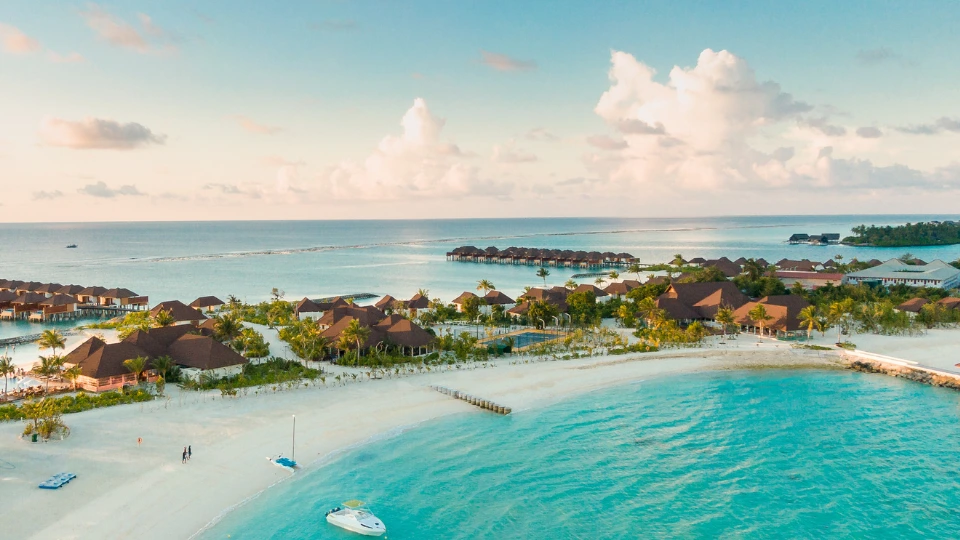
The MaldivesThe Maldives.

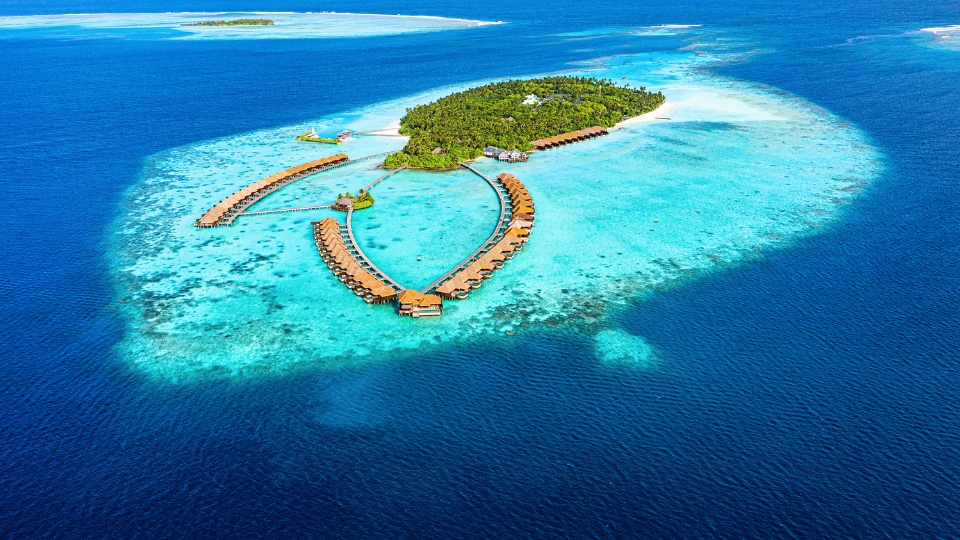
The Maldives is often considered one of the most romantic places in the world, thanks to its tropical paradise comprising a thousand stunning islands spread across a narrow chain of coral atolls, as well as unique cities and pristine beaches teeming with a myriad of marine life!

With such enchanting factors, it’s no wonder that the Maldives is popular among international tourists – especially those who are fans of water adventure. Now, this exotic retreat is also a choice to consider for expats looking for work!

Peaceful work environment in the MaldivesPeaceful work environment in the Maldives.
Here’s why the Maldives is a suitable place for both work and travel:

  • Heartwarming Maldivian hospitality: For a long time, Maldivians have believed that their existence amidst the vast surrounding oceans can only continue through unity and compassion, which they practice in how they treat visitors: with heartfelt and warm welcomes.
  • A breather from a busy life: The tranquility and serenity of the Maldives are what pull anyone from their busy lives to take a break and enjoy the moment!
  • Growth and stability: The Maldives’ reputation as a popular tourist destination has led to the rapid expansion of its hospitality industry. Working in the Maldives’ hospitality industry is the best choice for job seekers, as it provides financial stability and opportunities for career growth.
  • Peaceful work environment: With its tropical beauty, working in the Maldives offers a completely distinct experience. For instance, the work environment is harmonious, providing workers with a sense of peace!
  • Networking and cultural exchange: If you work in the hospitality industry, you will get to meet people of different backgrounds who visit the Maldives for either leisure or business purposes – meaning the opportunity to broaden your network and experience cultural exchanges is right in your hands.

5. Hong Kong

Hong KongHong Kong.

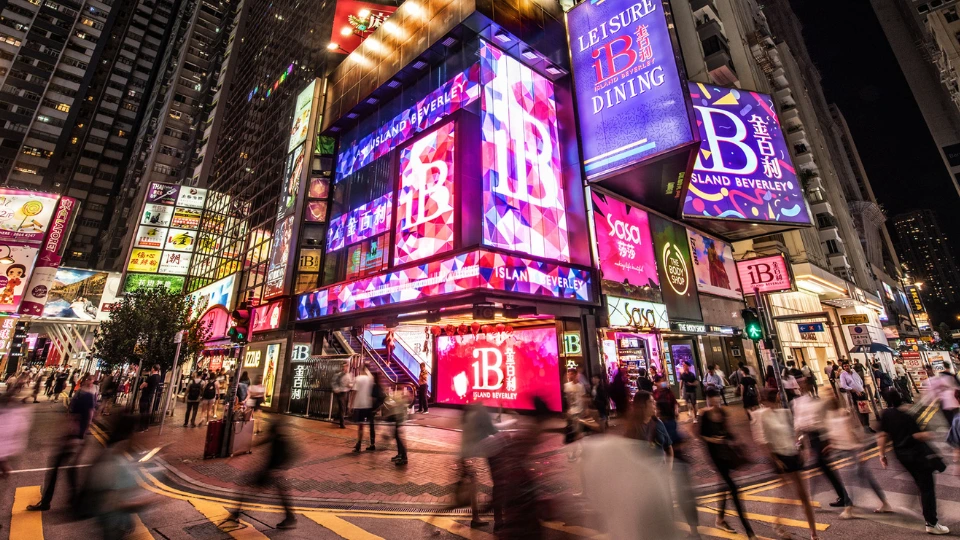
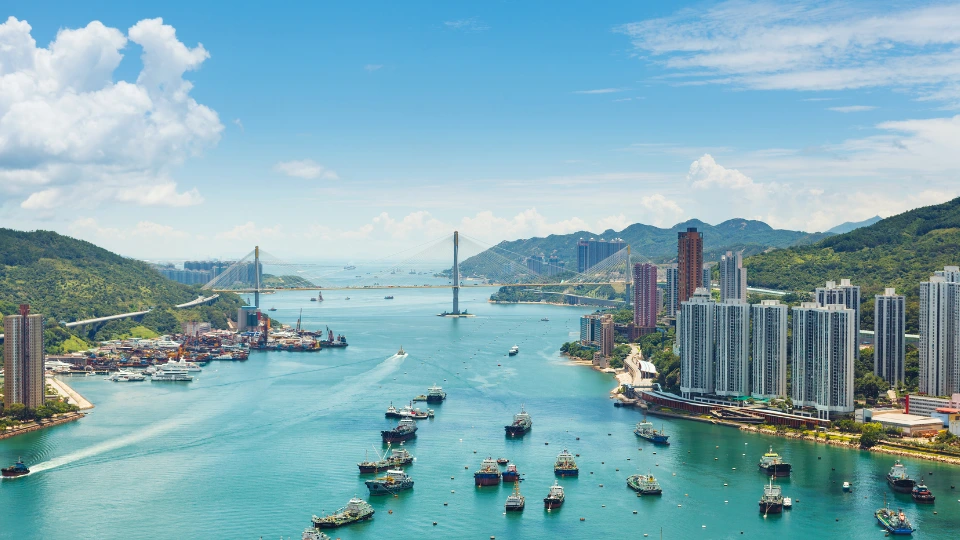
What comes to your mind when you hear about Hong Kong? Is it the collection of iconic skyscrapers? Or maybe the international-scale industries? Either way, this special administrative region in China has always been famous as both a work and travel destination!

Hong Kong's buildingsHong Kong’s buildings.

There are more reasons why Hong Kong is among the people’s choice for career and leisure. So, what exactly are they? Check out the details below:

  • Seamless transportation: The city’s airport, Hong Kong International Airport, offers direct flights to and from many major cities worldwide, making Hong Kong very accessible. Not to mention, Hong Kong boasts one of the world’s best subway systems, placing the city at a top level in terms of transportation.
  • Visa-free visits: Many foreign passport holders can enjoy a 90-day up to 180-day visa-free stay in Hong Kong, all the more reason why tourists love to travel to this city!
  • Multicultural environment: Hong Kong is a city where modernism blends with tradition, and it’s a place where people from different backgrounds come together. This multicultural, heterogeneous environment is undoubtedly a plus point for expats who choose to work and travel here!
  • Thriving industries with plenty of job opportunities: The rapid growth of industries in Hong Kong opens up opportunities for foreigners who wish to work in the city, such as in the hospitality and tourism sector. While a high level of skills is guaranteed to make expats get hired here, having some knowledge of Mandarin or Cantonese can help secure a job as well.
  • High-income potentials: Hong Kong is expected to offer the highest salary increase in the Asia Pacific in 2023, with a forecasted increase of 4.2%. As a result, more professionals are considering Hong Kong as their work destination, attracted by the promise of higher salaries and career growth opportunities. If these are what you are looking for, Hong Kong is surely the ideal place for you!

Wrapping Up

Wherever you come from, Asia will always welcome you with its exceptional hospitality. Asia’s variety of landscapes and attractions, along with its myriad job opportunities, make this vast region your best choice for career and adventure. This is especially true in these five destinations, where you will undoubtedly experience a unique blend of working and traveling!

While you might be wondering what one should do to work and travel in Asia, remember that all roads lead to Rome! Meaning, there are many ways to achieve this, one of them is by joining Cultural Exchange Programs by RMC Asia.

Cultural Exchange Programs are internship and management training opportunities focused on Asia’s hospitality industry. These programs take place in RMC Asia’s partners of prestigious hotels and resorts across the region, ultimately in Thailand, the UAE, the Maldives, Vietnam, and Hong Kong!

Think you’re a good fit? Find your desired positions here and join our successful participants today!

Recommended: The ABCs of Visas: From Application to Visa-Free Destinations in Asia!

Asian Adventures: Top Destinations for Work and Travel! Read More »

The ABCs of Visas: From Application to Visa-Free Destinations in Asia!

The ABCs of Visas: From Application to Visa-Free Destinations in Asia!

Did you know that the origin of travel documents started when Nehemiah, who was in the service of Persian King Artaxerxes I, asked for travel passage to a region in Jerusalem? Ever since then, travel documents have become a mandatory requirement for international travel, eventually leading to the birth of the visa!

With a visa, people can enter a foreign country for various purposes, from traveling, working, and studying, to seeking medical treatment – making a visa an essential tool for anyone who plans to travel abroad.

Today, our article will cover everything you need to know about visas, including their definition, importance, requirements, application procedures, and even a list of Asian destinations that allow visa-free visits – all of which is compiled in this comprehensive guide!

Key Questions to Know about Visas

What is a Visa?

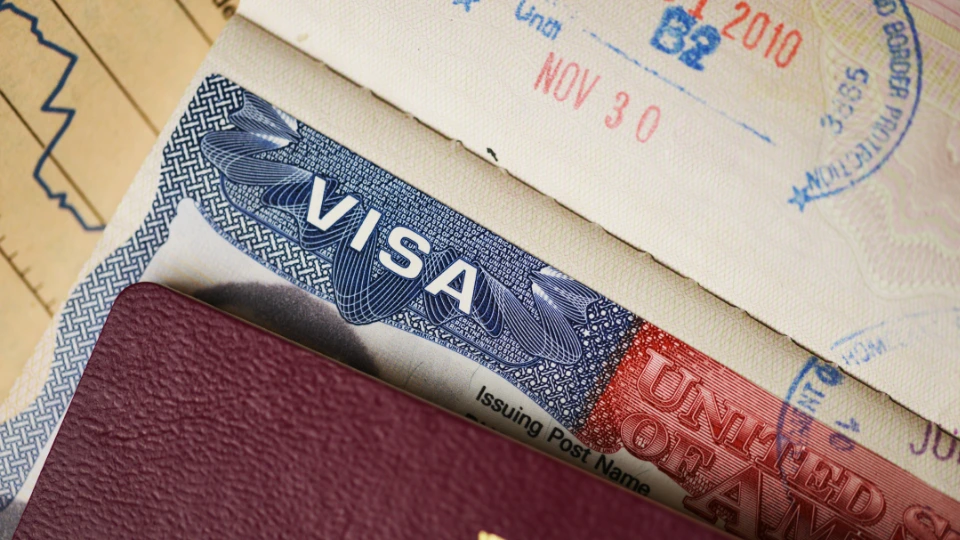
Traditional VisaTraditional visa.

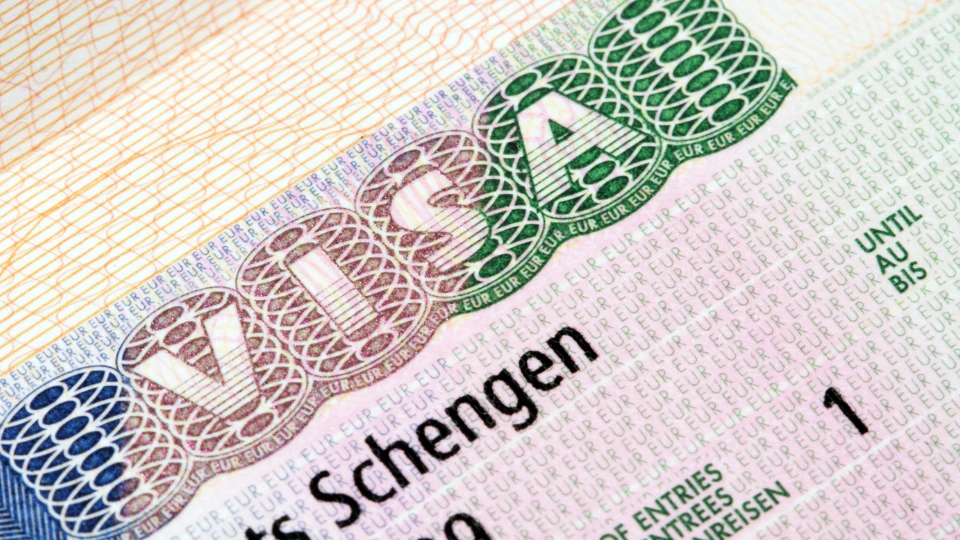
A visa is an official document that grants the holder legal entry into their intended destination and provides them with various rights, depending on the country. It is typically stamped or glued into the passport, but there is also a digital version called an eVisa, which is stored in a database and linked to the passport number instead.

Why Do You Need a Visa?

Traveling abroadTraveling abroad.

Having a visa is necessary if you plan to travel to a country that does not have a visa agreement with your home country. Many countries have visa policies and agreements that allow their citizens to travel freely between each other without requiring a visa.

For example, citizens of Thailand, Vietnam, and other Southeast Asian countries do not need a visa to travel to each other’s countries due to their visa exemption policy. However, their citizens still need visas to visit countries that do not have visa agreements with them.

When Should You Apply for a Visa?

Apply for a visaApply for a visa.

Well, that depends! If you would like to visit a country that doesn’t have a visa agreement with your home country, you will need to apply for a visa before embarking on your travel. A pro tip: check the immigration portal of your home country to see if you need a visa to visit your intended destination.

What are Visa Requirements?

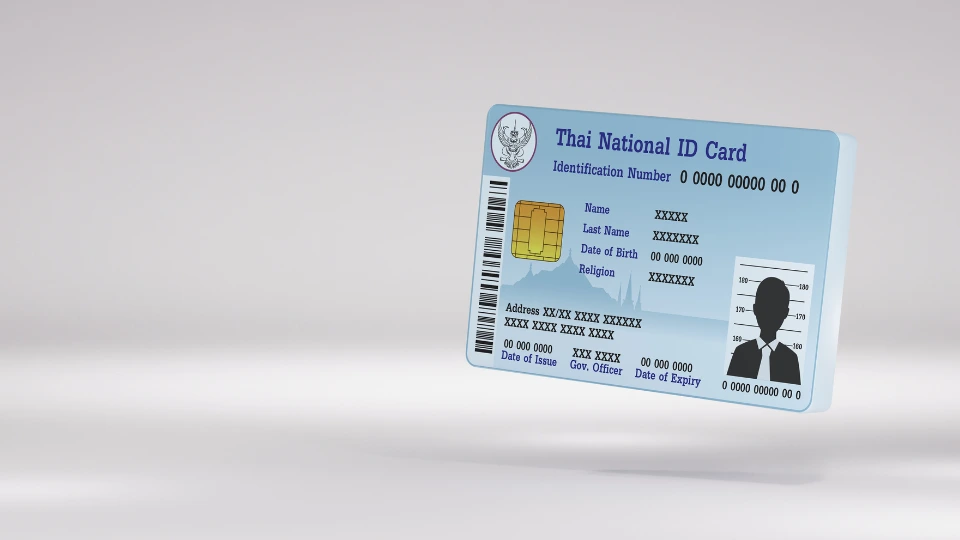
National IDNational ID.

Most countries have their own requirements for each type of visa. Typically, a visa application demands various documents, including a passport with specific validity, a national ID, identification photos, the visa application form, and other supporting documents required by the visa authorities.

Furthermore, particular visa types may need specialized documents, such as a job contract (for work visas) and proof of sufficient travel funds (for tourist visas). Nevertheless, these specific document requirements can differ between countries.

How to Apply for a Visa?

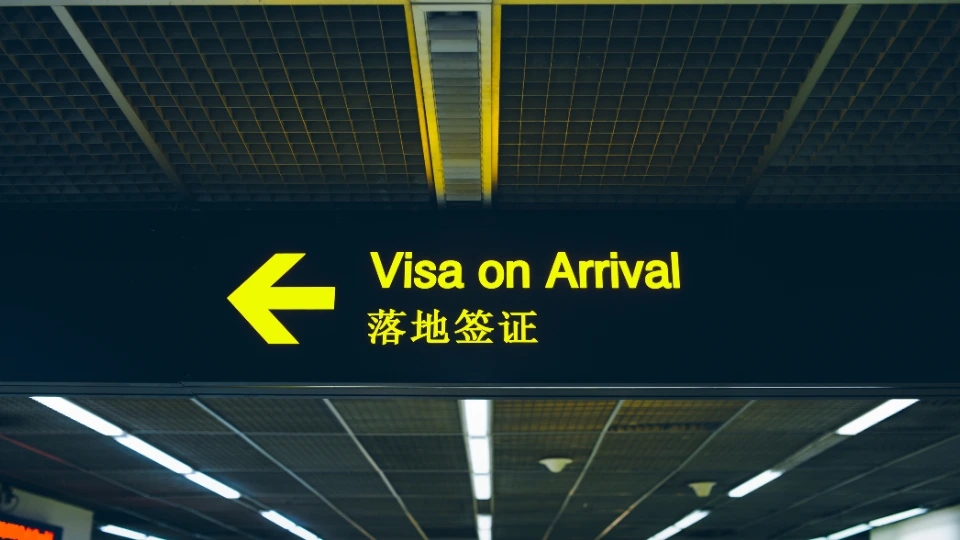
Visa on arrivalVisa on arrival.

The application procedure for a visa depends on your nationality and the destination country. However, the most common ways to apply for a visa are through one of the following methods:

  • Apply at an Embassy: You can apply for a visa at the embassy or consulate of your destination country. This typically involves making an appointment, collecting a set of required documents, paying a visa processing fee, and sometimes, attending a visa interview.
  • Apply Online: An electronic visa (eVisa) is obtained through an online application process. If your destination country issues electronic visas, you can visit the official application website to complete an online visa application form, attach electronic copies of your documents, and proceed to pay the visa fee.
  • Apply at the Country’s Entry Point: Visa applications can also be submitted at the point of entry in your destination country. You will find visa counters at the country’s entry point, where you can apply, pay the fee, and wait for the official’s decision before being allowed to enter. This process is known as visa on arrival (VOA).

What is the Duration and Validity of Visas?

Visa durationVisa duration.

The durations and validities of visas are commonly issued as follows:

  • Short-stay: This type of visa is valid for a period ranging from a few days to several months. Short-stay visas are typically issued for tourists, business travelers, or individuals with short-term purposes, such as seeking medical treatment in a foreign country.
  • Long-stay: A long-stay visa is valid for months to years. In many cases, residence permits are also referred to as long-stay visas.
  • Single-entry: As the name implies, a single-entry visa is valid for entering a specific country or area only once during its period of validity. After you leave, you cannot return, even if you have remaining days. If you wish to revisit the same place, you will need to apply for a new single-entry visa.
  • Multiple-entry: Multiple-entry visas allow the holder to enter a country or an area for multiple times, as long as the visa is valid.

The 5 Common Visa Categories

Every country around the globe has its own visa types for visitors. While there are numerous visa categories, they are generally divided based on their purposes. Here, we have compiled five common visa types for you to become familiar with!

1. Tourist Visa

Tourist visaTourist visa.

The first, and probably the most familiar, type of visa to people is the tourist visa. A tourist visa is a short-term, usually three-month, valid entry permit issued to the holder for recreational and leisure purposes only. Tourist visas do not entitle the bearer to work or engage in any business activities in the host country.

2. Work Visa

Work visaWork visa application.

Do you wish to work abroad? A work visa (work permit) is your solution. This type of visa is intended for foreign workers and is typically issued for long-term durations, ranging from one to four years. However, the specific duration depends on the individual’s work contract. In many cases, a work visa can also serve as a pathway to obtaining a permanent residence permit in the host country!

3. Student Visa

Student visaStudent visa. (via Al Jawaz)

A type of visa issued for educational purposes, the student visa allows the holder to enroll at an educational institution in the host country, usually at the post-secondary level. The student visa is valid for the duration of the holder’s study program, which can last between one and four years. However, the student visa does not permit the bearer to work in the host country unless the latter allows it.

4. Transit Visa

Schengen visa, a transit visaSchengen visa, a visa to transit in Europe.

Sometimes, traveling abroad may require you to transit through a country that is not your final destination. This is where you will need a transit visa. For example, if you are an Indian passport holder traveling to Canada and have a layover in a European country, you will need a Schengen visa to transit. Transit visas are typically issued for 24 to 96 hours, although they can also be issued for 10 to 14 days, depending on the transit country.

5. Business Visa

Business visaBusiness visa. (via Vietnam Visa)

Last but not least, a business visa is a type of visa that allows the holder to enter and engage in business activities in the host country without becoming a part of the country’s labor market. An example of using a business visa is when an individual travels to a foreign country to conduct business with another company. Typically, the holder of a business visa must demonstrate that they are not earning income from the host country.

Top Visa-Free Tourist Destinations in Asia

For avid travelers, Asian countries stand out as top destinations in their book of traveling. Beyond the continent’s rich cultural diversity, stunning natural landscapes, and warm hospitality, another thing that attracts travelers is the visa-free policy for tourists across many Asian countries, each with varying durations. So, if you are planning to travel to Asia, make sure to check its list of top visa-free tourist destinations!

1. Thailand

ThailandThailand.

Known for its ornate temples, sandy white beaches, and modern cityscapes, Thailand is a favorite Southeast Asia destination for tourists due to its visa-free policy. Here is a list of countries eligible for visa exemption in Thailand:

  • Visa-free entry for up to 14 days: Myanmar and Cambodia.
  • Visa-free entry for up to 30 days: A majority of Asian, European, and African countries, Australia, USA, Canada, and more.
  • Visa-free entry for up to 90 days: South Korea, Chile, Brazil, Peru, Argentina.

To see if your nationality is eligible for visa exemption in Thailand, you can visit Thailand’s official immigration website!

2. Vietnam

VietnamVietnam.

An increasingly popular tourist destination with rich culture and mesmerizing nature, Vietnam allows plenty of nationalities to visit the country without a visa for a specific period. See the list below:

  • Visa-free entry up to 14-15 days for Brunei, French, Japan, the United Kingdom, and more;
  • Visa-free entry up to 21-30 days for a majority of Southeast Asian countries;
  • Visa-free entry up to 90 days for Chile.

You can check if your country qualifies for a visa exemption in Vietnam by visiting the country’s official immigration website!

3. The United Arab Emirates

The United Arab EmiratesThe United Arab Emirates.

The United Arab Emirates is home to modern cities, iconic skyscrapers, and a rich cultural heritage that every tourist can experience across its emirates. Visiting the United Arab Emirates is visa-free for citizens of various countries, with some listed in the following list:

  • Entry to the UAE with a passport or ID for GCC countries;
  • Visa-free entry up to 30 days for China, Japan, Macau, and more;
  • Visa-free entry up to 90 days for Maldives, Argentina, Brazil, and more.

For information on your country’s eligibility for a visa exemption in the UAE, visit the official immigration website of the UAE!

4. Indonesia

IndonesiaIndonesia.

A diversity of natural beauty, a rich tapestry of culture, and its warm hospitality make Indonesia one of the favorite tourist destinations in Asia! If you plan to travel to Indonesia, here are some countries that are eligible for visa exemption in Indonesia:

  • Visa-free entry up to 30 days for various countries across Asia, Australia, Europe, Africa, and America.

Check the full list and your country’s eligibility for a visa exemption in Indonesia by visiting the official immigration website of Indonesia!

5. The Maldives

The MaldivesThe Maldives.

Famous for its pristine white-sand beaches, crystal-clear waters, and international luxury resorts, the Maldives is an idyllic tropical paradise that offers a one-of-a-kind tourism experience. Travelers can enter the Maldives visa-free, as listed below:

  • Visa-free entry for all nationalities and countries up to 30 days!

If you want to know other types of visa policies in the Maldives, make sure to visit the official immigration website of the country!

Wrapping Up

In addition to being an essential document for traveling to foreign countries, a visa also serves as a defensive measure, preventing security risks from entering a country. The availability of electronic visas in numerous countries has made traveling abroad much more accessible, and this is particularly beneficial when heading to Asia.

Speaking of traveling to Asia, you can even extend your stay and secure a job in an Asian country, regardless of your nationality. How is this possible? The answer lies in Cultural Exchange Programs by RMC Asia, which offer internships and management training focused on hospitality. These programs take place in top hotels and resorts across Asia’s enticing destinations.

Our programs go beyond providing you with the ideal internship or management training; we also assist you with visas, insurance, and more to ensure a seamless traveling and working experience in Asia.

Does this sound interesting to you? Join our successful participants by applying for your desired internship and management training positions here!

Recommended: Voyaging Around Hong Kong Through the Lens of Popular Media

The ABCs of Visas: From Application to Visa-Free Destinations in Asia! Read More »

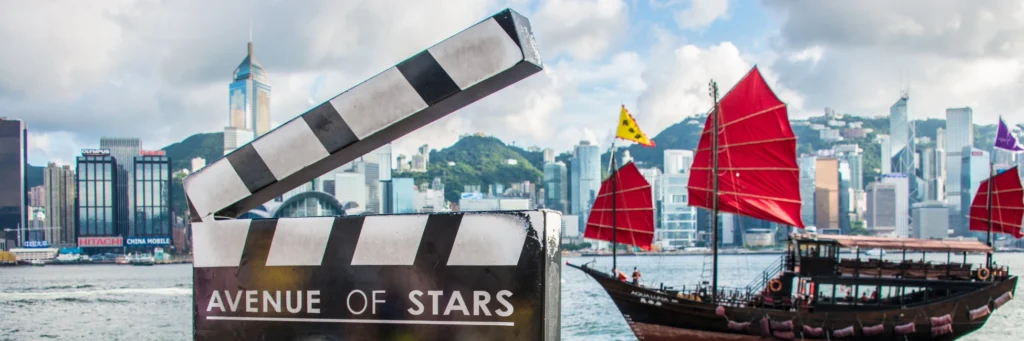
avenue of stars hong kong

Voyaging Around Hong Kong Through the Lens of Popular Media

Aside from being known as a top tourist destination in Asia, Hong Kong also wields significant influence over popular culture and its various media. Whether it’s in movies, books, comics, or music, many of these popular media have featured Hong Kong as inspiration, a foundation, or even a backdrop for their creative works.

Hong Kong’s reputation in pop culture spreads and greatly influences the growth of its hospitality and tourism industry as well, as it’s not uncommon for a significant number of tourists to visit Hong Kong because they have seen the region’s landmarks and attractions in their favorite films, books, and other forms of media.

Our article today will take you to explore Hong Kong’s enticing spots down the route of the illuminating perspective of popular media, as depicted by these blockbuster movies, books, comics, and a sensational music video!

10 Popular Media Works Featuring Hong Kong Spots

Hong Kong is often dubbed the “Hollywood of the East” due to its picture-perfect backdrop that has been featured in various films. However, it’s not just movies; Hong Kong’s spots have also served as the muse for a wide range of creative works, which we will voyage around through these ten popular media!

1. Chungking Express (1994) – Chungking Mansions

Chungking ExpressAn iconic scene in Chungking Express. (via Variety)
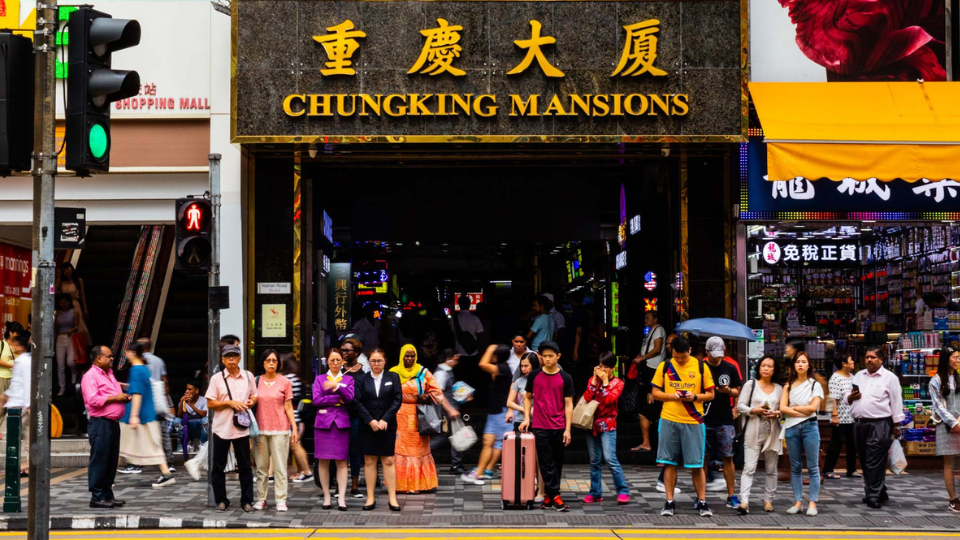
Directed by Wong Kar-wai, Chungking Express tells a story about chronicling love, longing, and loneliness. This movie, which has attained cult classic status since its release, was filmed in various locations throughout Hong Kong. Among them, the most prominent is Chungking Mansions, from which the film derives its title.

Chungking MansionsChungking Mansions. (via Cathay)

Once known as Hong Kong’s most infamous building, the current Chungking Mansions is a place where you can encounter a striking diversity of locals, backpackers, food stalls, and independent shops run by vendors from all over the world!

2. Fragrant Harbour (2002) – Cheng Chau Island

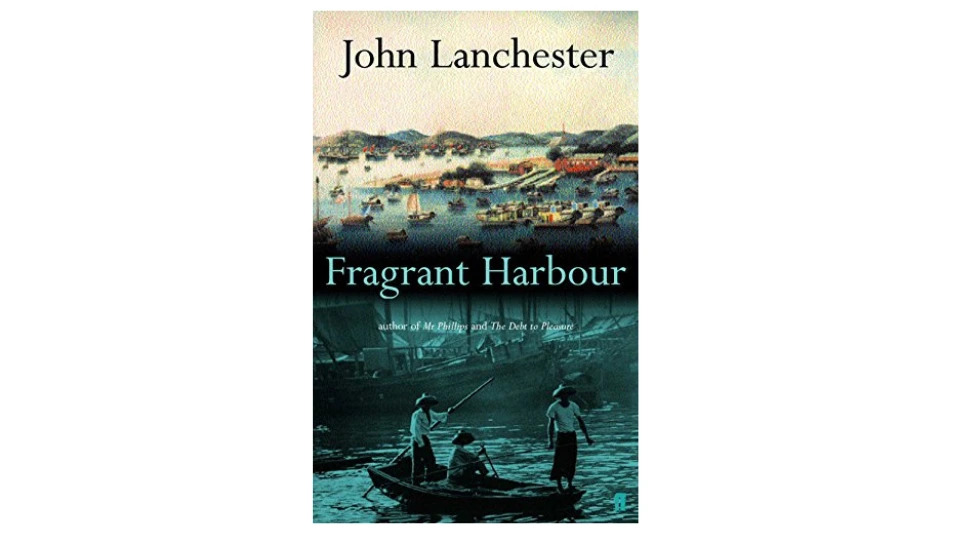
Fragrant Harbour by John LanchesterFragrant Harbour by John Lanchester. (via The Book Grocer)
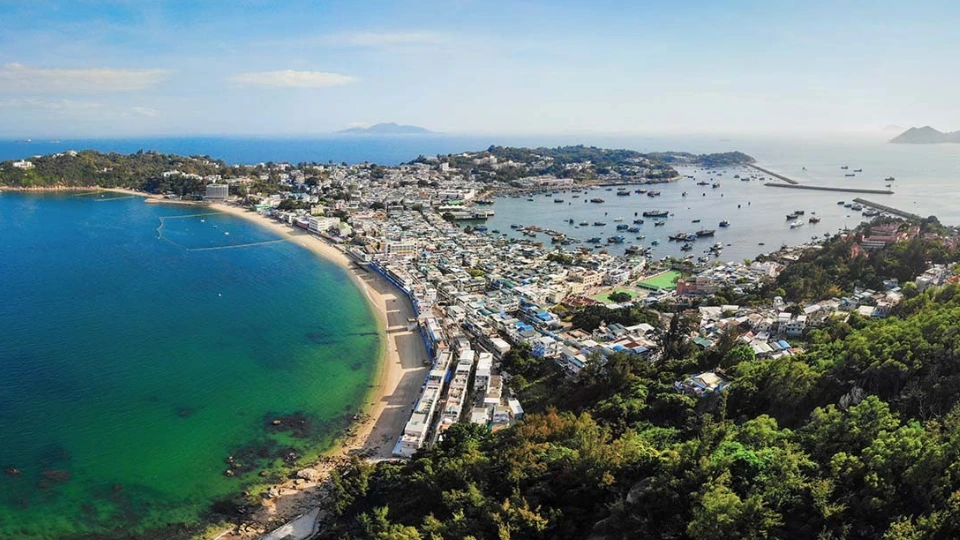
This book, written by John Lanchester, is set in the 1930s and follows the tale of an adventurous young Englishman who sails to Hong Kong to seek his fortune. Fragrant Harbour captures the transformation of Hong Kong and showcases the region’s famous places, including Cheung Chau Island, which is explicitly mentioned in one of its passages.

Cheng Chau IslandCheng Chau Island. (via Hong Kong Tourism Board)

Cheung Chau is a small, dumbbell-shaped island known for its sandy beaches and scenic hiking trails, which appeal to those seeking an escape from bustling city life. In recent years, many contemporary and Instagram-worthy cafes have emerged on Cheung Chau, coexisting in harmony with the island’s timeless charm, notably the 18th-century Pak Tai Temple.

3. Kowloon Generic Romance (2019) – Old Kowloon Walled City

Kowloon Generic RomanceKowloon Generic Romance by Jun Mayuzuki. (via zerochan)

Kowloon Generic Romance is a Japanese manga series written and illustrated by Jun Mayuzuki. It is an adult romance story between a working man and woman set in the dystopian Kowloon Walled City, where the past, present, and future converge.

Old Kowloon Walled City and Kowloon Walled City ParkOld Kowloon Walled City (left) and Kowloon Walled City Park (right).

The setting in this manga series is based on the real, old Kowloon Walled City, which was once home to 350 tightly packed buildings and more than 30,000 residents, making it the most densely populated area in the world. Kowloon Walled City was eventually demolished in 1993, and in its place now sits Kowloon Walled City Park, a beautiful garden showcasing preserved artifacts from the former Kowloon Walled City.

4. Fallen Angels (1995) – Lan Kwai Fong

Takeshi Kaneshiro in Fallen AngelsTakeshi Kaneshiro in Fallen Angels. (via IMDb)
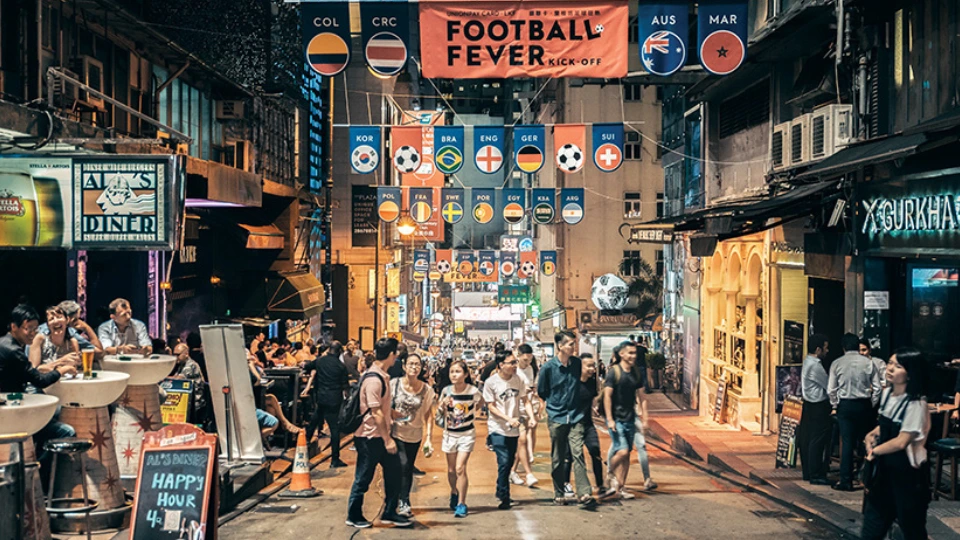
Another classic by Wong Kar-wai, Fallen Angels is a crime drama movie that follows the life of a hitman who wants to quit the dirty business. Just like its predecessor, Chungking Express, Fallen Angels was shot in numerous locations across Hong Kong, with one of its most notable locations being Lan Kwai Fong.

Lan Kwai FongLan Kwai Fong. (via MEHK)

Known as one of the main entertainment districts in Hong Kong, Lan Kwai Fong is home to restaurants, bars, clubs, and many art galleries showcasing their works at the entrance. The area is a popular nightlife destination for visitors and regularly hosts events like New Year’s Eve, Halloween, and many more, drawing large numbers of people to gather and celebrate!

5. White Ghost Girls (2006) – Victoria Harbour

White Ghost Girls by Alice GreenwayWhite Ghost Girls by Alice Greenway. (via Decitre)
Set in the summer of 1967 in Hong Kong, White Ghost Girls is Alice Greenway’s literary debut, telling the tale of sacrifice and solidarity. It centers around two American sisters living in a foreign land during a chaotic time.

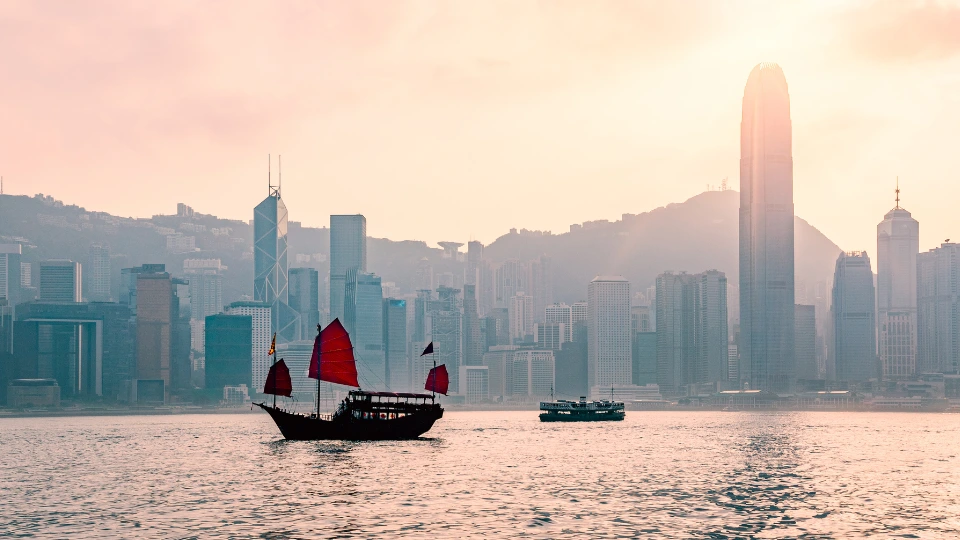
Victoria HarbourVictoria Harbour.

One of the most remarkable places featured in this book is Victoria Harbour, a top tourist attraction in Hong Kong. Here, visitors can stroll along the promenade, admire iconic skyscrapers, ride the Star Ferry, or enjoy the spectacular view of Hong Kong’s skyline from the top of Victoria Peak!

6. Ghost in the Shell (2017) – Lai Tak Tsuen

Scarlet Johansson in Ghost in the ShellScarlet Johansson in Ghost in the Shell. (via IMDb)
The 2017 movie is a live-action adaptation of a Japanese manga series of the same name, written and illustrated by Masamune Shirow. Starring Scarlett Johansson as Major Mira, the main character, Ghost in the Shell tells the story of Major Mira, who was rescued from a disaster and saved by having her mind placed into a completely artificial body.

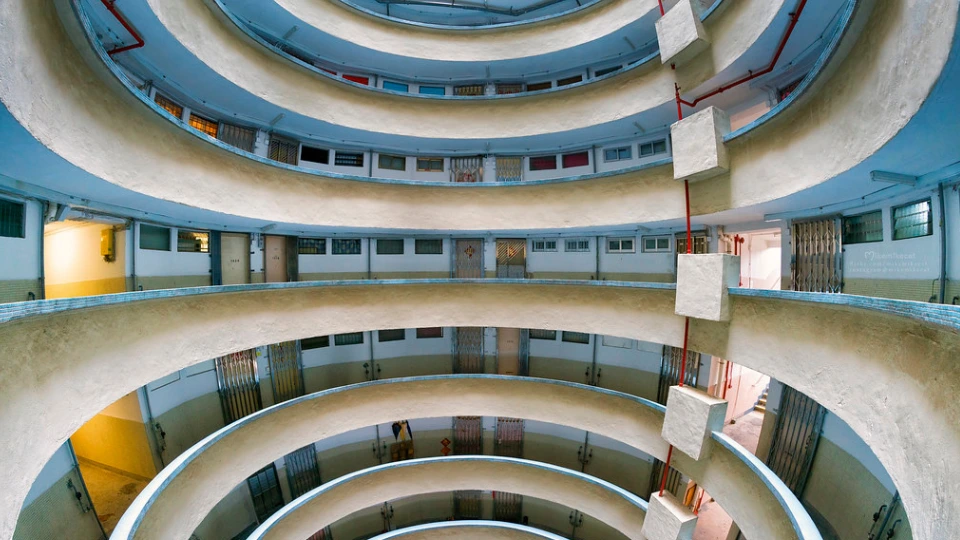
Lai Tak TsuenLai Tak Tsuen. (via Flickr)

As a cyberpunk-themed film, it features numerous futuristic scenes, some of which were shot in Lai Tak Tsuen, Hong Kong. Lai Tak Tsuen is a public housing estate known for its unique cylindrical architecture, making it a must-see for architecture enthusiasts! Moreover, you can also enjoy a tantalizing view of Victoria Harbour from this location.

7. GOT7’s “You Are” Music Video (2017) – Hong Kong Cultural Centre

"You Are" Music Video by GOT7“You Are” Music Video by GOT7. (via Billboard)

In 2017, the popular K-pop group GOT7 filmed their music video for “You Are” in Hong Kong. The music video takes advantage of the geometric architecture of Hong Kong, showcasing the presence of symmetry amid the city’s sprawling layout.

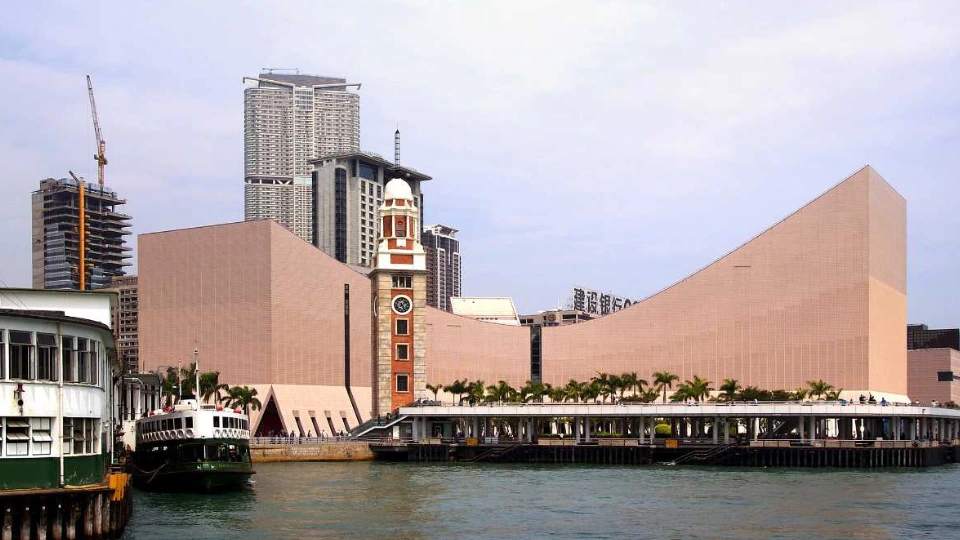
Hong Kong Cultural CentreHong Kong Cultural Centre. (via Holidify)

One of the notable locations in the music video is the Hong Kong Cultural Centre, a multi-purpose performance venue in Tsim Sha Tsui. It boasts a range of state-of-the-art facilities, from a concert hall to a grand theater and exhibition gallery, which have hosted numerous cultural performances.

8. Rush Hour 2 (2001) – Causeway Bay

Rush Hour 2 posterRush Hour 2 poster. (via Medium)

Starring Jackie Chan and Chris Tucker, Rush Hour 2 is the action comedy sequel to Rush Hour that follows Lee (Jackie Chan) and Carter (Chris Tucker), a pair of police officers who go to Hong Kong for vacation. However, their holiday soon turns into chaos as both become embroiled in a counterfeit money scam.

Causeway BayCauseway Bay. (via Hong Kong Tourism Board)

A large part of the movie was shot in Hong Kong, and one of its iconic scenes was filmed in Causeway Bay. This district is a paradise for shopaholics and home to a plethora of tourist landmarks! In Causeway Bay, you can stroll around Victoria Park, dine and shop at Times Square Hong Kong, or, if you need a break from Hong Kong’s bustling streets, give yourself a peaceful visit to the Tin Hau Temple.

9. Rouge (1987) – Hollywood Road

A scene in RougeA scene in Rouge. (via The Criterion Collection)

Rouge is a supernatural romantic-drama story about a ghostly woman searching for her lost lover. She has waited in the afterlife for 53 years, believing her lover to be lost. The movie was directed by Stanley Kwan and stars Anita Mui and Leslie Cheung. Some of the scenes were shot on Hollywood Road, which is the second-oldest street in Hong Kong.

Hollywood RoadHollywood Road. (via Flickr)

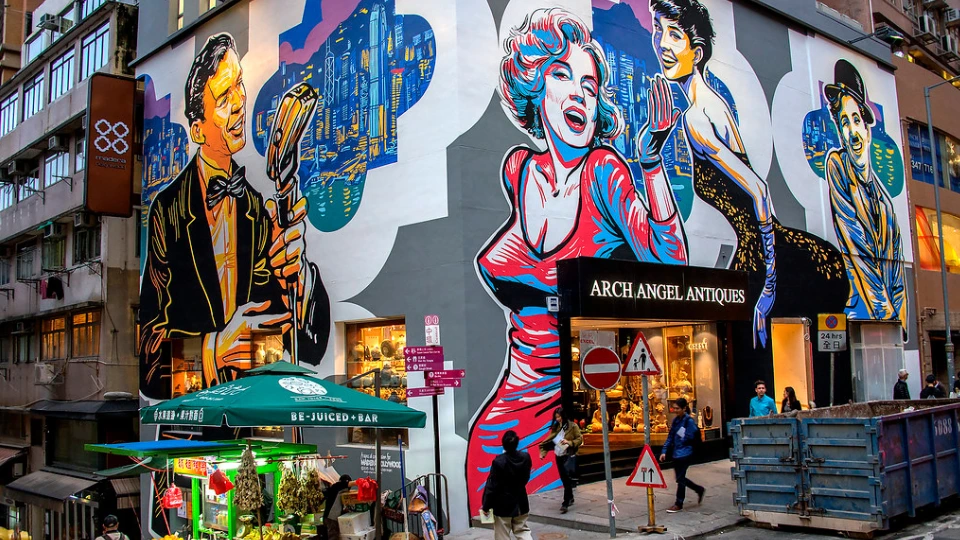
Hollywood Road has always been a hub for collectibles, antiques, and artworks, making it a must-visit for history fanatics and art lovers. When you visit, be sure to embark on a tour of Hollywood Road across Central and Sheung Wan, where you’ll see a mesmerizing array of heritage buildings, street art, and stylish art galleries!

10. Love in a Fallen City (1943) – Wan Chai

Love in a Fallen City by Eileen ChangLove in a Fallen City by Eileen Chang. (via goodreads)

The first English collection of Eileen Chang’s works, Love in a Fallen City, was originally published in China during the 1940s. It comprises four novellas with illuminating and melancholic narratives of love and longing.

Wan ChaiWan Chai. (via tripsavvy)

Some parts of these novellas are set in Wan Chai, which has since transformed into a bustling neighborhood known for its intriguing architecture, hidden shops, cultural attractions, and, most notably, its top restaurants offering a diverse world of cuisine. Wan Chai boasts a range of Asian restaurants, including classic Cantonese, Taiwanese, Vietnamese, Thai, and even Korean dishes. If you prefer Western cuisine, you’ll find plenty of options here as well!

Wrapping Up

What a fun way to explore Hong Kong! With its bustling city, diverse culture, rich history, and enticing landmarks, Hong Kong has become an inspiration behind numerous creative works — which also attracted tourists from around the world.

While touring Hong Kong through the perspective of popular media is unique and entertaining, another exciting and even beneficial alternative to exploring the City of Lights can be found with RMC Asia’s Cultural Exchange Programs here!

Cultural Exchange Programs are our hands-on internship and management training programs focused on the hospitality and tourism industry, offering various positions to choose from, taking place in international hotels and resorts across Asia’s alluring destinations.

You can expect more than professional development from our Cultural Exchange Programs. Our programs serve as your pathway to enter the international job market, becoming a valuable industry asset, experiencing unforgettable cultural exchanges, and immersing yourself in the appeal of program destinations!

Start your journey with us! Find the opportunities that suit you and join our successful participants now.

Recommended: Hong Kong 2023 Go-To Travel Guide

Voyaging Around Hong Kong Through the Lens of Popular Media Read More »

Scroll to Top
Our new website is now live
Go ahead and check it out!

This website uses cookies to ensure you get the best experience on our website. Learn more about our privacy policy.