Ever wonder what happens when you step out of your comfort zone and take a chance on something completely new?
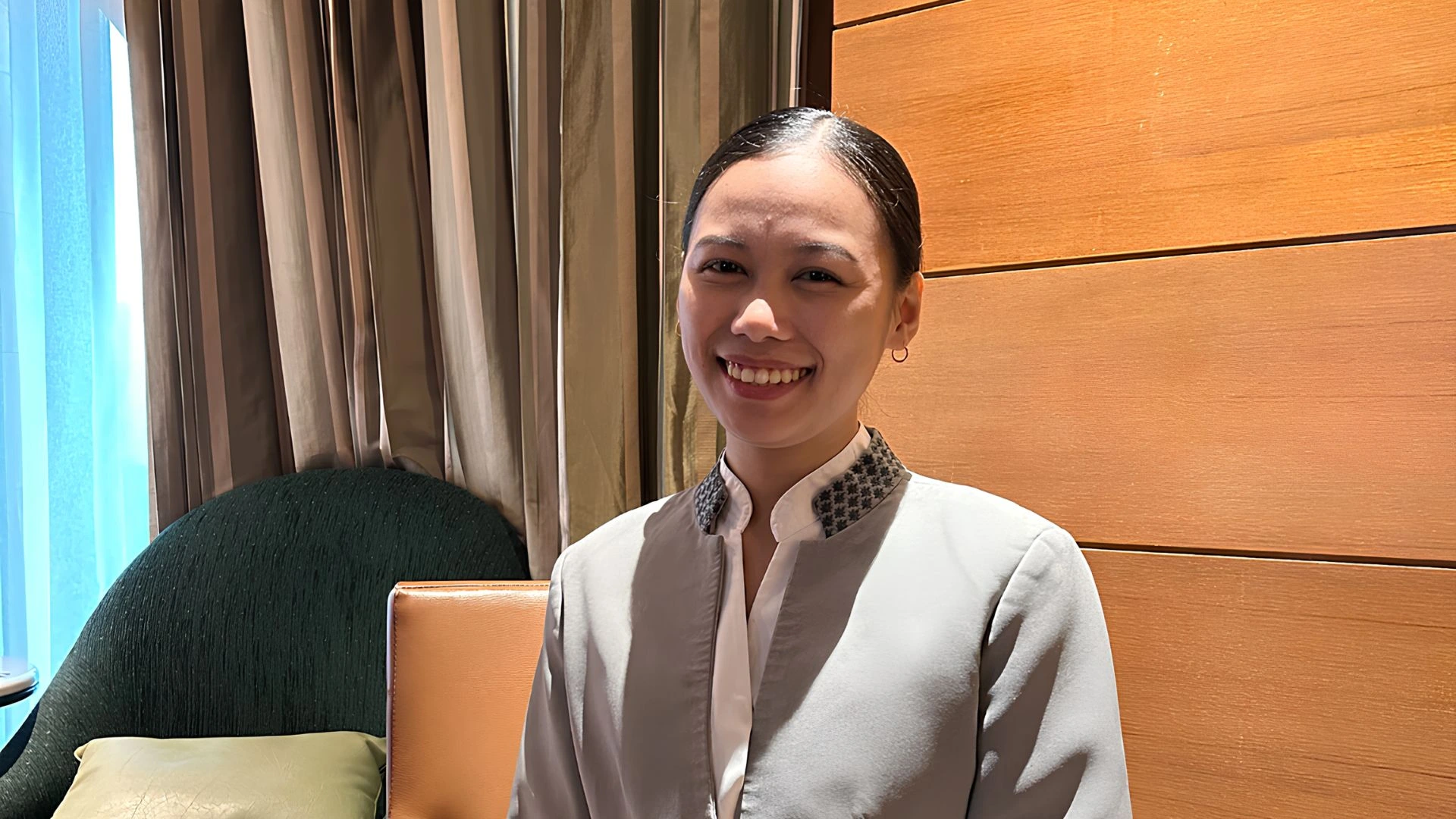
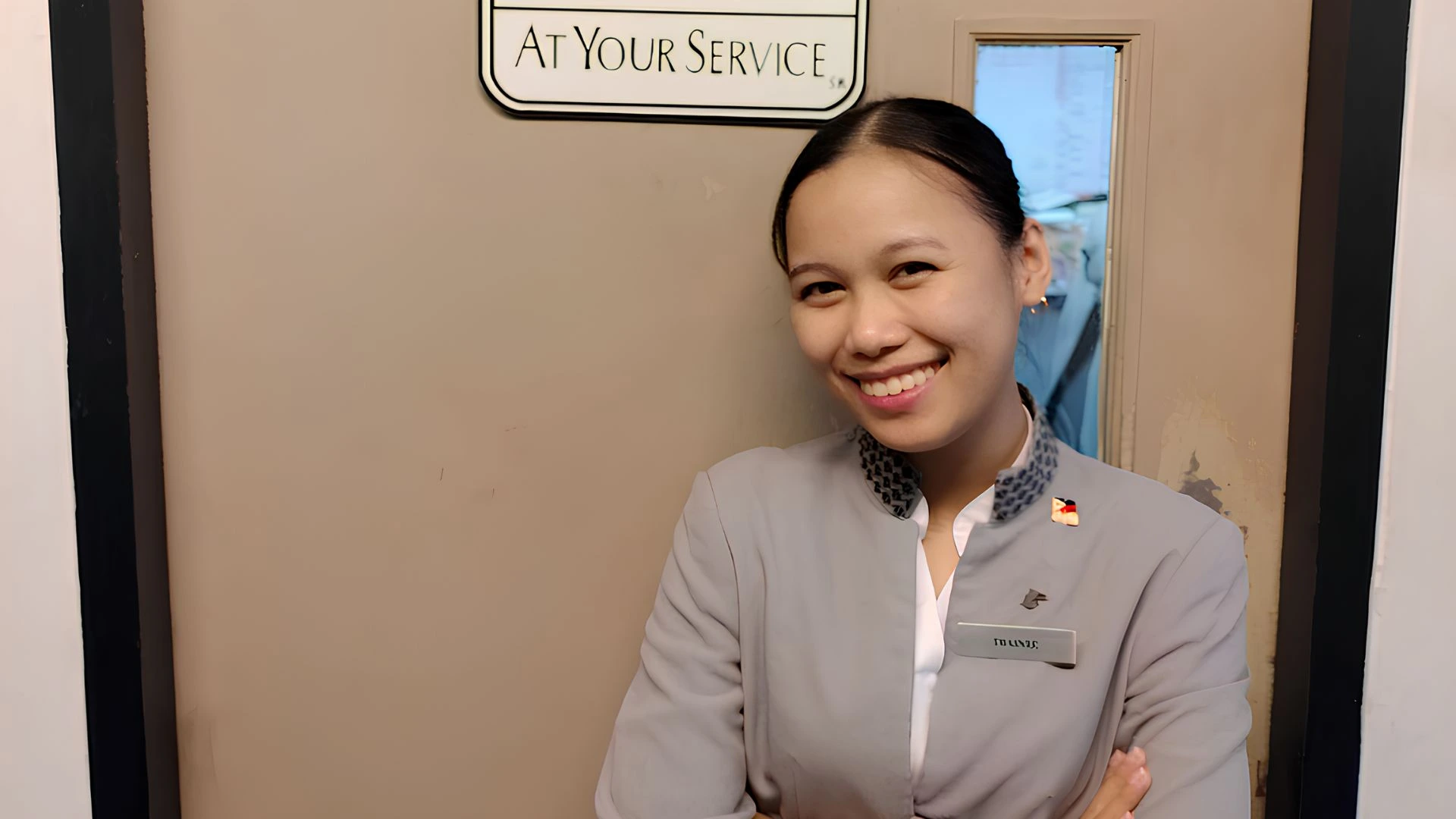
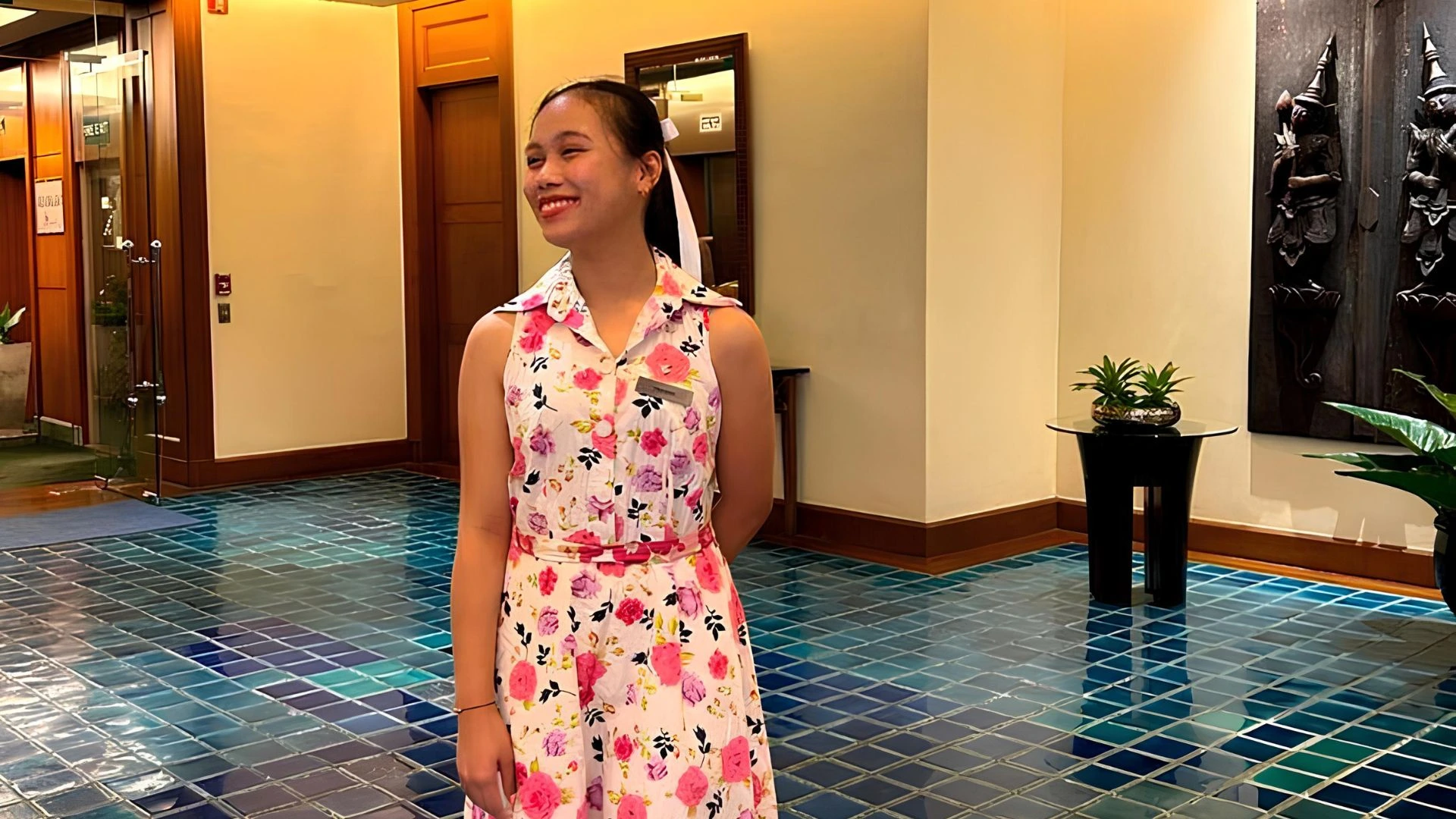
That’s exactly what Danielle did when she joined a hospitality internship program in Thailand, flying from the Philippines to the heart of Bangkok. As a hospitality student passionate about the kitchen, she didn’t expect to find herself working at the front office of a 5-star hotel—but that unexpected twist became the start of a life-changing journey.
🌍 A New City, A New Role, and A Whole Lot of Learning
Arriving in Bangkok felt like stepping into a different world—one filled with buzzing streets, golden temples, and an entirely new work environment. Danielle was placed at JW Marriott Bangkok, where she began her front office internship with little experience but a lot of curiosity.
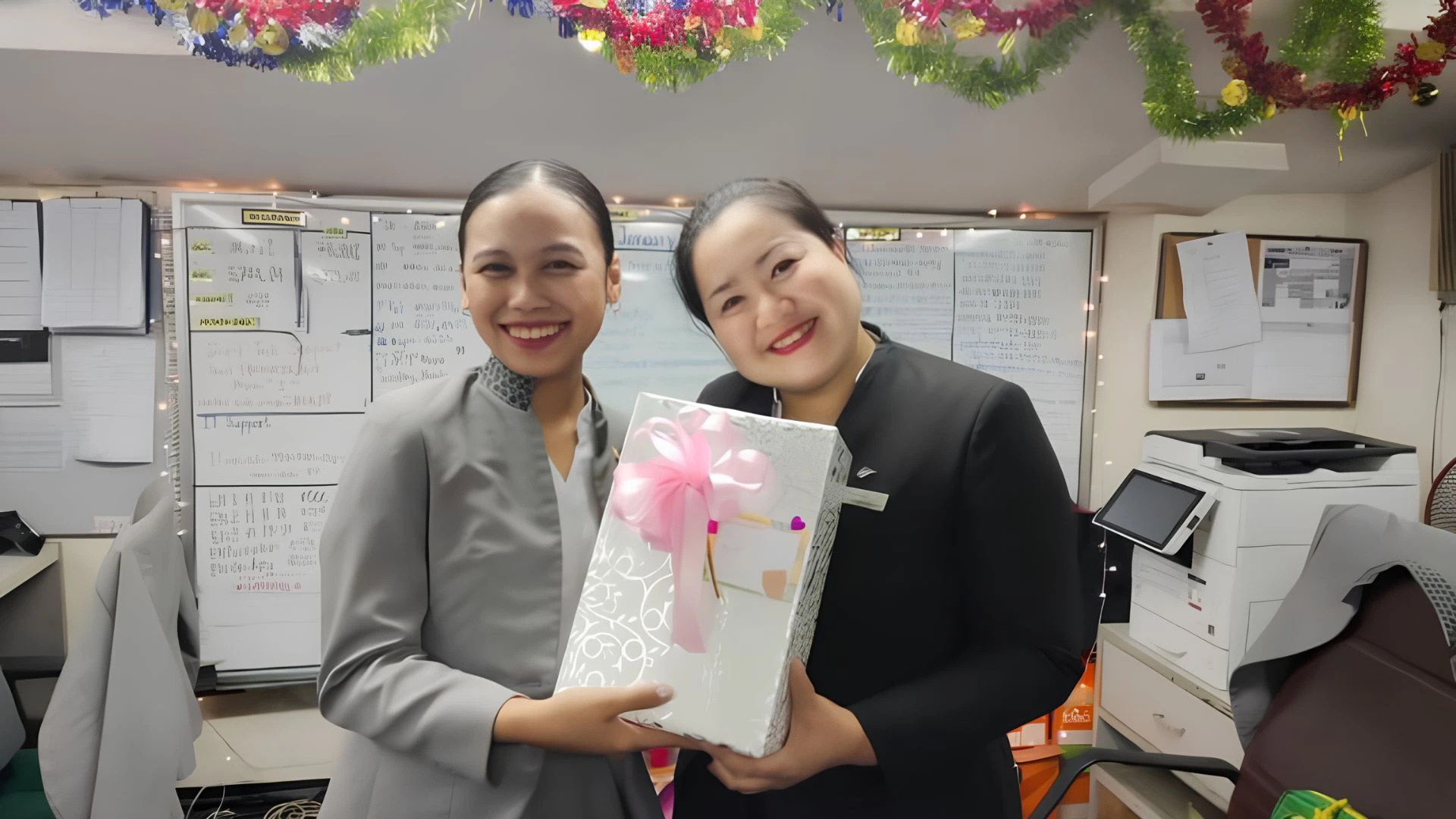
At first, the fast pace of the hotel industry was a bit overwhelming. Managing guest check-ins, assisting with bookings, handling payments—each day brought something new to figure out. But that’s the thing about real-world experience: you don’t need to be perfect, you just need to be open to learning.
And Danielle did exactly that. Over time, she grew more confident in her role, learned how to handle tricky situations with professionalism, and developed hospitality skills that can’t be taught in classrooms.
🌟 Real Connections, Real Growth
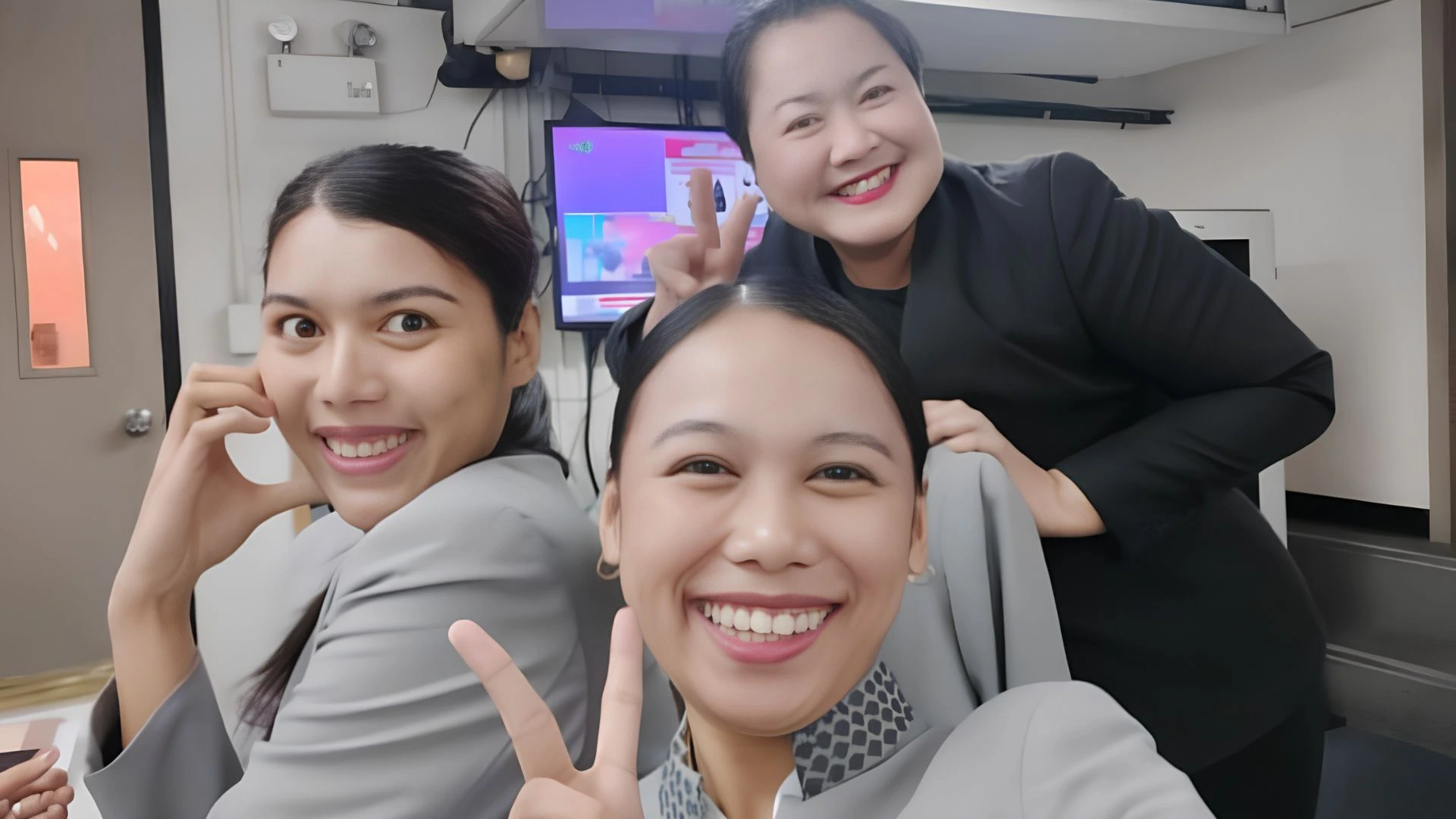
One of the best parts of her international internship in hospitality wasn’t just the job—it was the people. Danielle worked alongside a diverse team of interns from more than 10 countries, creating strong friendships through shared shifts, cultural exchanges, and even weekend food hunts around the city.
Together, they explored Bangkok’s vibrant neighborhoods, tried local dishes, and picked up bits of Thai language and etiquette along the way. Beyond the hotel lobby, Danielle was soaking up a global perspective, one conversation at a time.
💼 From Intern to Industry-Ready
By the end of her 6-month hospitality training in Asia, Danielle had not only sharpened her professional skills—she had completely redefined what she wanted from her future career. The front office, once unfamiliar and intimidating, had become a place where she could thrive.
This experience helped her grow in ways she never expected. She gained confidence, independence, and a deeper understanding of what it really means to work in hospitality. And most importantly, she proved to herself that she was capable of so much more than she imagined.
✈️ Thinking About Your Own Hospitality Internship Abroad?
If you’re a student considering a hospitality internship in Asia, Danielle’s journey is your reminder that the best experiences often come from trying something new—even if it doesn’t look exactly like the plan you had in mind.
So ask yourself, would you try a new department just to grow? Can you see yourself thriving in a fast-paced hotel in Thailand, the UAE, or the Maldives? If your answer is even maybe, it might be time to take the leap.
🔗 Start Your Journey with RMC Asia
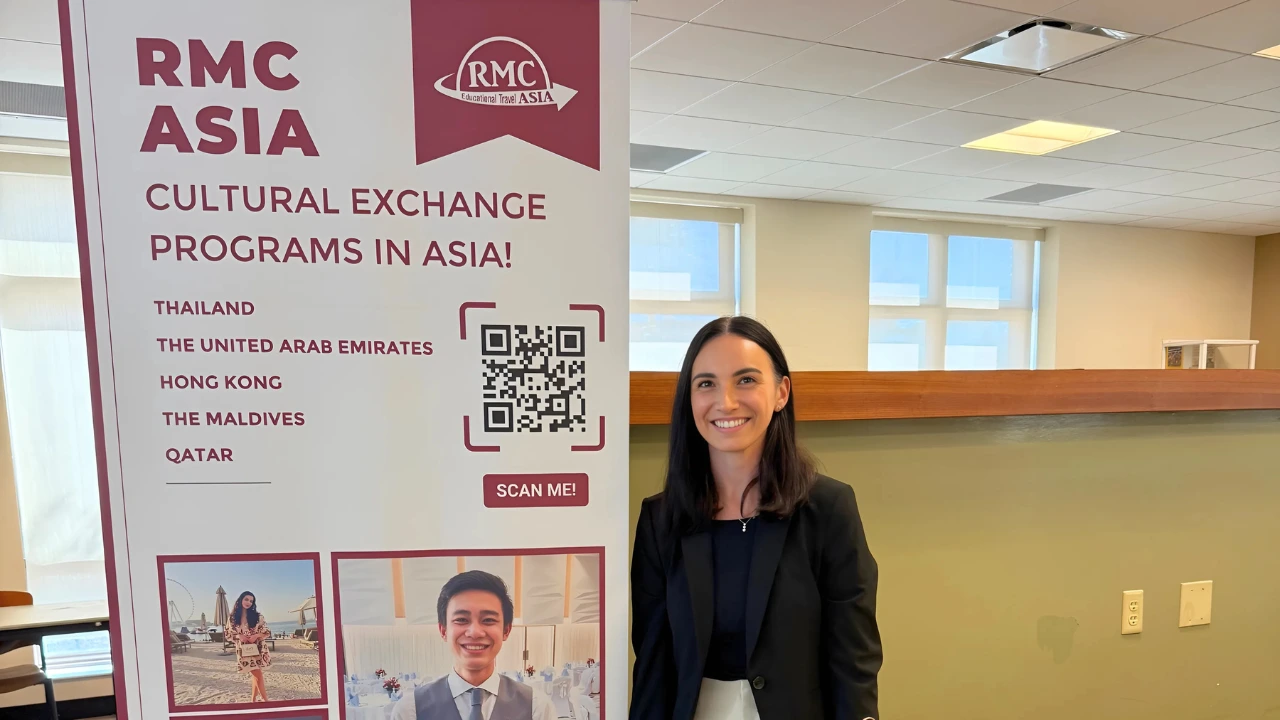
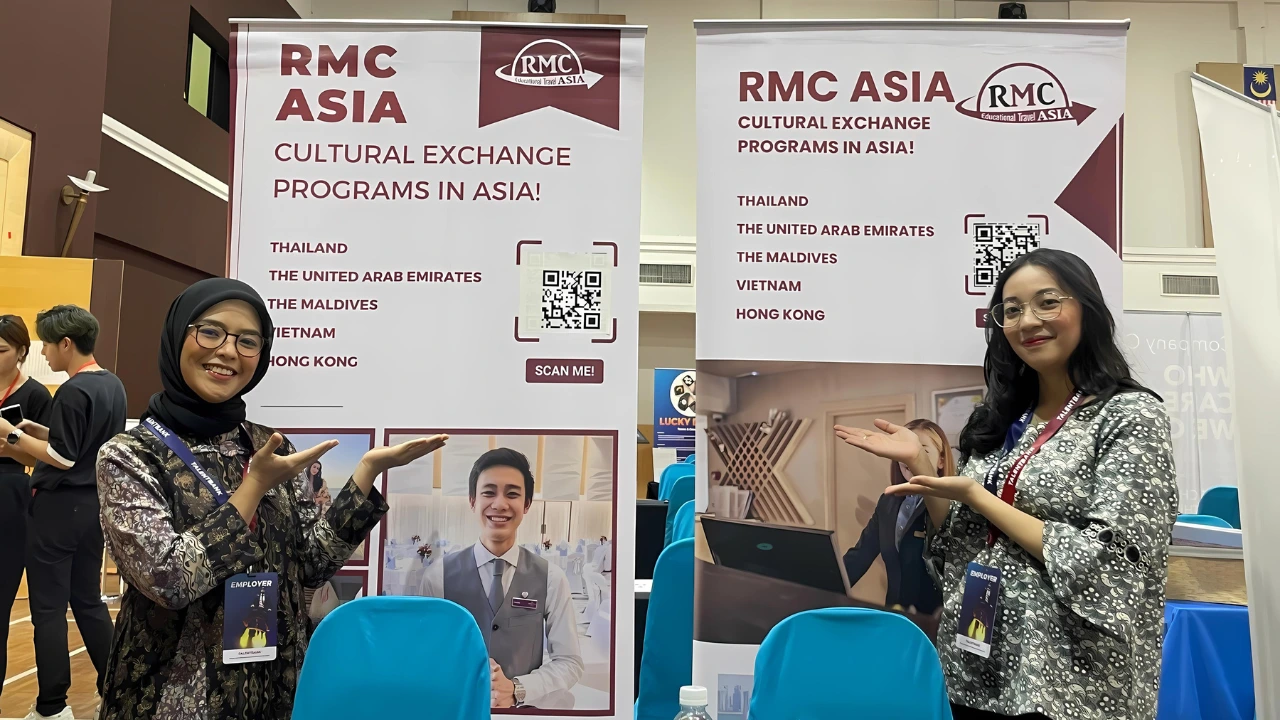
RMC Asia offers international internship programs that connect students with 5-star hotels and resorts across Thailand, the UAE, Qatar, the Maldives, and more.
✅ Year-round placements ✅ Personal career support ✅ Real hospitality experience in luxury settings ✅ Cultural exchange, confidence boost, and global networking
Would you take a chance on a role outside your comfort zone like Danielle did? If the answer is yes, then we can’t wait to help you get started! Save your spot and apply today!
"Every day brings new challenges, but with patience, support, and a smile, I’ve learned to thrive in hospitality. Thanks to RMC Asia’s guidance and seamless process, I’ve gained invaluable skills—from handling guests worldwide to mastering critical problem-solving techniques. This experience has truly shaped my professional journey!"
Danielle Stephanie A Olvido
Front Office Department at JW Marriott Bangkok Hotel
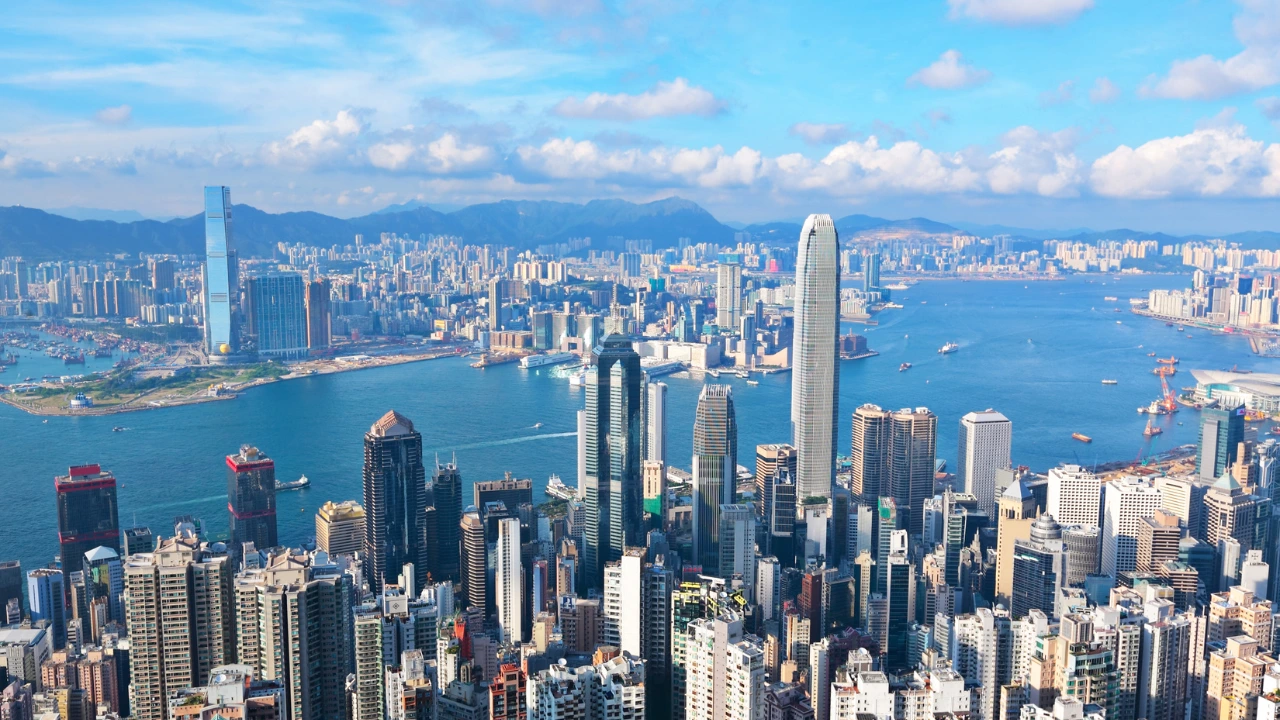
So, you’re thinking about working in Hong Kong? Or maybe you’ve already packed your bags and are just waiting for your adventure to start. Either way, get ready—because this city is about to steal your heart. From its dazzling skyline to mouthwatering eats, Hong Kong is a place that blends fast-paced city life with deep-rooted traditions. And when you add in the chance to gain top-tier hospitality experience? It’s a dream come true.
Over the years, we’ve helped countless talents like you kickstart their global careers in this dynamic city. And trust us—once you experience life here, you’ll understand why people keep coming back.
Here are five things that will make you fall head over heels for working in Hong Kong:
The City That Never Sleeps (But You’ll Love Every Second of It)
New York might be the “city that never sleeps,” but Hong Kong gives it a run for its money. Whether you’re working in a luxury hotel, a fine dining restaurant, or a chic rooftop bar, you’ll experience the city’s energy up close. The hospitality scene here is world-class, with high standards and an international crowd—meaning you’ll be leveling up your skills in one of the best environments possible.
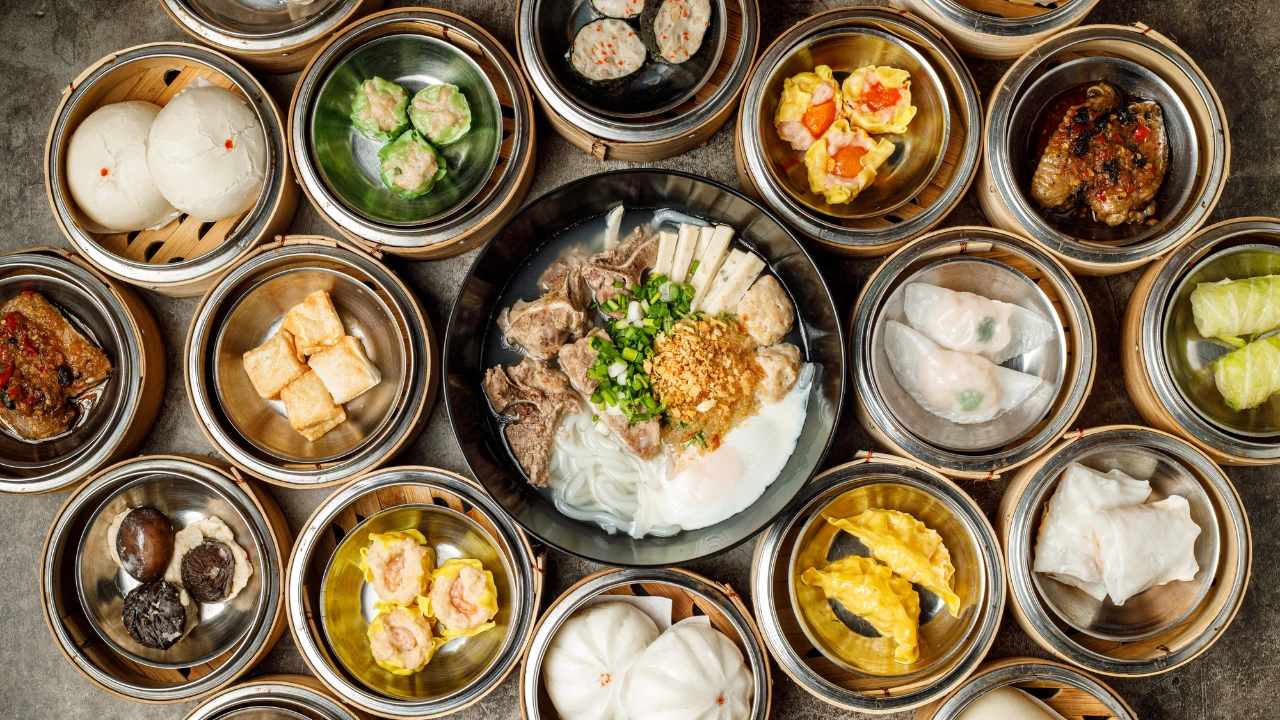
After your shift, the adventure doesn’t stop. Late-night dim sum? Check. Rooftop lounges with breathtaking skyline views? Absolutely. A neon-lit night market where you can shop for quirky souvenirs? You got it. There’s always something happening, and you’ll never run out of things to do.
The Food—Oh, the Food!
If there’s one thing you’ll remember long after leaving Hong Kong, it’s the food. Whether you’re grabbing a quick bite between shifts or treating yourself on a day off, the options are endless. From Michelin-starred dim sum to famous street food stalls, your taste buds are in for a wild ride. One thing’s for sure—you’ll never go hungry here.
Must-tries?
Egg waffles – Crispy, fluffy, and the perfect on-the-go snack.
Char siu (BBQ pork) – Sweet, smoky, and melt-in-your-mouth delicious.
Wonton noodles – A comforting bowl of springy noodles and juicy dumplings.
Hong Kong-style milk tea – Strong, creamy, and a total game-changer.
A Perfect Mix of East and West
Hong Kong is where East meets West in the best way possible. One moment, you’re admiring ancient temples; the next, you’re walking past ultra-modern skyscrapers. This cultural fusion makes the city a truly unique place to live and work. You’ll meet people from all over the world, work with international guests, and experience a hospitality industry that blends Asian warmth with global excellence.
You’ll also get to witness the city’s rich traditions—like the vibrant Chinese New Year celebrations or the mesmerizing Dragon Boat Festival—while still having access to familiar comforts like international food chains and modern shopping malls. It’s truly the best of both worlds!
Breathtaking Views Everywhere You Turn
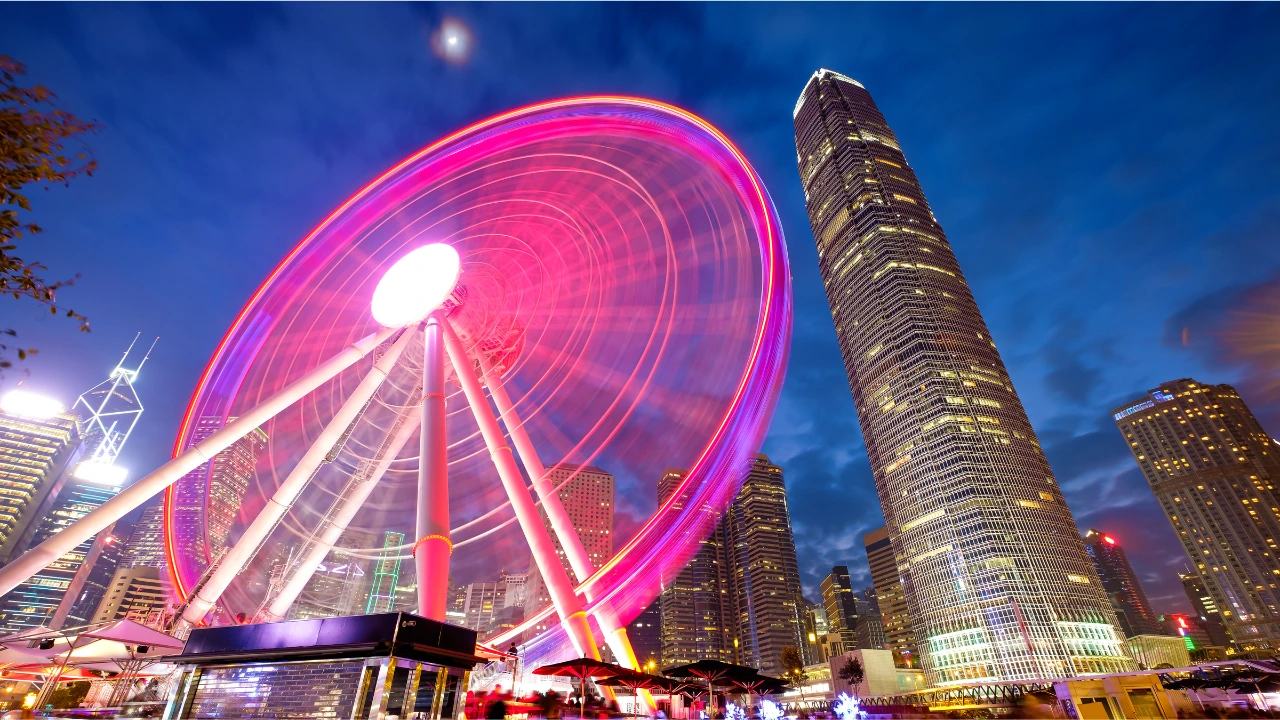
Let’s talk about the views. If you love a good skyline, Hong Kong is pure magic. Whether you’re looking out from Victoria Peak, cruising along Victoria Harbour on the Star Ferry, or taking in the Symphony of Lights show, the city’s beauty will never get old.
Even your daily commute can be a visual treat. Picture yourself hopping on the famous double-decker trams or taking a ferry ride with skyscrapers towering above you—just another day in Hong Kong!
Want to see more of what makes Hong Kong an incredible place to work? We’ve put together a Destinations Spotlight featuring Hong Kong on RMC Asia’s YouTube Channel—go check it out for a sneak peek into the city’s vibrant hospitality scene!
You Won’t Be Alone—RMC Asia Has Your Back
Starting a new job in a foreign country can be overwhelming, but with RMC Asia, you’re never alone. We connect aspiring hospitality professionals with life-changing opportunities, guiding you from application to arrival.
From securing the right placement to handling visas and pre-arrival preparations, our team ensures a smooth transition so you can focus on what matters—gaining valuable experience and making unforgettable memories.
Looking for more guidance? Check out our previous article for more insights.
Wrapping It Up—Are You Ready for Hong Kong?
So, what do you say? Are you ready to experience everything Hong Kong has to offer while taking your hospitality career to the next level?
If the answer is yes, then we can’t wait to help you get started! Save your spot and apply today!
Want to escape the ordinary and blaze a trail in hospitality that’s filled with excitement and exploration? With RMC Asia, you can! We’re offering exclusive internship opportunities in 10 incredible destinations, so you can work, travel, and grow your hospitality career all at once.
You’ll gain hands-on experience in some of the world’s best hotels and resorts, live in a new country, discover unique cultures, and make lifelong memories. Sounds amazing, right? Let’s dive into why this opportunity with RMC Asia could be the perfect fit for you!
Why Choose an Internship Abroad in Hospitality?
Hospitality is about creating unforgettable guest experiences, and what better way to dive deep into the industry than by taking your skills to the global stage? Through RMC Asia, you’ll have the chance to gain hands-on experience at top-tier hotels, and renowned luxury resorts across Asia and the Middle East.
But this internship isn’t just about work. It’s your chance to explore new cultures, connect with global professionals, and level up your career while making memories that last a lifetime. You’ll be learning from some of the best in the industry, expanding your network, and discovering what it’s like to work in the world’s most exciting hospitality destinations.
A Success Story: Danielle’s Journey from Intern to Full-Time Staff
Still wondering if an internship with RMC Asia is the right step for you? Let Danielle’s journey inspire you. Danielle, a hospitality intern with RMC Asia, started her adventure in Thailand at a luxurious 5-star resort. During her time there, she gained invaluable hands-on experience, learning from industry professionals and refining her skills in a high-end hospitality setting.
But it didn’t stop there. Danielle’s enthusiasm for delivering top-notch hospitality experiences didn’t go unnoticed by her superiors. As soon as her internship ended, the resort snapped her up for a full-time role, where she now pours her heart into making every guest’s stay truly special.
Danielle’s story is a perfect example of what’s possible when you join RMC Asia—an internship With persistence and the right attitude, you can ride the coattails of her success and snag a fulfilling job in hospitality after your internship is over. Want to hear more about Danielle’s journey? Check out her full story on the RMC Asia YouTube channel!
Check Out These Amazing Destinations!
Ready to pack your bags? Whether you’re dreaming of luxury resorts, vibrant cities, or exotic beaches, these 8 incredible destinations will offer you everything you need to grow as a hospitality professional—and have a blast while you’re at it!
Thailand is a dream destination for anyone in hospitality. Imagine working at a luxury resort by the beach or a high-end hotel in the buzzing city of Bangkok. Thailand is known for its friendly people, rich culture, and stunning natural beauty, making it the perfect spot to dive into the hospitality industry.
Here, you’ll experience everything from world-class service standards to mouthwatering street food, all while soaking in the warm, welcoming atmosphere that makes Thailand so special.
Hong Kong is a fast-paced metropolis where East meets West in the most exciting way. It’s one of the world’s leading hospitality hubs, with opportunities to work in some of the most luxurious hotels and restaurants.
In Hong Kong, you’ll get exposure to a truly international clientele while learning the ins and outs of a high-energy hospitality environment. When you’re off the clock, you’ll have the chance to explore the city’s vibrant street markets, visit incredible skyscrapers, or savor local delicacies.
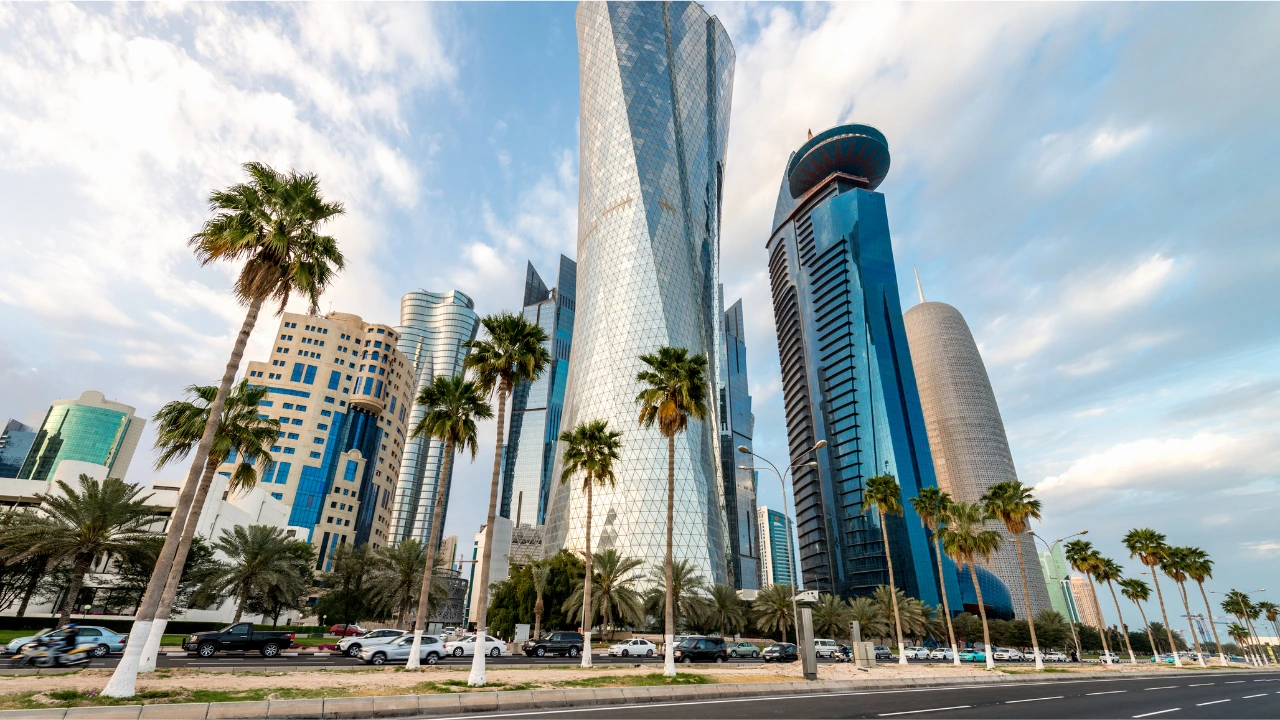
Qatar is one of the Middle East’s most exciting destinations, and it’s quickly becoming a global leader in luxury hospitality. By interning here, you’ll be working in some of the world’s most opulent resorts and hotels, all while experiencing the rich cultural heritage of the region.
Whether it’s working in luxury dining or the spa industry, Qatar offers a wealth of opportunities for those looking to immerse themselves in Arabian hospitality. Plus, with year-round sunshine and a thriving cultural scene, you’ll never run out of things to do.
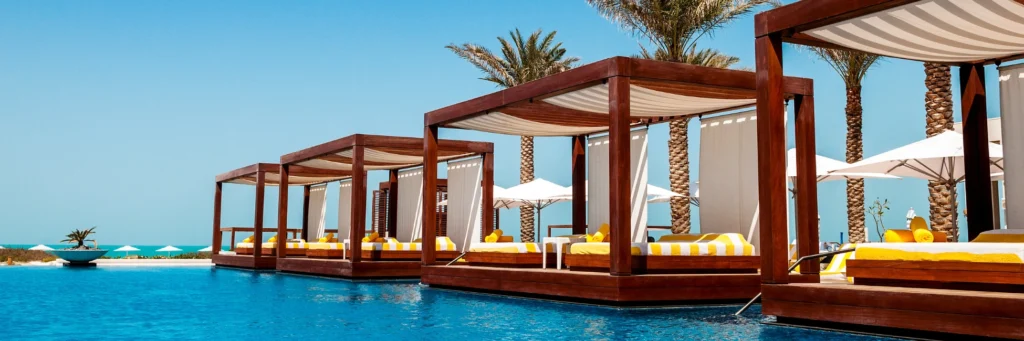
Work in the Maldives and it’ll feel like you’re living the dream! With its turquoise waters and luxurious overwater bungalows, the Maldives is the definition of paradise. Here, you’ll work at some of the most sought-after resorts in the world, gaining experience while enjoying a lifestyle that’s as relaxing as it is enriching.
From top-tier guest service to sustainable tourism, you’ll gain valuable skills that will set you apart in the hospitality industry. In your free time, take a dip in the crystal-clear ocean, enjoy the sunshine, or explore the underwater world.
5. Bahrain – A Hidden Gem of the Middle East
Bahrain may be small, but it packs a big punch in terms of culture and hospitality. With its rich history, modern developments, and welcoming atmosphere, Bahrain is an amazing destination for anyone looking to gain experience in a growing hospitality market. As an intern, you’ll get to work in luxury hotels and resorts while experiencing the unique blend of old-world charm and contemporary luxury that Bahrain has to offer. And with a food scene that blends Middle Eastern and international flavors, your taste buds are in for a treat!
6. Oman – Discover Beauty and Hospitality Like Never Before
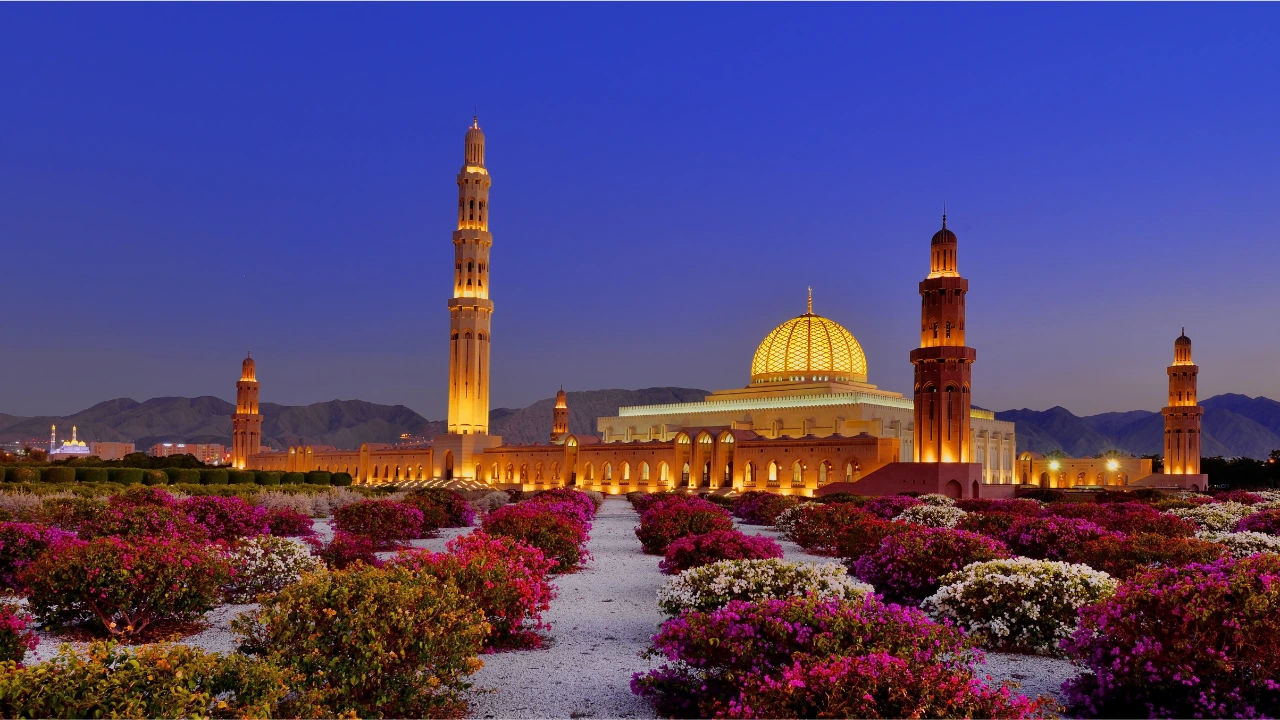
Oman is an up-and-coming gem that offers a unique mix of luxury, nature, and hospitality. Known for its stunning landscapes, including deserts, mountains, and pristine beaches, Oman offers a tranquil yet exciting environment for your internship.
When you’re not working at one of Oman’s luxurious resorts, take a break by exploring the breathtaking natural beauty of the country or learning about its ancient history. Oman is a place where hospitality meets adventure!
7. Vietnam – A Vibrant Destination for Aspiring Hospitality Pros
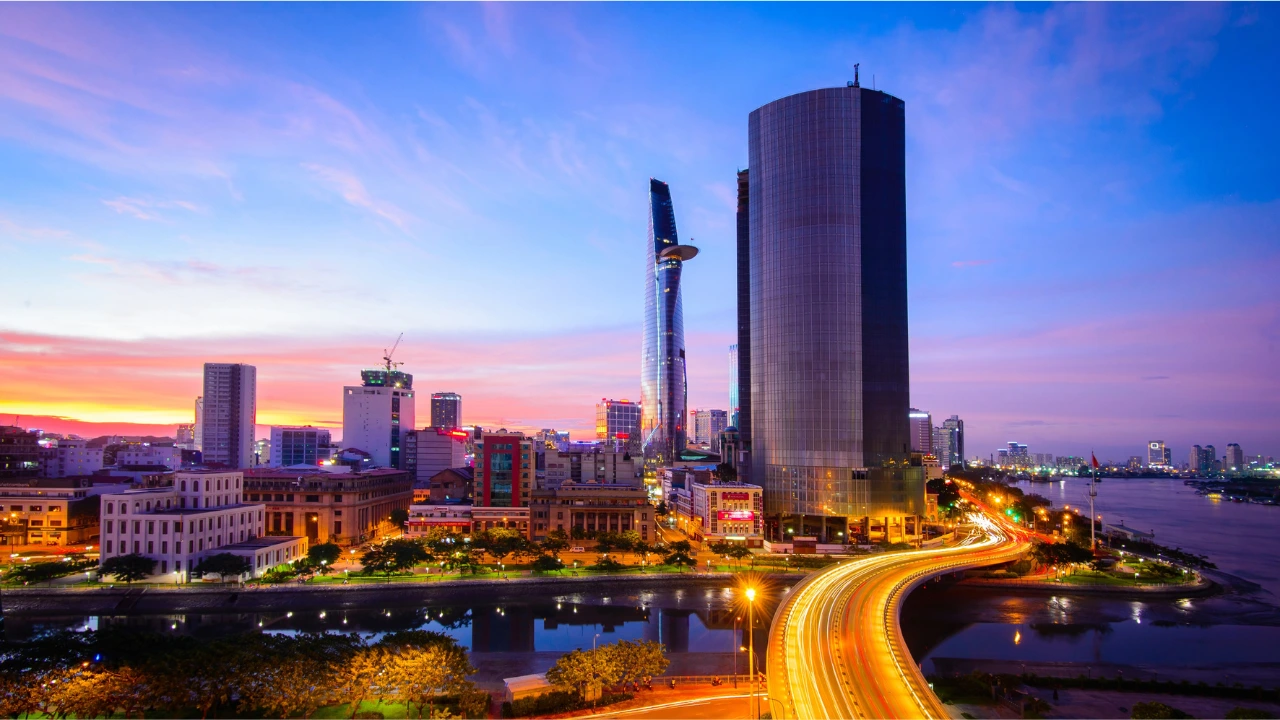
Vietnam is buzzing with energy, offering an exciting mix of tradition and modernity. From the vibrant streets of Hanoi to the fast-paced energy of Ho Chi Minh City, there’s always something happening here. Interning in Vietnam means working in a rapidly growing hospitality market where you’ll gain hands-on experience in one of Southeast Asia’s hottest destinations.
You’ll also get to indulge in one of the world’s best food scenes, from delicious street eats to fine dining, and learn how Vietnamese culture influences hospitality in ways that are both unique and eye-opening.
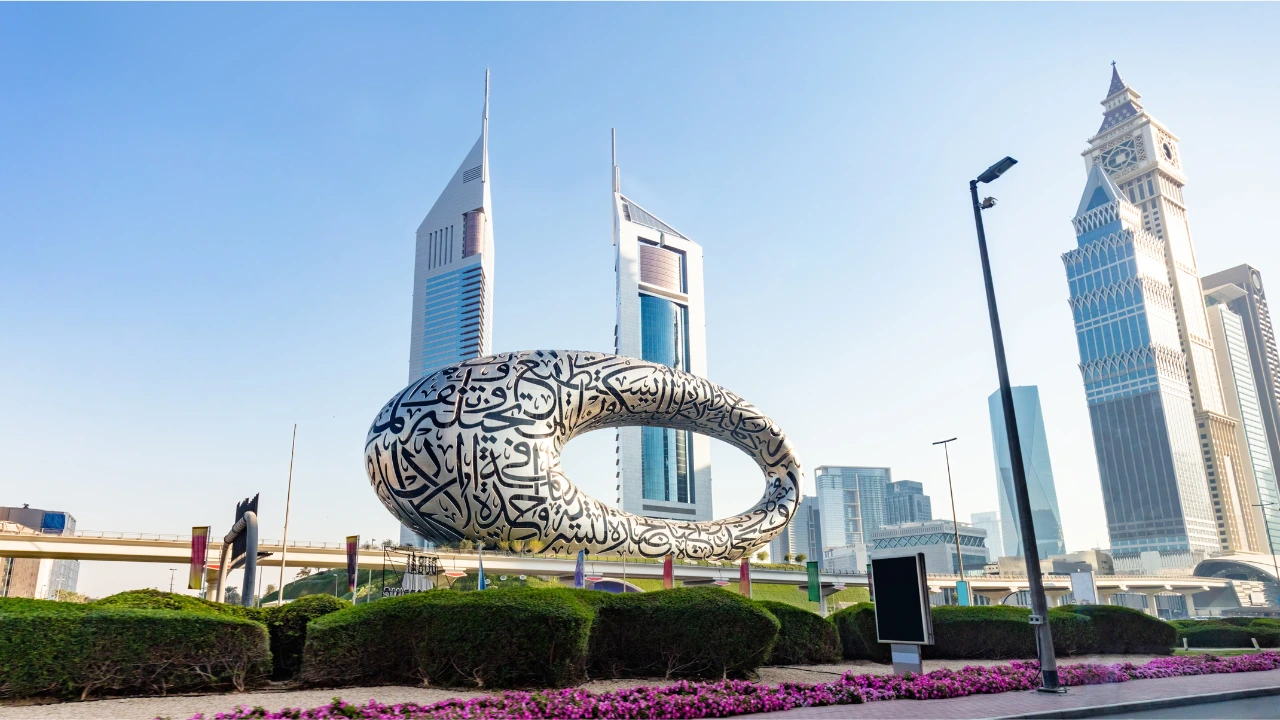
Dubai and Abu Dhabi are two of the world’s most exciting cities, where luxury knows no limits. With iconic hotels, world-class shopping, and futuristic architecture, the UAE is a top destination for anyone looking to break into the hospitality industry.
Interning here means working in some of the most famous resorts and restaurants, and learning the art of delivering service excellence to a global clientele. And when you’re off-duty, there’s always something to do—whether it’s shopping in the world’s largest mall, experiencing the desert, or visiting awe-inspiring landmarks like the Burj Khalifa.
9. Indonesia – The Island Nation of Hospitality
From Bali’s tranquil beaches to Jakarta’s dynamic city vibes, Indonesia offers a range of exciting hospitality opportunities. Work in luxury resorts, enjoy the diverse culture and explore Indonesia’s breathtaking natural beauty.
10. Malaysia – The Crossroads of Asia
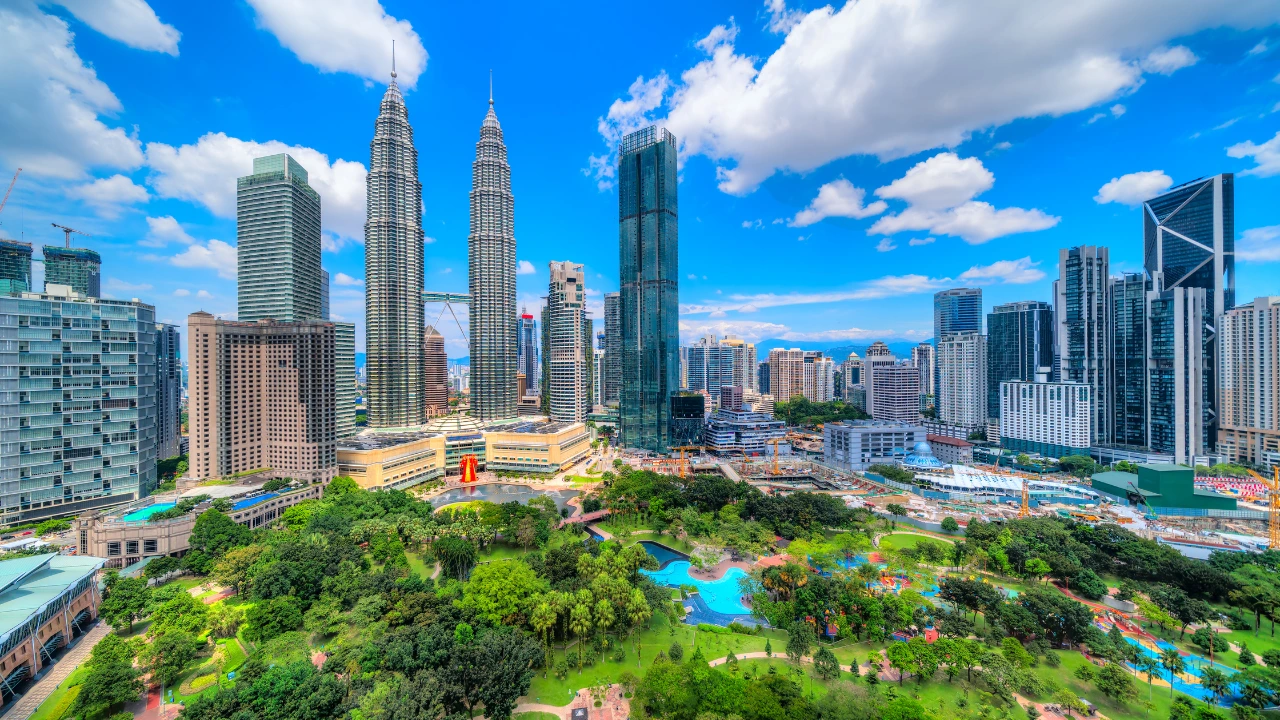
Malaysia is a multicultural hub that blends tradition and modernity seamlessly. Intern in bustling cities or serene island resorts, all while experiencing a unique mix of cultures, cuisines, and unforgettable hospitality standards.
Why Should You Go for It?
Here’s why an internship with RMC Asia is your ticket to success:
Gain Real-World Experience: These internships offer hands-on learning in top hotels, luxury resorts, and renowned restaurants.
Expand Your Network: You’ll connect with industry professionals who could help launch your career.
Experience New Cultures: Working abroad means immersing yourself in new cultures and gaining a broader perspective on hospitality.
Adventure Awaits: Explore exciting destinations while building your career—what’s not to love?
This is your chance to work in some of the world’s most amazing destinations while gaining experience in the luxury hospitality industry. Don’t miss out—get in touch with RMC Asia today and start planning your next adventure!
Wrapping Up
Are you ready to embark on an unforgettable journey that will transform your hospitality career? The groundwork is laid, and the foundation is set—now it’s time to make your mark. For more helpful tips and insider insights, check out the RMC Asia blog. Your global career adventure starts here!
If you plan to intern at a beautiful hotel or just want to learn about this booming industry, you’ve come to the right place. This article will give you helpful tips and inside information to help you succeed. Let’s look at the top trends in luxury hospitality for 2025 that you need to know.
Guests Expect More Than Just Luxury
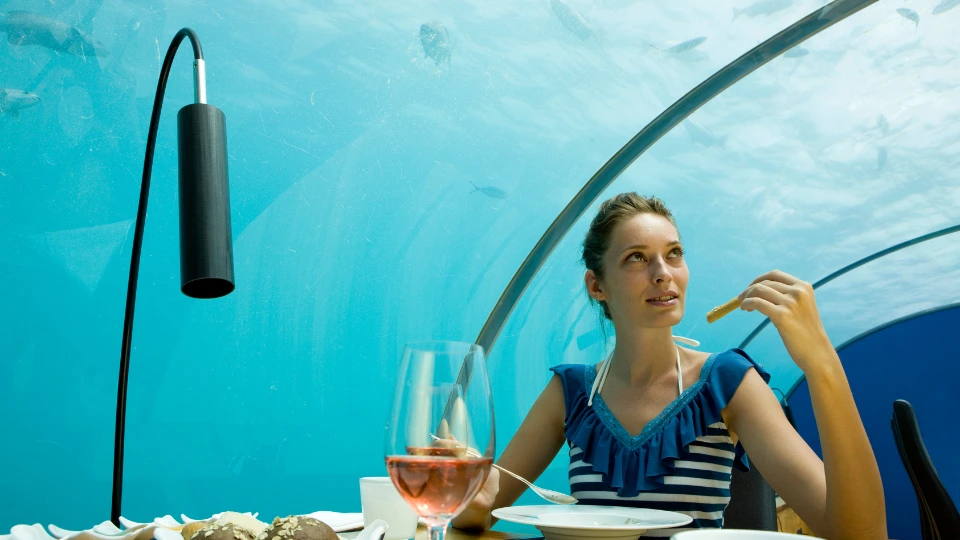
Luxury no longer means the softest beds or gourmet meals. People now want experiences they can tell their friends about. These might include eating dinner underwater discovering hidden local treasures, or learning a unique skill like making traditional pottery.
Through RMC Asia’s programs, you’ll gain hands-on experience in creating these memorable moments. You could suggest a secret spot to watch the sunset or tell a guest the best times to visit a popular attraction. These small details will make you memorable.
RMC Asia Tip: Before you start your program, take some time to explore! Find the coolest nearby places, the tastiest local restaurants, and the secrets locals know.
Sustainability Matters More Than Ever
Modern luxury travelers value sustainability as much as comfort. Hotels are taking action with sun-powered buildings, kitchens that produce no waste, and team-ups with nearby suppliers. Green luxury leads the way now.
RMC Asia programs give you the perfect opportunity to learn how top-tier hotels integrate sustainability into their operations. Having answers not only makes you look smart but also proves you care about what they think is crucial.
RMC Asia Insight: Whether you’re in the kitchen, front office, or housekeeping, learn how sustainability is integrated into your department. It’s not just a trend—it’s the future of hospitality.
Wellness is the New Luxury
Wellness tourism is having its moment right now. Guests want more than just a getaway—they seek detox retreats, personalized fitness programs, and holistic wellness experiences. From yoga classes with ocean views to food options curated for health-conscious travelers, luxury is blending with self-care.
When you join RMC Asia, you’ll have access to some of the most luxurious wellness offerings in destinations like Thailand and the Maldives. Learn how to recommend the best spa treatment, suggest the perfect spot for morning meditation, or guide guests to activities that leave them feeling refreshed.
Pro Tip: Try out the wellness services yourself if you can. It’s way easier (and more fun) to explain something you’ve experienced firsthand.
Tech and Personalization: The New Definition of VIP
Technology is everywhere in luxury hotels now. Guests love app-controlled room settings, super-personalized experiences thanks to AI, and easy communication with staff through chat platforms. It’s all about making their stay as seamless as possible.
By joining a program with RMC Asia, you’ll get firsthand experience with cutting-edge hospitality technology. Learning these tools will not only make your job easier but also help you stand out as a future leader in the industry.
RMC Asia Insight: If you’re working with advanced tech tools, don’t just learn the basics—explore how they can improve the guest experience. Showing initiative here can leave a lasting impression on your supervisors.
Authenticity is What People Want
A lot of travelers want to feel like they’re truly connecting with the place they’re visiting. A personal experience like diving into a local market in Hong Kong, learning how to cook traditional dishes in Thailand, or even discovering the ancient art of pearl diving in Bahrain.
RMC Asia’s programs take you to destinations where authenticity shines. Your role could involve introducing guests to local gems or sharing a favorite story about the area.
Ready to Level Up Your Hospitality Career with RMC Asia?
Okay, now that you’re all caught up on the trends, it’s time to think about you. 2025 will be an incredible year in luxury hospitality, and there’s no better time to level up your game. Whether it’s helping guests create memorable stories, diving into sustainability, or mastering tech, there’s always something you can do to make you stand out.
If you’re looking to sharpen your skills even further, don’t miss our article, “Mastering Hotel Jargon: A Guide for Aspiring Hospitality Pros”. Explore more articles that’ll help you prepare for your journey and beyond.
The best part is that RMC Asia is here to help you get started. With programs in awesome locations like Thailand, the Maldives, Oman, and many more. You’ll not only get hands-on experience but also get to explore some of the most stunning destinations across Asia.
Check out all the incredible opportunities at RMC Asia and take the first step toward an unforgettable career. Let’s make 2025 your best year yet!
The luxury hotel industry is a world of elegance, precision, and high expectations. If you plan on entering this sector, learning its vocabulary is just as important as knowing how each department operates.
Whether you’re an intern, an aspiring hotelier, or a seasoned hotel professional, knowing and using industry jargon can give you a significant advantage. It demonstrates your commitment to working in the sector, enhances your communication skills, and helps you to integrate into any team quickly.
By understanding the language of hospitality, you’ll be able to:
Communicate effectively. Interact confidently with colleagues and guests;
Understand operations. Grasp complex processes and contribute meaningfully to team efforts;
Deliver exceptional service. Anticipate guest needs and exceed expectations;
Advance your career. Position yourself as a knowledgeable and skilled professional.
To give you a headstart, we’ve curated a few key hospitality terms from each department that you should know if you’re just starting.
Hotel Operations Terms & Phrases.
General Jargon.
While many hospitality terms can be classified as department-specific, there are a few that everyone should know, regardless of which part of the hotel they work in:
Front of House (FOH) refers to all the guest-facing areas, such as the lobby, reception, and dining venues. FOH is where the guest experience begins and is crucial for first impressions.
Back of House (BOH) is all the operational areas hidden from guests, such as kitchens, storage, and staff offices. It’s where behind-the-scenes work happens to maintain the hotel’s smooth operation.
High (peak) season: The busiest travel time of the year, when hotel pricing and demand typically increase.
Low (off-peak) season: The time of year when there is less demand for travel, leading to dropping hotel prices.
Amenities: The additional services and facilities that a hotel offers its guests beyond the basics of a room and bed. Amenities can include things like a swimming pool, spa, fitness center, restaurant, bar, concierge, 24-hour room service, laundry service, and Wi-Fi.
Front Office.
The front office department is one of the foundational pillars of a hotel. Often seen as the “face” of the hotel, it’s also the first and last point of contact for many guests. The front office team is responsible for guest check-ins, check-outs, reservations, and inquiries, as well as handling guest requests and resolving issues. Here are some terms for this department:
Check-In/Check-Out: The standard operational processes for guest arrivals and departures.
No-Show: A guest who does not arrive for their confirmed reservation, impacting occupancy planning and revenue.
Walk-In: A guest who arrives without prior reservation and requires immediate accommodation arrangements.
Understay: A guest who checks out earlier than their scheduled departure date.
Stayover: A guest who extends their stay beyond the original booking.
Inventory: The total number of rooms a hotel has available for booking.
Booking Pace: The rate at which reservations are being made for future dates.
Occupancy Rate: The percentage of available rooms that are occupied during a specific period.
Rack Rate: The standard room price set by the hotel, without any discounts.
Best Available Rate (BAR): The lowest available rate for a specific room type on a particular date. BAR fluctuates based on factors like occupancy, competitor pricing, and demand.
Blackout Dates: Periods when a hotel is unable to offer any discounts, usually due to high demand or special events.
Property Management System (PMS): A software system used by hotels to manage their day-to-day operations, including reservations, guest check-in/check-out, room inventory, billing, and reporting.
Central Reservations System (CRS): A centralized system used to manage room reservations across multiple properties, often integrated with the PMS.
Food & Beverage.
The food and beverage (F&B) department is another cornerstone of every hotel. The F&B team takes care of all the operations related to food and beverage within the hotel, including restaurants, bars, and banquet services. Familiarize yourself with these terms:
Restaurant.
À La Carte: A dining style where guests can order individual menu items instead of a set meal.
Prix Fixe: A set course menu offered at a fixed price, popular in fine dining.
Mise en Place: A French phrase meaning “everything in its place.” It refers to preparing all tools and ingredients before service begins.
Table Turnover: The rate at which tables are occupied and cleared. This is a key metric for restaurant efficiency – a high table turnover rate means more guests can be served, leading to higher revenue.
Comp: A complimentary item or service offered to a guest “on the house,” usually as a gesture of appreciation or to rectify a mistake.
Point of Sale (POS) System: A software used to manage transactions at hotel outlets like restaurants, bars, and shops. POS systems track orders, process payments, and monitor inventory.
Bar.
Neat: A drink served without ice or mixers, typically a high-quality spirit.
House Pour: The bar’s default brand of liquor used in standard mixed drinks.
Mixer: A non-alcoholic beverage used to dilute or flavor a drink, such as soda, juice, or water
Up: A drink that is chilled but served without ice, often in a martini glass.
On the Rocks: A drink served over ice, commonly requested for whiskey or cocktails.
Cocktail Hour (or Happy Hour): A specific time period, usually late afternoon or early evening, when alcoholic beverages are served, often with appetizers.
Kitchen.
The kitchen is the heart of the hotel’s culinary operations, responsible for preparing and delivering delicious meals – and satisfying guest experiences. The kitchen team manages food production, inventory management (for ingredients), and sanitation standards. Some essential jargon includes:
Brigade System: A hierarchical system in the kitchen that helps ensure smooth operations.
Sous Chef: The second-in-command in the kitchen, assisting the Executive Chef in overseeing daily kitchen operations and training staff.
Expediter: The middleman between the kitchen and dining room, who ensures food is prepared and delivered promptly.
Amuse-Bouche: A complimentary small dish served to guests before their meal.
Plating: The art of arranging food on a plate to enhance its visual appeal and flavor.
Sauté: To cook food quickly in a small amount of hot fat.
Braise: To cook food slowly in liquid over low heat.
Garnish: To decorate a dish with edible or non-edible items.
Simmer: To cook food in liquid just below boiling point.
Par-cooked/Par-boiled: To partially cook food, usually by boiling or steaming, before finishing the cooking process.
Housekeeping.
Housekeeping plays a pivotal role in maintaining the cleanliness and overall appearance of a hotel, ensuring a comfortable and inviting environment for guests. This department manages room cleaning, linen services, and public area maintenance. A few key terms to know are:
Turn-Down Service: A specialized evening service to prepare the room for nighttime, often including tasks like drawing curtains, fluffing pillows, and placing a chocolate treat on the bed.
Deep Cleaning: A thorough cleaning process that involves cleaning areas not typically addressed during daily cleaning, such as carpets, upholstery, ceiling fans, and behind furniture.
OBC (Occupied but Clean): A room status indicating that a guest is currently occupying the room, but it has been cleaned and serviced for the day.
OOO (Out of Order): A room status indicating that the room is unavailable for guest use due to maintenance, repairs, or renovations.
OOS (Out of Service): A room status indicating that the room is temporarily unavailable for guest use due to minor maintenance or cleaning.
Leisure & Spa.
Leisure and spa facilities are a key differentiator in luxury hotels and usually include spa treatments, fitness facilities, and pool operations. This department offers relaxation and wellness services for the guests, enriching their experience while also generating extra revenue for the hotel. Some relevant terms include:
Fitness Center: A facility equipped with exercise machines, free weights, and fitness classes.
Treatment Menu: A curated list of spa services, including massages, facials, body wraps, and other treatments.
Therapist: A licensed professional who performs treatments like massages, facials, and other spa services.
Aromatherapy: The use of essential oils to promote relaxation, reduce stress, and improve overall well-being.
Wet Area: A designated area within the spa facility that includes amenities like saunas, steam rooms, and hot tubs.
Day Pass: A fee-based option for non-hotel guests to access leisure and spa facilities, like the pool, sauna, and steam room, for a day.
Sales & Marketing.
The sales and marketing department generates the hotel’s revenue by promoting the property, attracting guests, and managing group as well as corporate business. They develop and implement marketing strategies, manage sales channels, and coordinate events and promotions. Important terms to learn are:
Lead Time: The time between the initial guest contact and the actual booking or arrival/stay date.
Conversion Rate: The percentage of inquiries or leads that result in actual bookings.
Upselling: Encouraging guests to purchase additional services or upgrades, such as premium room categories
Cross-selling: Promoting complementary products or services to guests, such as dining at the hotel’s restaurant or using the spa facilities.
Market Segmentation: Categorizing guests based on demographics, behavior, or preferences.
GDS (Global Distribution Systems ): A network of computer systems that enables travel agents and other intermediaries to book hotel rooms and other travel services.
RFP (Request for Proposal): A formal document soliciting proposals from vendors or contractors (like event planners, meeting organizers, or travel agencies) for a specific product or service, often used in group sales and event planning.
FAM Trip (Familiarization Trip): A complimentary trip offered to travel agents, tour operators, or media professionals to build relationships, showcase the hotel’s offerings, and encourage bookings.
Human Resources.
The HR department of the hotel manages employee recruitment, training, development, and overall well-being, ensuring a motivated and skilled workforce. They handle talent hiring, onboarding, performance management, and employee relations. Useful HR jargon includes:
Onboarding: The process of welcoming and integrating new employees into the organization.
Employee Engagement: Strategies to motivate and inspire employees, leading to a positive work environment, increased job satisfaction, and productivity.
Succession Planning: Identifying and developing high-potential employees to fill future leadership roles within the hotel.
Employee Benefits: Compensation and perks offered to employees in addition to their regular salary, such as health insurance, retirement plans, paid time off (PTO), and flexible work arrangements.
Exit Interview: A meeting conducted with an employee leaving the organization to gather feedback.
Finance.
The finance department manages the hotel’s financial operations, ensuring profitability and compliance with regulations. They handle budgeting, accounting, financial reporting, and tax compliance. Some common finance terms are:
P&L Statement (Profit and Loss): A financial report summarizing revenues, costs, and expenses to provide a clear picture of the hotel’s financial health.
Budgeting: The process of creating a detailed plan for future income and expenses.
Forecasting: Predicting future revenues and expenses based on historical data and trends to aid in strategic planning.
Cost Control: Strategies aimed at reducing unnecessary expenditures while maintaining service quality.
Internal Audit: A systematic review of the hotel’s financial and operational processes to identify risks and control weaknesses.
ROI (Return on Investment): A measure of profitability that compares the return on an investment to its cost, critical for evaluating projects or marketing campaigns.
Revenue Management.
The revenue management department optimizes pricing and inventory to maximize revenue. They analyze market trends, adjust rates, and manage room allocations. Essential terms include:
ADR (Average Daily Rate): The average revenue earned per occupied room, helping gauge pricing effectiveness.
RevPAR (Revenue Per Available Room): A key performance indicator that combines room rates and occupancy to measure overall profitability.
Yield Management: A pricing strategy that adjusts rates based on demand to maximize revenue during peak and off-peak periods.
Cash Flow Management: Monitoring and managing the inflow and outflow of cash to ensure liquidity.
Revenue Management Systems (RMS): Software used to optimize pricing and inventory strategies.
Wrapping Up.
While this guide is certainly not exhaustive (as there are simply too many terms to fit in one article), we hope our overview will help you confidently navigate the language of luxury hospitality!
Try to continuously grow your hospitality vocabulary, which will help improve both your professionalism and efficiency at work. Pay attention to how colleagues use jargon, and don’t hesitate to ask for clarifications. Whenever suitable, practice incorporating new terms into daily conversations and documentation to build your fluency.
Remember, learning is an ongoing process, so keep exploring and expanding your knowledge!
Ready to Take the Next Step? Are you eager to dive into the exciting world of hospitality? RMC Asia offers a wide range of internship and training programs in top hotels and resorts across Asia.
Gain hands-on experience, learn from industry experts, and immerse yourself in diverse cultures. Explore our opportunities today and embark on a fulfilling career in hospitality!