
Hospitality Industry

it department in hotel

A Close-Up Look at Hotels’ IT Department

We already know how essential technology is in this digital era! However, no matter how sophisticated a technology is, it still needs human force in its integration and daily operations. Hence, it is inevitable that jobs in the technological area will always be needed by industries that utilize technology in their operations, including the hospitality industry.

Today, all hotels integrate technology with their services to improve the guest experience. In order to ensure the seamless delivery of those services, hotels are supported by an IT department, a professional team responsible for every technological aspect of the hotel.

Hotels’ IT department handles everything about or related to technological systems and equipment in a hotel, such as computer networks and hardware devices. They work together with other hotel departments to ensure positive guest experiences by implementing technology into the hotel’s daily operations and coming up with solutions to solve technological issues!

The hotel’s IT department is an interesting team, and there is more to them than meets the eye. Our article today will give you a close-up look at the IT department in hotels, starting from their organizational structure, job positions, and even the salaries. Come take a seat and scroll down our article to learn more!

About Hotel IT Departmentโ€™s Organizational Structure

An organizational structure makes any task more efficient by distributing duties and optimizing procedures. Just like in other hotel departments, the hotel IT team uses an organizational structure to assign and coordinate tasks among staff members. When creating the structure, there are several aspects that are considered by the management, which include resources, skills, goals, and business objectives.

By applying organizational structure to a hotel’s IT department, several benefits can be gained. Below are some of the advantages of the organizational structure in the IT department:
It can be a working guideline for staff members;

  • It helps new employees understand to whom they need to report their work;
  • It provides opportunities for development by defining each staff member’s role.
  • It provides opportunities for development by defining each staff member’s role.

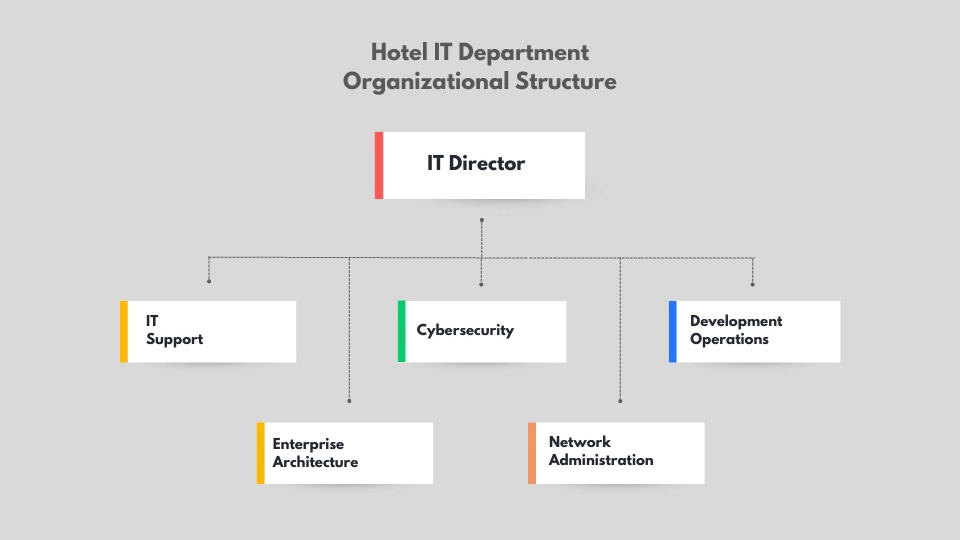
it department hotel organizational structureGeneral Organizational Structure of Hotel IT Department.

Every company has different IT needs, but their organizational structures are usually similar. In general, an IT department’s organizational structure, including the hotel’s IT, covers these areas:

  • IT support
  • Cybersecurity
  • Enterprise architecture
  • Network administration
  • Development operations (DevOps)

The Crucial Role of Hotel IT Department

role of it department in hotelAn Illustration of a Hotel IT Department Staff Writing a Code.

As the frontline of hotel technology, the IT department shoulders a great deal of responsibility for the implementation and integration of technology in hotels. Their roles involve the installation, configuration, and service of every IT system for employees and hotel guests.

Additionally, the IT team is also responsible for making new software recommendations and overseeing IT system upgrades or installations. In hotels with business centers for guests, an IT employee is also required to provide direct support to solve the guests’ technical problems.

Interesting IT Department Positions and the Salaries

The IT department in hotels has various interesting positions with bright career prospects and is a great choice for those who are looking for a stable job with a rewarding salary. Here, we have compiled some of the most common and interesting IT jobs in hotels, along with their respective salaries!

1. IT Support Specialist

it support specialist hotelA Hotel’s IT Support Specialist Working on His Duty.

The responsibilities of an IT support specialist cover the planning and delivery of technical support services, which include installation, consultation, troubleshooting, and user assistance. They work hand in hand with fellow IT team members to solve guests’ problems directly or refer them to the appropriate hotel department.

The average base salary for IT support specialists in Thailand is เธฟ746,391 or around $21,862, with an average annual bonus of $763, which makes the IT support specialist a recommended starter job to enter the IT field in the hospitality industry!

2. Web Administrator

web administrator hotelA Web Administrator of a Hotel.

A web administrator develops, maintains, and troubleshoots the hotel’s website. They ensure a safe and efficient user experience by implementing security protocols, creating backups, along with solving website and software problems.

Moreover, web administrators also optimize the website’s performance and online visibility to generate more visitors and revenue! According to Salary Expert, the average salary for this position is $20,990 per year in Vietnam, which is considered high in the country.

3. Programmer

programmer femaleA Hotel’s Programmer in the Middle of Coding.

This position is among the most popular in a lot of industries! Programmers write code for computer programs and mobile applications used by hotels nowadays. Not limited to coding, programmers are also responsible for maintaining and troubleshooting hotel IT systems to ensure that everything is running smoothly.

Such popularity often makes the salary of programmer positions rewarding. In Hong Kong, a programmer can earn an average of $85,688 per year and an annual bonus of around $3,564!

4. Software Engineer

software engineer hotelA Hotel’s Software Engineer on duty.

Software engineer is another interesting IT job that makes it to this list. The duties of a software engineer involve designing, constructing, and testing hotel or other hospitality applications that meet user needs by using software programming languages.

Many software engineers also specialize in specific areas, including databases, cloud computing, and operating systems such as iOS and Android. As listed in PayScale, the average annual salary for a software engineer reaches around $27,809 in Qatar, and the payment can go even higher the more experienced you are!

5. IT Director

hotel it manager it directorAn IT Director in a Hotel.

Every hotel’s IT department is led by an IT director. Overall, the IT director is responsible for the day-to-day operations of the hotel’s IT systems, including business systems, office systems, computer networks, and telephone systems running within the hotel.

Moreover, they also provide IT staff training, maintain inventories of hardware devices and software licenses, as well as review maintenance agreements. As a prestigious position within the hotel IT department, an IT director in the United Arab Emirates can earn an average of $117,377 annually, which is a high salary!

Hotel IT Systems Used by IT Departments

hotel it systemsIllustration of Hotel IT Systems.

Hotels use information technology (IT) systems to plan and manage their overall operations. The hotel IT systems involve all computerized systems used by hotels to gather data for internal and external purposes, which is a crucial aspect of hotels. There are many IT systems utilized by hotels and operated by the IT department, which we have covered for you to read below.

1. Transaction Processing System

This system collects, retrieves, and modifies transactional data to ensure it is accurate and timely. Some examples of transaction processing system operations in hotels include bill or invoice creation, booking entry, and employee payroll.

2. Point of Sale (POS) System

The POS system’s function is to track merchandise sales within hotels, such as those sales transactions that occur in the hotel’s restaurant, bar, or coffee shop, and generate useful records for accounting purposes.

3. Property Management Systems (PMS)

The use of property management systems allows hotels to automate important tasks, from online reservations to sales and marketing. This means that property management systems covered the operational duties of the staff as well, such as the front office and marketing departments.

4. Decision Support System

The IT department uses the decision support system to ensure all the hotel’s operations are functional and decisions are made in a timely manner. This system is based on the operational model of the hotel establishment, with some examples including price management of food items and demand planning for hotel rooms.

5. Global Distribution System (GDS)

In order to simplify processes for guests and hospitality companies, the global distribution system is used to integrate services, payments, and products into hospitality websites. Additionally, this system is also used to link hospitality products across the hospitality industry.

Wrapping Up

Hotelsโ€™ IT department plays a significant role in all administrative and operational activities of hotels. Given its importance, the request for IT professionals in the hospitality industry has been growing throughout the years. The introduction of various IT positions in hotels might be the main reason why the demand continues to rise. Nevertheless, this is a good sign as there will be more opportunities available for those who are chasing a professional career in the industry.

In response to the surge in IT workforce demands in the hospitality industry, RMC Asia provides internship and management training opportunities for young professionals to work in the industry, with IT being one of the available departments.

Since 2014, our team has been committed to carrying out the mission of connecting fresh talents worldwide with prestigious hotels and resorts in Asia. Our programs help participants gain self-development, hands-on work experience, and cultural exposure in international environments that advance their career paths in hospitality!

Join the success of our participants and start climbing to the top of the hotel IT department career with us now!

Recommended: The Ultimate Guide to Technology in the Hospitality Industry

A Close-Up Look at Hotels’ IT Department Read More ยป

the ultimate guide to technology in the hospitality industry

The Ultimate Guide to Technology in the Hospitality Industry

The use of technology in our everyday lives has become a normal occurrence in this modern era. Technological advancements allow certain activities as well as tasks to be more efficient and exceed intended results. For instance, technology in the hospitality industry significantly helps the industry adapt to transitions and maintain its relevance throughout the years.

Technology developments in the hospitality industry have progressed ever since the in-room telephone technology was first introduced in the Netherlands Hotel in 1894. Innovations in hospitality continue to advance along with hotels’ evolution and have become an inseparable part of their day-to-day operations.

Needless to say, don’t go anywhere because we will discuss the significance of technology and walk you through the latest technology trends therein along with all the challenges of implementing them as well as examples of successful technology implementations in hotels!

Why Technology is Important to the Hospitality Industry

why technology is importantAn illustration of various technology innovations.ย 

In this modern era of countless innovations, technology is regarded as essential to all industries, including hospitality and tourism. However, that begs the question of what exactly technology does to be an important aspect of the industry. Hence, below are some of the notable benefits of technology to businesses in the hospitality industry that make its contributions exponential.

1. Technology enhances customer experience

The implementation of technology in hospitality services and amenities can help improve the overall customer experience. For instance, online booking technology makes hotel room reservation services easier for guests, and smart TVs in hotel rooms have accessibility features that add to guest satisfaction.

2. Technology streamlines operations

Nowadays, various hotel operations can be streamlined by technology, such as room reservations by using online booking technology or even guest data management through a hotel management system. Thanks to technology, the staff’s workload becomes reduced as well as more efficient.

3. Technology improves the communication quality

To ensure that guests receive accurate assistance and information, well-managed communication is needed between staff and guests or between different hotel departments. The hospitality technology for communications, such as in-room telephones, can help to improve the quality of communication within the hotel and the guest experience.

4. Technology increases revenue rates

By using technology, hotels are able to optimize room pricing and revenue management, as well as identify opportunities for upselling and cross-selling. These actions can help to increase the hotel’s revenue rates, resulting in higher income.

5. Technology upgrades the security level

Thanks to technology, guests don’t need to worry when it comes to their security in hotels. Technologies have improved security levels at hotels through innovations like electronic keycard systems to control hotel rooms and area access or security cameras to monitor activities.

Latest Game-Changing Tech Trends in the Hospitality Industry

Many technological innovations in the hospitality industry have resulted in technology trends that gained popularity in recent years Here, we will cover the top and latest hospitality technology trends that are currently in the spotlight.

Internet of Things (IoT)

internet of things iotAn illustration of Internet of Things (IOT).

The internet can connect everything and everyone while it also knows better by extending internet connectivity to everyday devices. This process enables devices to collect data and interact with users, turning them into smart devices. In the hospitality industry, IoT can be found in innovations such as smart TVs in guest rooms and hotels’ wireless doorbell cameras.

Cashless Payments

cashless payment technologyCashless payment technology.

Ever since the COVID-19 pandemic, cashless payment technology has taken the industry by storm. The technology offers many advantages, including a fast payment process and compatibility with loyalty programs. In addition, the lesser amount of human-to-human contact in this technology makes it more preferable nowadays, as human-to-human contact was one of the triggers for the virus’ spread.

Artificial Intelligence (AI)

artificial intelligence aiAn illustration depicting artificial intelligence (AI).

Artificial intelligence, or AI for short, is one of the technologies that is trending in many industries aside from hospitality. Artificial intelligence use in the hospitality industry itself has been optimized to assist hotel staff in their day-to-day operations. A great example is AI-powered chatbots that are integrated with the hotel’s app or website where they can respond to guests’ inquiries, making it easier for staff to focus on other tasks and reduce their workloads.

Cybersecurity

cyber securityIllustration of Cybersecurity.

Artificial intelligence, or AI for short, is one of the technologies that is trending in many industries aside from hospitality. Artificial intelligence use in the hospitality industry itself has been optimized to assist hotel staff in their day-to-day operations. A great example is AI-powered chatbots that are integrated with the hotel’s app or website where they can respond to guests’ inquiries, making it easier for staff to focus on other tasks and reduce their workloads.

Mobile Apps

mobile apps hotelMobile apps illustration.

Artificial intelligence, or AI for short, is one of the technologies that is trending in many industries aside from hospitality. Artificial intelligence use in the hospitality industry itself has been optimized to assist hotel staff in their day-to-day operations. A great example is AI-powered chatbots that are integrated with the hotel’s app or website where they can respond to guests’ inquiries, making it easier for staff to focus on other tasks and reduce their workloads.

Hospitality Technology Challenges

Great technological development in the hospitality industry inevitably comes with great challenges too. As long as technology continues to advance and the hospitality industry constantly adapts to every situation, there is no doubt that any challenge can be overcome. Regardless, we have listed some of the challenges in hospitality technology to share insights with you!

  • The project management;
  • The process of implementing and integrating the technology;
  • Support and service of the software or technology;
  • Creating a true partnership with the software provider;
  • The flexibility in providing both cloud and on-premise solutions.

Sophisticated Hotels and Their High-Tech Implementation

High-technology innovations that might sound like science fiction movies have also been implemented and integrated into the services of these sophisticated hotels! Such top-notch technologies add to the appeal of these hotels, enticing more guests to stay and surely increasing their revenue. Here are a few of the high-tech hotels worldwide that will both entertain and enlighten you!

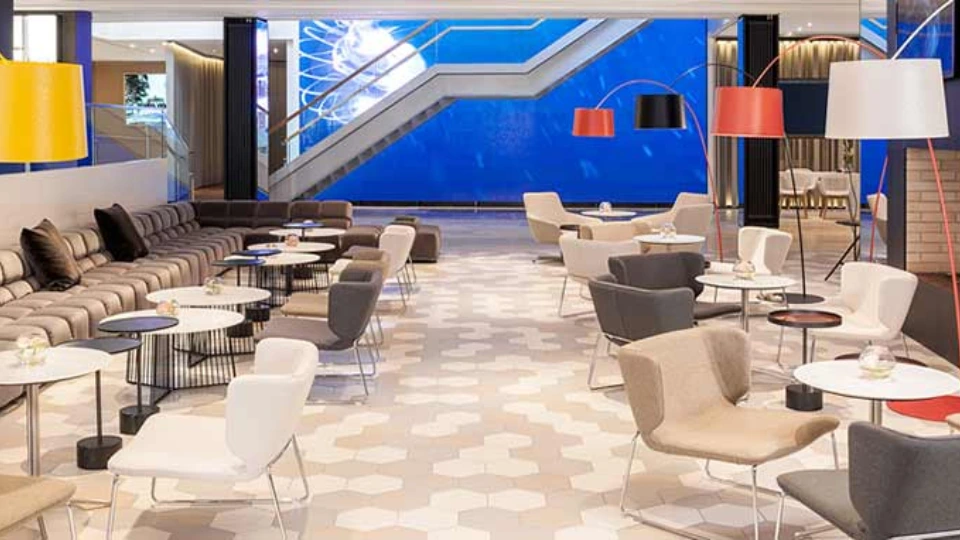
The NH Hotel in Berlin, Germany

The interior of NH Hotel in Berlin. (via Smart Meetings)ย 
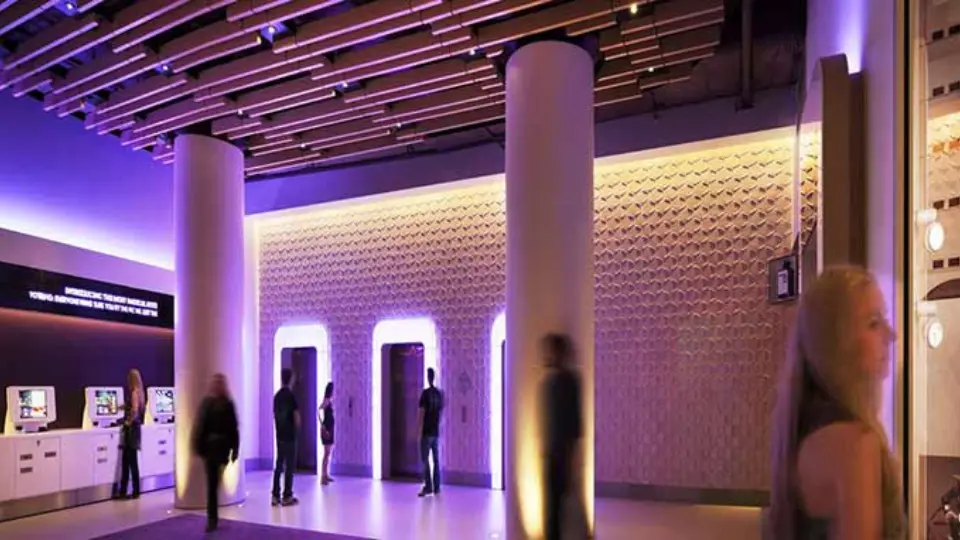
Regarded as every business traveler’s dream, the NH Hotel provides holographic technology to guests that shows 3D image projections of meeting attendees and work presentations! Other hotels from the NH Hotel chain in Milan and Barcelona are known to utilize this technology as well.

The Yotel in New York, United States

the yotel new yorkThe inside of the Yotel in New York. (via Smart Meetings)
From advanced kiosk check-ins to motion-sensor air conditioning, the Yotel offers a savvy staying experience for its guests! The hotel also implemented a robot service in their operations, known as YOBOT. The YOBOT stores the luggage in locked bins, which can later be retrieved using a special pin code and the guest’s last name!

The Peninsula Hotel in Tokyo, Japan

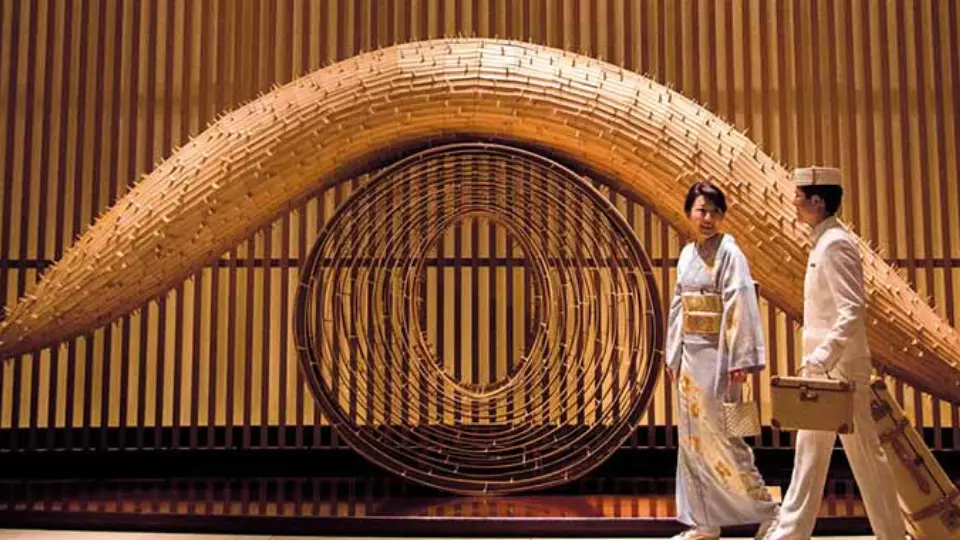
the peninsula hotel tokyoThe Peninsula hotel in Tokyo, Japan. (via Smart Meetings)

Located in Tokyo, the Peninsula is known for its high-tech room amenities, which range from unlimited internet radio with over 3,000 stations to Skype-compatible wireless phones and even mood lighting pads. The hotel also provides a digitally interactive Pokรฉmon hunt, which is an amenity for the kid-friendly game.

Blow Up Hall 5050 in Poznaล„, Poland

blow up hall 5050 polandBlow Up Hall 5050 hotel in Poland. (via Uniq Hotels)
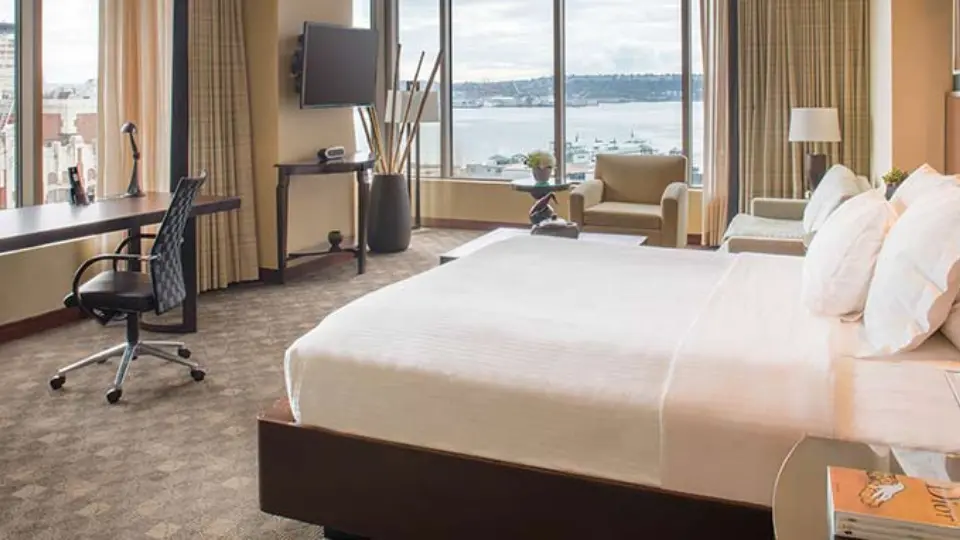
A hotel, restaurant, bar, and also a place for various digital art installations, the Blow Up Hall 5050 offers 22 guest rooms and event spaces with a 700-person capacity. Here, guests access their assigned rooms through a digital key sent to an iPhone provided by the hotel for staying guests, which makes the check-in process more efficient and sophisticated!

Hotel 1000 in Washington, United States

hotel 1000 washington usaA guest room in Hotel 1000 in Washington, USA. (via Smart Meetings)

Using a fully converged IP infrastructure, the Hotel 1000 in Washington is able to provide customization services to further its guest experience. With the technology, guests have the option to choose room temperatures, artwork, and music as they wish. In addition, the Hotel 1000 even provides Microsoft Surface tablets in each guest room, touchscreen VoIP phones, and even a virtually simulated golf room!

Wrapping Up

The hospitality industry continues to evolve along with its technological developments despite challenges that come and go. Through the implementation of technology, businesses in the industry are able to operate efficiently, increase revenue, and provide a positive experience for their customers. Hence, staying up-to-date on the latest tech trends is a must for the hospitality industry and its professionals to remain competitive and keep providing exceptional service for the best of customers’ experiences.

Working in the hospitality sector, especially in its information and technology (IT) section, is challenging yet rewarding at the same time. Opportunities in this field lay open within the hospitality industry, which you can also find through RMC Asia.

Since 2014, RMC Asia has been partnering with 5-star hotels and resorts in Asia to provide internships and management training programs, with IT being one of the hotel departments available. Our program participants will gain access to hospitality expertise through practical work experience with industry experts and enjoy unforgettable cultural exchanges in our program destinations!

Letโ€™s embark on your IT career in the hospitality industry by joining us and other successful participants now!

Recommended: The 100-Year Timeline of Hotel History

The Ultimate Guide to Technology in the Hospitality Industry Read More ยป

women staff role in hotel hospitality industry

A Look into Women’s Role in the History of Hospitality Industry

Throughout the history, hospitality has been one of the most dynamic industries that underwent significant changes to develop into its current state. There are many positive and negative factors that influenced the course of its development over time such as the introduction of modern technologies or the outbreak of world wars to name a few. When we talk about the hospitality industry through, we tend to overlook the importance of key players that have long contributed to the growth and prosperity of the hospitality industry. Yes, I am referring to women.

There is no doubt that women have always had a crucial part to play in the hospitality industry. However, their contributions became more apparent and recognized starting in the last century as they took on more roles in all aspects of hotel operations. For example, some women worked as โ€œbell girlsโ€ in the 1930 and 1940 as most men were recruited for the army.

With the advent of feministic idealogy, the awareness of women’s rights spread across the globe and inspired many to take action toward gender equality in the workspace, especially in the hospitality industry. One of the unique innovations the movement led to was the women-only hotels which we will cover later in this article.

Our article today will show you women’s history and their roles in the hospitality industry, starting from the past to the present. You will also get inspiration from featured successful women hoteliers and get to know the stories of female-only hotels worldwide!

Womenโ€™s History in Hospitality

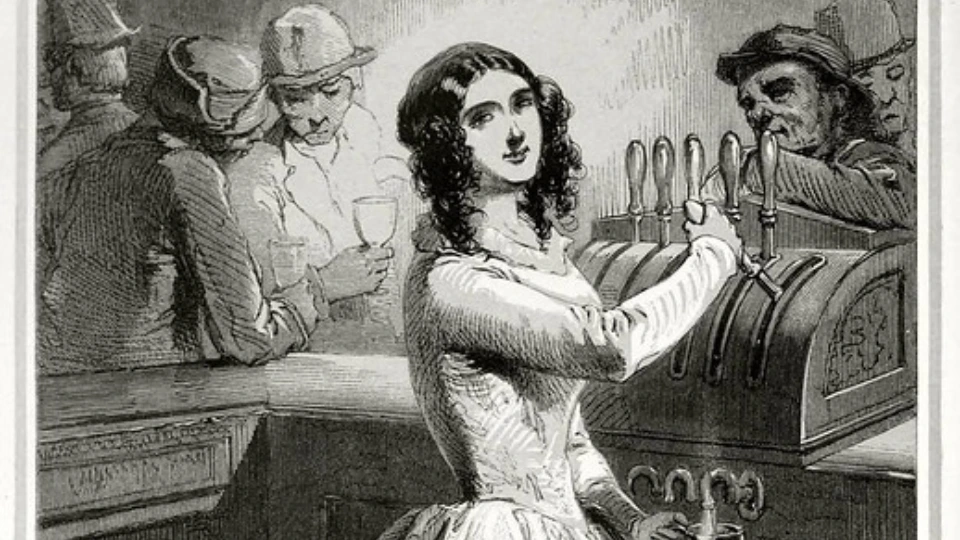
bar maid illustrationAn illustration of a bar maid. (via Brookston Beer Bulletin)ย 

Since the Middle Ages, women have played a central role in the hospitality industry by providing services like serving meals and making beds for guests at inns. These women were often widows or unmarried, and working at inns was a way for them to support themselves and their families. This tradition continued into the 18th and 19th centuries when women occupied the same roles across hotels and other similar establishments. During World War II, women again made crucial contributions to the hospitality industry by working as cooks and waitresses (mostly in military facilities), while some handled more physically straining tasks to keep hotels running.

Women’s roles in hospitality started to shift after the rise of awareness towards women’s rights and equality, which is commonly known as feminism. This movement aimed to achieve gender equality and improve the lives of women as a social group, putting an end to sexism and discrimination.

feminism women rights equalityDemonstration about feminism movement.

Feminism heavily influenced many industries’ lives, including hospitality as their roles were no longer limited or seen as insignificant. Nowadays, women are equally the driving force of the industry and are given the same opportunities for advancement, leadership, and salaries as men.

Women in the hospitality business undoubtedly still face challenges despite all the positive changes. However, the future of the hospitality industry is promising for people of all genders, races, and backgrounds as it continues to develop and promote equality for all.

Successful Women Hoteliers in The Hospitality Industry

Despite all the difficulties, women continue to advance by becoming successful and gaining recognition for their roles in the industry. The majority of them have also left their marks in the history of hospitality as leaders and creators of their own hotels, and we hope to celebrate their accomplishments and encourage our readers to follow in their footsteps in the dynamic and diverse hospitality industry. Below, we have featured some of the influential female hoteliers and their stories, to inspire our audience with their success!

Alex & Olga Polizzi (Co-Founders of The Polizzi Collection)

alex polizzi olga polizzi the polizzi collectionAlex and Olga Polizzi, co-founders of The Polizzi Collection. (via Boutique Hotelier)

The mother, Olga, is a renowned interior designer and hotelier, while her daughter, Alex, is the presenter of The Hotel Inspector. They opened Hotel Endsleigh together in 2005. Years later, they acquired The Star hotel, which had been renovated from an old hotel built in 1345. It features a 30-bedroom hotel with Olga’s signature design flair and casual dining space. The release of The Star itself coincides with the launch of The Polizzi Collection, their official joint venture.

Emma Stratton (Owner of Red Hotels)

emma stratton owner red hotelsEmma Stratton, the owner of Red Hotels. (via Boutique Hotelier)

The Scarlet and Bedruthan in Cornwall are part of Red Hotels by Emma Stratton. Emma, who wished to change the traditional hotel model, launched The Scarlet in 2009 with two colleagues after an eight-year planning process and a ยฃ12.5 million investment. The hotels continued to promote sustainability in their operations, and for the past five years, they have consistently maintained an occupancy rate between 86% and 89% while leading the industry in terms of sustainable business practices.

Angela Harper (Owner of Palรฉ Hall)

angela harper owner of pale hall hotelAngela Harper, the owner of Palรฉ Hall. (via Boutique Hotelier)

Angela Harper is a former head teacher. In 2016, she opened Palรฉ Hall in Wales with her husband, Alan. They spent 12 months renovating the Grade II-listed building they acquired into a beautiful 16-bedroom hotel called Palรฉ Hall. One year after its opening, Palรฉ Hall was awarded an AA five-star rating, the first in North Wales to get that award in a decade. Its fine dining restaurant, Henry Robertson, was given a Michelin Green Star due to its eco achievements. Angela’s collaboration with her husband has helped Palรฉ Hall retain its commitment to excellence ever since.

Women-Only Hotels around the World

Since the first women’s hotel opened, the concept of women-only accommodations has become a trend in the hospitality industry. These hotels cater exclusively to women, offering them a welcoming, cozy, and safe place to remain while traveling to new places. Below, we have compiled a list of women-only hotels from around the world that will give insights and that would be interesting enough to be recommended to our female readers!

Bay Hotel

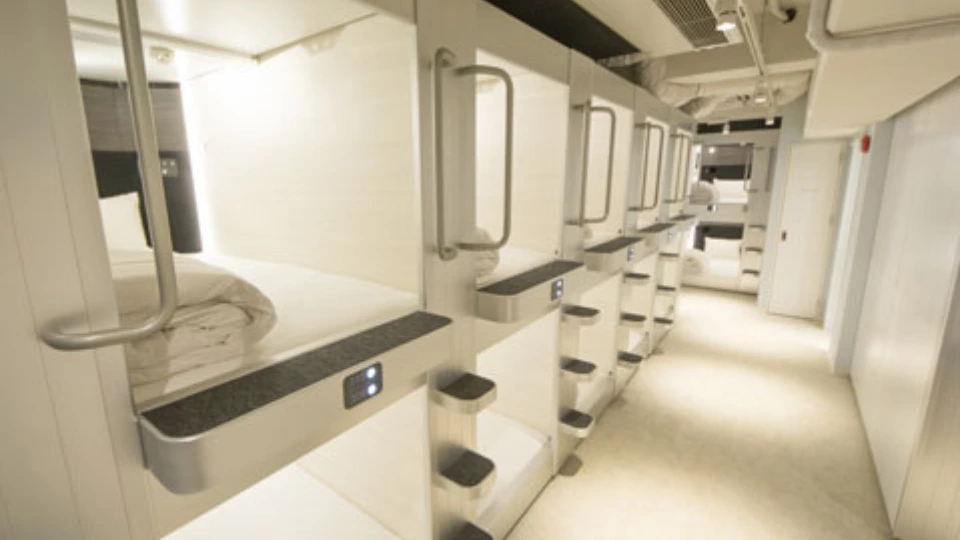
interior bay hotel japanInterior of Bay Hotel in Japan. (via Bay Hotel)

Located in Japan, the Bay Hotel is a โ€œcapsule hotelโ€ with compact space. Its contemporary style is perfect for female guests that travel from city to city, and its number of single beds will definitely make the ladies feel at home!

Som Dona Hotel

som dona female only hotel in mallorca spainA pool in Som Dona Hotel, Spain. (via Going Luxury)ย 

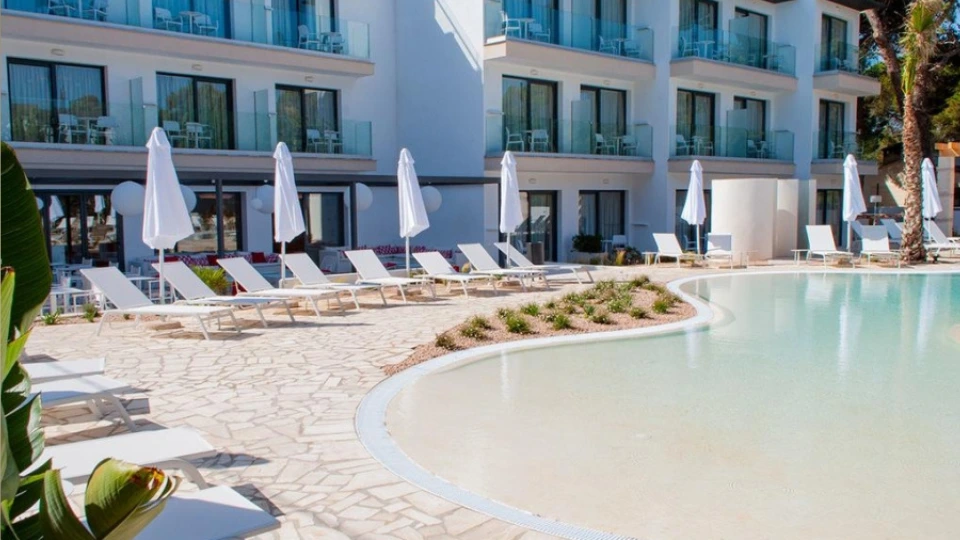
This is the first women’s hotel in Mallorca, Spain! It has 39 rooms with boutique feels and a range of other amenities provided for guests who are women aged 14 and over. A unique thing about this hotel is that it operates a “no men allowed” policy.

Media One Hotel

media one hotel dubai uaeMedia One Hotel in Dubai. (via Media One Hotel)

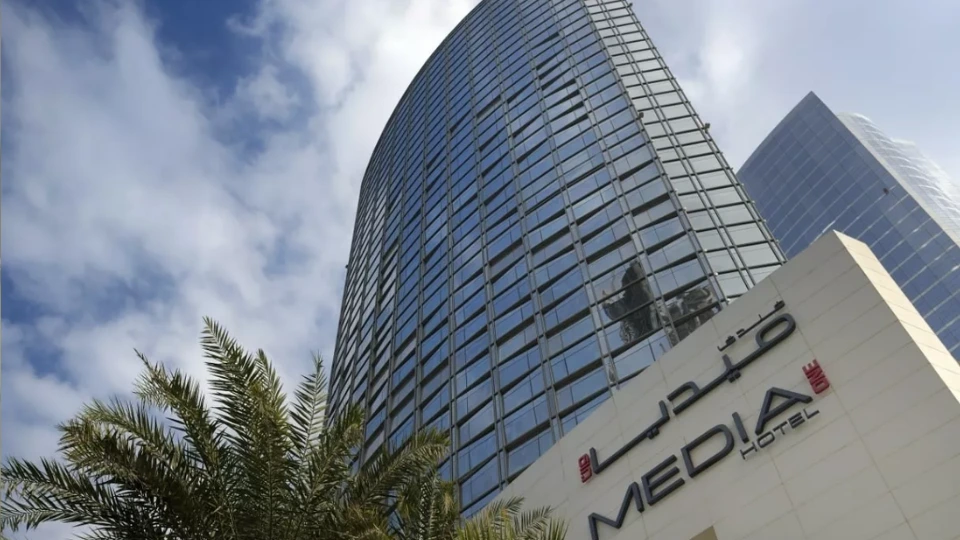
In 2018, Media One in Dubai opened a women-only floor in their hotel, which was designed with the โ€œgirlโ€™s tripโ€ concept. Staying here includes varying perks, from welcome beauty kits and a list of restaurant discounts for women to a collection of books by inspirational female authors! The concept and benefits offered make this hotel a worthy choice for ladies who are traveling solo or in a group around Dubai.

SuperShe Island Retreats

supershe retreat private island for women in finlandAn outside view in SuperShe Island Retreats. (via USA Today)
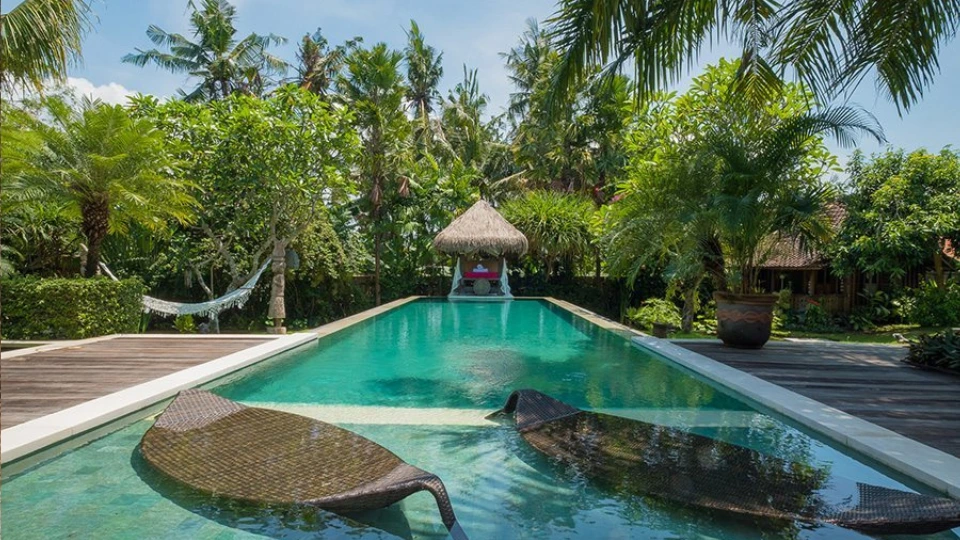
SuperShe is a privately owned island located off the coast of Finland. It is a small, 8.4-acre island, big enough to house just eight people. The island is used for women’s retreats and networking spaces, complete with wellness retreat activities like spa treatments and dedicated bonding time. Only those lucky enough to pass the application process can enjoy a comfortable stay in this gem of accommodation!

Bliss Sanctuary for Women

bliss sanctuary for women female only hotel spa in baliA view from Bali’s Bliss Sanctuary for Women. (via Bliss Sanctuary for Women)

If you are looking for a peaceful environment with a lot of wellness, Bliss Sanctuary for Women, which is located in Bali, would be a worthy choice. It offers delicious local cuisines, pools that are surrounded by a captivating jungle, and a variety of wellness options that can help guests unwind while spending quality time.

Wrapping Up

Women have played a vital role in the hospitality industry ever since its early rise by providing comfort to guests during their stay. Despite facing challenges, women continue to make significant contributions to the industry, achieving success across the board.

Beyond this Women’s History Month, we would also like to continue supporting women’s roles in the hospitality industry, and by promoting diversity and inclusivity, we can create a more vibrant, dynamic, and innovative hospitality industry that truly reflects the needs and aspirations of all.

RMC Asia has been committed to the mission of providing inclusive hospitality internships for students and graduates from diverse backgrounds since 2014. Our internship programs are available for candidates all around the world, with destinations in various prestigious hotels and resorts across Asia. The practical work environment, combined with cultural exchange experiences, will give our participants room to grow their capabilities for future careers in the hospitality industry!

Be a part of an unforgettable internship experience and achieve your successful hospitality career with us now!

Recommended: Journey Through Dine-In History: The Birth of Restaurants

A Look into Women’s Role in the History of Hospitality Industry Read More ยป

history of restaurant

Journey Through Dine-In History: The Birth of Restaurants

Eating at restaurants has always been a thing since long ago! In the past, it began when people bought snacks from street vendors or had meals at inns and other public eateries. At the time, these types of establishments did not have specific policies on their service or a variety of menus yet, but they were considered the foundations of today’s restaurants.

However, those early forms of restaurants weren’t referred to as “restaurants” yet, as the term was first coined and popularized in the late 1800s. Meanwhile, basic forms of public eateries can be traced back to around 500 BC, which is much older than the term itself!

As the long and unique history of restaurants makes it an attractive topic to learn about, we decided to take you back in time on a journey to discover the birth of restaurants through this article!

The Birth of Restaurants

According to historic findings, thermopolium was a public place where people could buy cooked food in the Ancient Greece while popinae (plural of popina), became a popular spot to serve people snacks and wine in the Roman Empire. The thermopolia and popinae were the two kinds of eateries that somehow resembled todayโ€™s restaurants in the ancient times and they date back to about 500 BC, making them the earliest forms of restaurants that we know of.

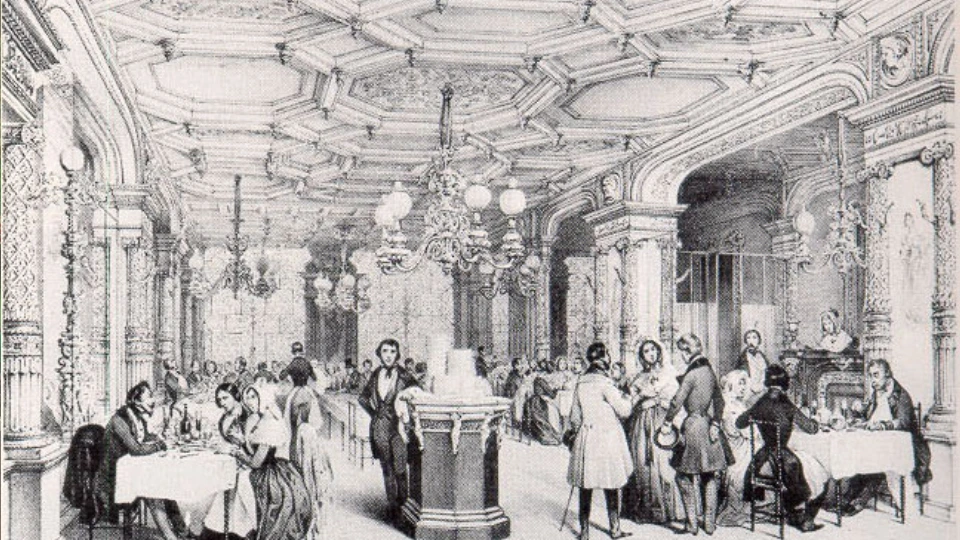
Public eating places continued to bloom and evolve in terms of service. For instance, hundreds of years later in China (around the 1100s), noodle and dumpling shops that offered full service and seats started to develop nationwide. Afterwards, in the late 1600s in Paris, traiteurs (someone with legal status to cook, serve, and deliver food) started offering what they called a table dโ€™hรดte, where people could sit and dine.

It wasn’t until the year 1765 that Mathurin Roze de Chantoiseau established the first public eating space that was referred to as a “restaurant”, which is the term we use to this day. Mathurin’s restaurant specialized in restorative broths and offered a wide range of dishes with an elegant interior.

illustration of french restaurant 1840An illustration of a French restaurant in the 1840s. (via Shannon Selin)ย 
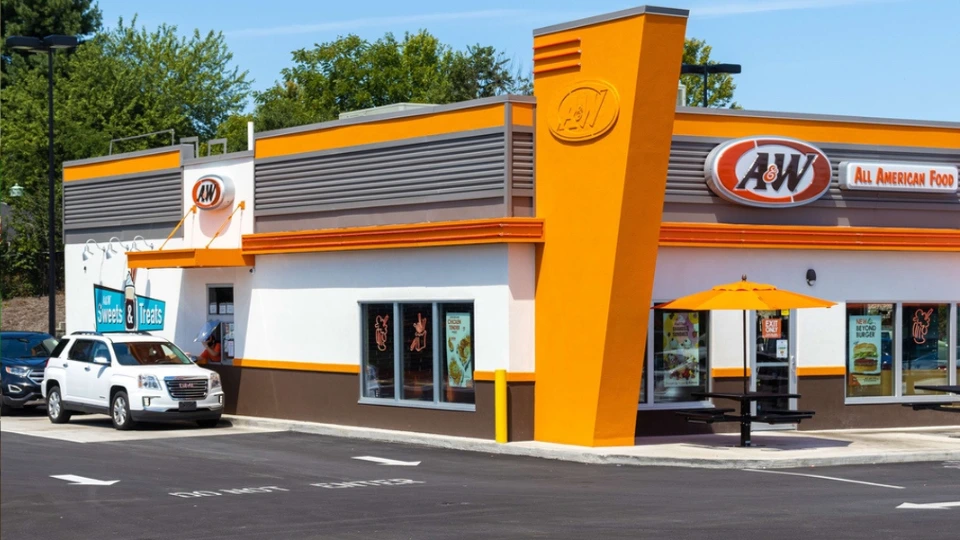
Fast forward to 1898, the renowned chef Auguste Escoffier invented a brigade system to break down tasks and assign them to specific stations or chefs to make the kitchen operate more efficiently. To this day, this brigade system is used in many restaurants around the world.

In the following years, restaurants developed along with hotels’ rapid expansion and evolution into bigger and more luxurious establishments. Some restaurants even joined or were created by the hotels themselves. A variety of restaurants with franchises started to grow in popularity as well, such as the famous fast food restaurants KFC and McDonald’s.

Now, restaurants are common venues that can easily be found anywhere around us. A restaurant is not merely a place to order and enjoy our food anymore. Rather, it also serves other purposes that encompass more than dining, such as a spot for social gatherings or to show status in some cultures. In this modern era, more restaurants are competing to provide different kinds of services, which promise distinct eating experiences unlike any other!

Types of Restaurants

Ever since first restaurants were introduced, restaurants have evolved and expanded in various forms and shapes that offer different services, specialties, and even customer experiences. While there are many that are worth mentioning, we have compiled a list of common restaurant types that you can easily find anywhere in the world these days!

Fast Food Restaurants

an A&W restaurant chainAn A&W restaurant, the oldest fast food restaurant chain. (via A&W Restaurants)

Also known as quick-serve restaurants (QSR), fast food restaurants are statistically the most common type of restaurant worldwide preceded by casual restaurants, of course. Fast food restaurants are distinguished by their quick preparation of food and standardized menus with usually fixed prices.

KFC and McDonald’s are two of the most popular fast food restaurant chains, both of which were founded in the United States in 1930 and 1940. However, historical records show A&W (1919) as the oldest and first fast food restaurant chain in the world that continues to exist up until today!

Fine Dining Restaurants

fine dining restaurant table settingTable setting in a fine dining restaurant.
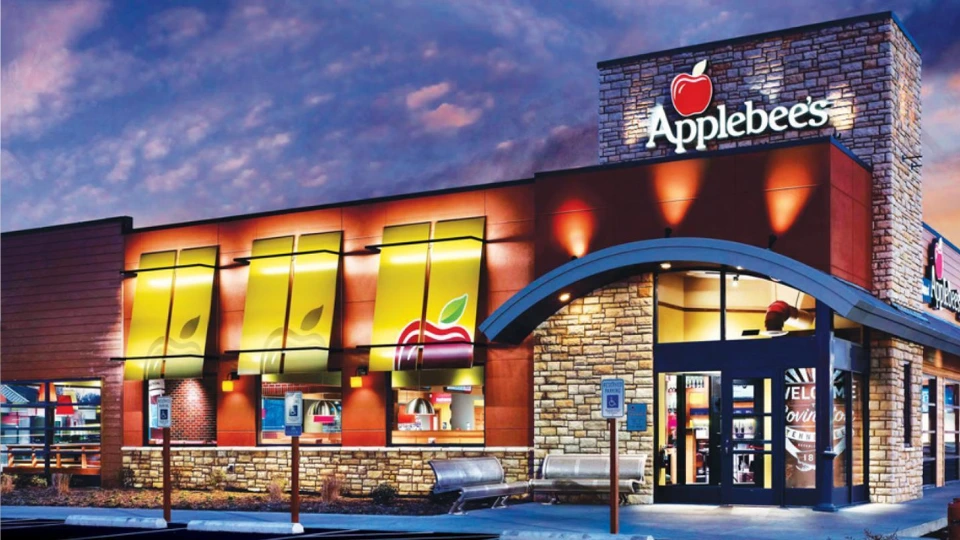
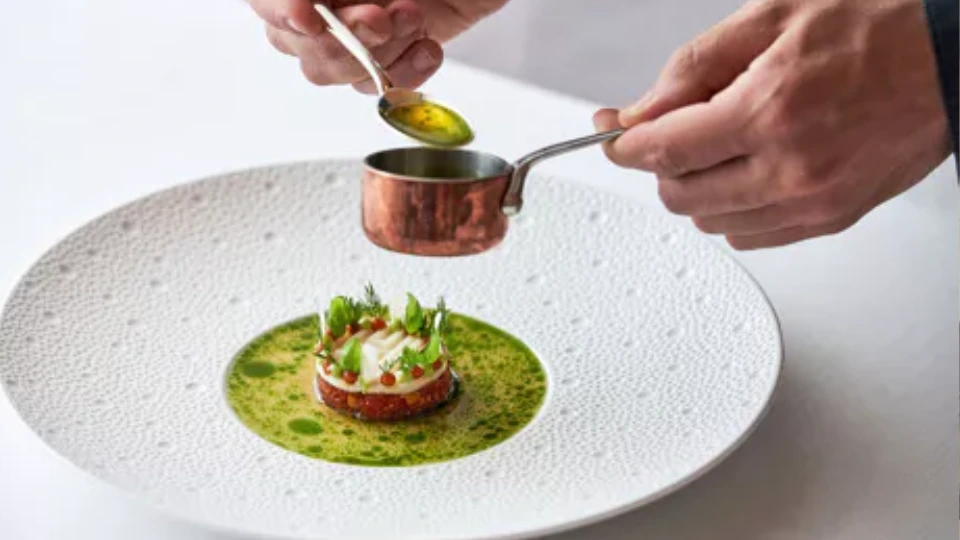
This restaurant type is characterized by its superb menus that are prepared by highly professional staff using high-quality food ingredients, and the luxurious experience is enhanced by sophisticated features that decorate fine dining restaurants.

Fine dining restaurants are considered to be the most competitive businesses in the restaurant sector, as they rely more on the amount of money their customers spend than on the number of customers they regularly host.

Casual Dining Restaurants

one of applebee's restaurantApplebee’s, a casual dining restaurant. (via Nation’s Restaurant News)
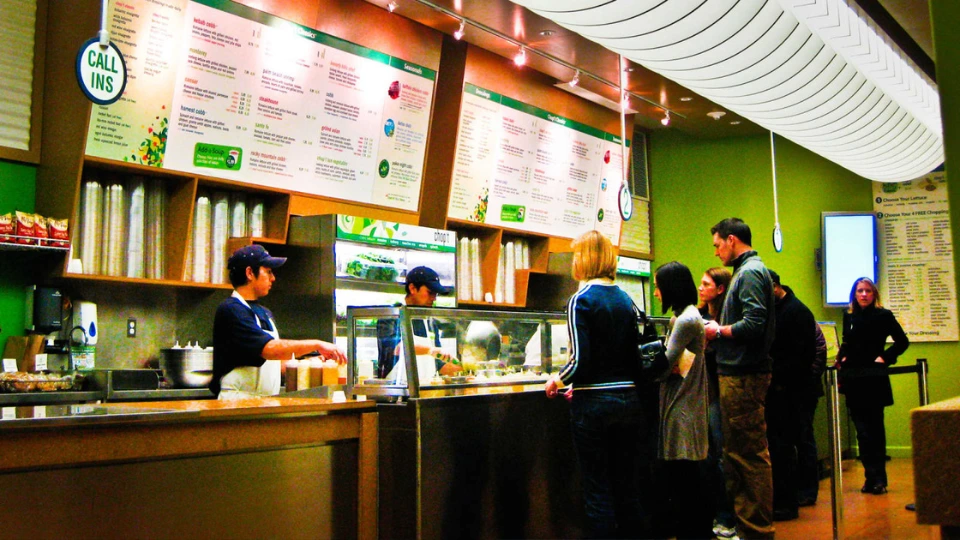
If you are looking for a slightly more elevated dining experience at a cheaper price, the casual dining restaurant is your best option! The casual dining restaurant offers table service and a wider option of menus with varying prices.

Usually, a casual dining establishment is equipped with comfortable seating and thematic decor that adds to its ambience. Olive Garden and Applebee’s are a few examples of casual dining franchises that offer excellent services and various menus.

Fast Casual Restaurants

fast casual restaurantA fast casual restaurant. (via CNBC)

The fast casual restaurant is a combination of fast food and casual dining restaurants. They use better-quality ingredients than fast food restaurants, while their prices are slightly lower than those of casual dining restaurants.

Customizable meals and alcoholic drinks are also offered at fast casual restaurants, which is another reason why their prices are more expensive than fast food restaurants. However, keep in mind that they do not provide full-table service for customers!

Cafรฉs

cafe interiorInterior of a cafรฉ.

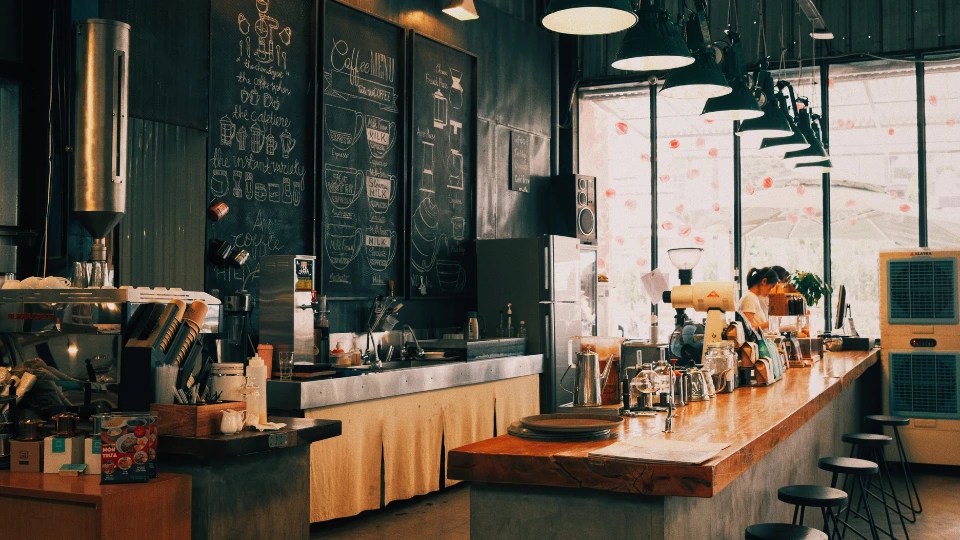
Another popular restaurant type nowadays is the cafรฉ! Most cafรฉs sell breakfast or light food like sandwiches, pastries, and drinks like coffee or tea in various styles. The price is usually standardโ€”not too cheap or too expensive.

Many cafรฉs offer indoor eating experiences for their customers, but some also have outdoor seating that provides a more enjoyable experience. The unique atmosphere of cafรฉs often makes them a perfect place for socializing!

Famous Restaurants with Michelin Stars

Plenty of well-known restaurants exist in the industry, but how many of them are granted the prestigious Michelin star? Before we go further, let’s get to know the history of this famous rating system for restaurants!

The history of Michelin stars is rather unique. It originated from the Michelin Guide, a travel guide created in the 1900s by the Michelin tire company. In 1926, the Michelin brothers, the people behind this guide’s creation, changed its focus to fine dining by deploying a team of “inspectors” to visit and review fine dining restaurants across France. This change led to the birth of the Michelin star, an esteemed rating system for fine dining restaurants that people know today.

michelin guide michelin starThe Michelin guide, the origin of the Michelin stars. (via Ultimate Driving Tours)

The Michelin star gives up to three stars as the highest rating, and only the world’s greatest restaurants can obtain the third star. To earn a Michelin star, a restaurant must meet specific criteria, including the use of high-quality ingredients, the chef’s mastery of flavor as well as cooking techniques, and the consistency of customer visits to the restaurant.

The privilege of Michelin-starred restaurants is an attraction to customers, especially if they are located within hotels. Now, we are going to show you some famous hotel restaurants that were able to obtain the legendary Michelin star!

Aqua (3 Michelin Stars)

aqua michelin restaurant at ritz carlton hotel wolfsburg germanyA dish from Aqua restaurant. (via Michelin Guide)ย 

Located in one of The Ritz-Carlton hotels in Wolfsburg, Germany, Aqua is a 3-Michelin-starred restaurant that is considered a gourmet’s heaven! With elegant decor, a high-end team of experts, and top-notch dishes, this restaurant is worth a visit!

Alain Ducasse (3 Michelin Stars)

alan ducasse at the dorchester hotel london michelin restaurantThe exterior of Alain Ducasse restaurant at The Dorchester hotel. (via Michelin Guide)
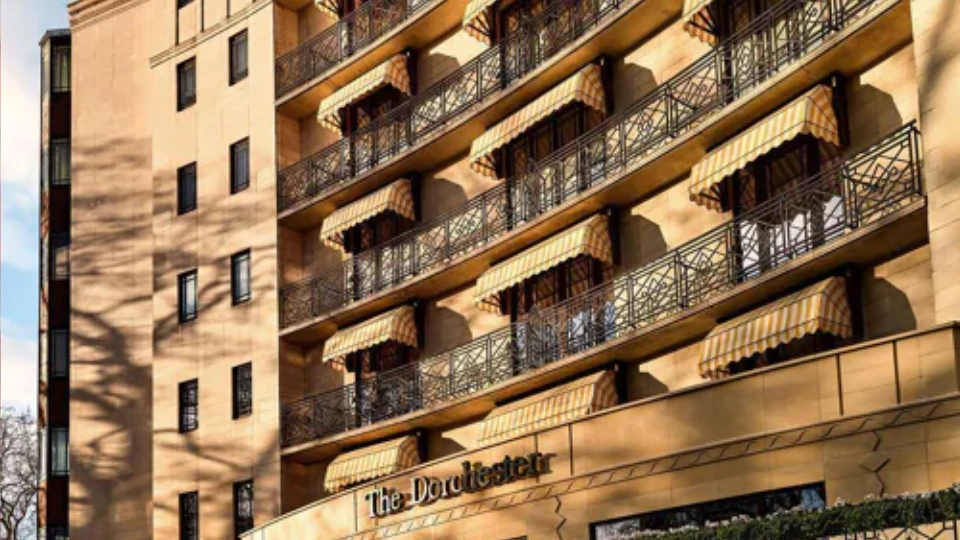
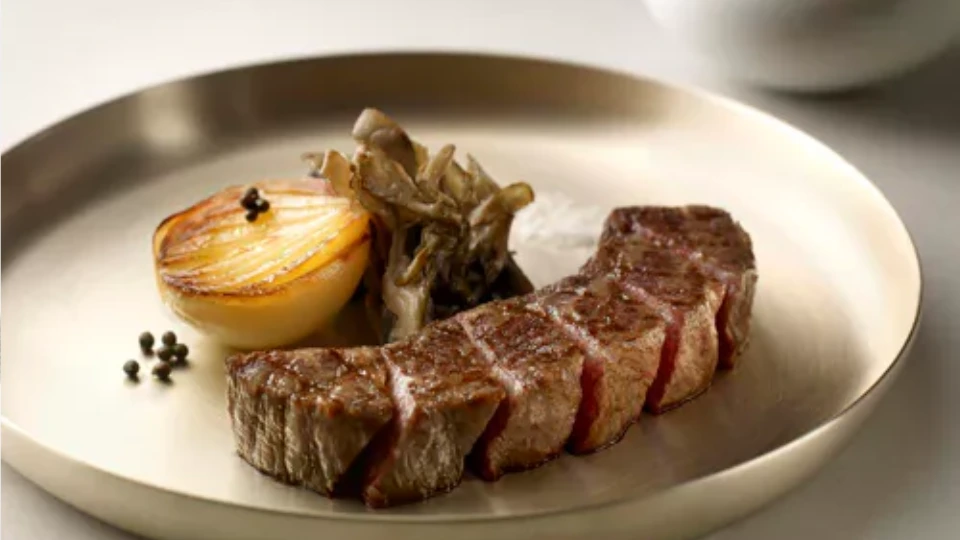
This restaurant successfully attained 3 Michelin stars thanks to its exceptional cuisine! The Alain Ducasse restaurant is a part of The Dorchester hotel in London, where you’ll also be able to try its signature, Rum Baba!

La Brezza (2 Michelin Stars)

la brezza michelin restaurant tschuggen grand hotel switzerlandA dish from La Brezza restaurant. (via Michelin guide)

La Brezza takes place within the Tschuggen Grand Hotel in Switzerland, which is perched at 1,800 meters above sea level. This restaurant puts freshness and quality of dishes as a top priority, so it’s no wonder that it was granted 2 Michelin stars!

La Yeon (2 Michelin Stars)

la yeon michelin restaurant at the shilla hotel seoul south koreaA dish from La Yeon restaurant. (via Michelin guide)

You will discover traditional Korean cuisine with a contemporary touch here! La Yeon offers the stunning scenery of Namsan Park, fine tableware, and attentive restaurant service that will satisfy customers to the fullest. You can visit this 2-Michelin-starred restaurant on the 23rd floor of The Shilla Hotel in Seoul, South Korea!

LeMontBlanc (1 Michelin Star)

lemontblanc michelin restaurant at lecrans hotel switzerlandA sky view from LeMontBlanc restaurant. (via Michelin guide)

LeMontBlanc is a 1-Michelin-starred restaurant located in the LeCrans hotel in Switzerland. Its panoramic view of the Swiss Alps, added to its high-quality cooking and professional service, make the dining experience at this restaurant worth it!

How do restaurants impact hotels?

The existence of restaurants in hotels is essential as food and beverages are necessities for hotel guests. Restaurants’ role is to provide that necessity through their service, whether by serving the guests in place or delivering the food to guests’ rooms. Any type of restaurant may fit in a hotel, but luxurious 5-star hotels often opt for fine dining restaurants as the provider of food and beverage service.

A well-managed restaurant with quality dishes and services will undoubtedly attract guests and leave them with positive memories about both the hotel and the restaurant. Thus, restaurants have a big impact on hotels, as they are one of the pieces that keep the hotel’s operation running smoothly.

Wrapping Up

The long history of restaurants has undoubtedly impacted and shaped the food and beverage industry as we know it today. The invention of various restaurant types also transitioned these establishments into something more than just public eateries. Their contribution to our daily lives has become more important than ever before as they function as places of socializing, display of status, cultural heritage, and more.

Additionally, restaurants are one of the important aspects of the hospitality industry as they improve guest satisfaction by providing exceptional dining experiences along with exclusive delicacies! Since RMC Asia has been collaborating with 5-star hotels and resorts across Asia, we know that their high-end restaurants are always on the lookout for F&B and culinary talents to join their team. Therefore our mission is to simplify the process for both hotels and young professionals through our internship and management training programs and allow them to achieve their goals smoothly!

Our programs combine a practical work environment with exceptional cultural exchange experience to provide participants with opportunities for self-development and valuable skills for their future careers! The variety of our program destinations will also be a great choice for students and recent graduates looking for challenges in exciting and dynamic settings across Asia.

Join us to kickstart your career in Michelin-starred hotel restaurants now!

Recommended: The Luxurious History of 5-Star Hotels

Journey Through Dine-In History: The Birth of Restaurants Read More ยป

Atlantis The Palm Hotel Dubai UAE

The Luxurious History of 5-Star Hotels

A 5-star hotel is a luxurious establishment that provides the highest level of services, which include a range of premium amenities and lavish accommodations. Due to the luxury and exclusivity of the services, 5-star hotels are typically expensive, which is why their target market is usually high-end customers.

In the past, such deluxe lodging initially became popular during the Golden Period of the 1800s, when luxury hotels for nobles began to develop. Larger, more luxurious, and modern hotels continued to grow rapidly in the 20th century, and it wasnโ€™t until the 1950s that the concept of the star rating system for hotels was introduced, thus being recognized as a commonly used benchmark to determine the quality of hotels until today.

Our article here will take you through an exploration of the origins of 5-star hotels, starting with the history of luxury hotels and the birth of the star rating system to the iconic 5-star hotels throughout the history of hospitality. Get ready, because we are about to delve into the fascinating world of 5-star hotels!

The History of Luxury Hotels

Similar to their modern-day successors, luxury hotels of the past provided exclusive services for their guests. However, there are differences that distinguish them from modern luxury hotels. The development of luxury hotels dates back to the 1800s, and at that time, much of the architecture and service of luxury hotels were heavily influenced by the nobles’ private residences.

For instance, many luxury hotels in this era tried to give their noble guests the comfort of their own homes by allowing them to bring their personal staff. This resulted in those luxury hotels reducing their services to mostly cooking services, as waiters, wardrobes, and room services were provided by the guests themselves.

wardrobe service in old luxury 5 star hotelA picture of wardrobe service in an 1800s luxury hotel. (via Italia Convention)

Since guests mostly served themselves using their own staff, the service experience was more personalized and unique at some points. Take the food and beverage service as an example. While the hotel was the one to provide dishes, the guests had their own waiters to serve them. These waiters used a bell to call their masters to dine, and the guests would then sit at the same long table. This system was known as ร  table dโ€™hรดte, which means that everyone seated at the same table ate what was offered, just like at home. Back then, this was considered a real luxury.

In the following years, the second industrial revolution (1870) influenced the growth of hotels. Various luxury hotels were established, such as the Raffles Singapore (1887) and the Savoy (1889). Luxury hotels of this era offered a new type of luxury service and no longer adopted the previous, inefficient service systems.

Years progressed, and more luxury hotels were established. Many of them were able to survive difficult circumstances with the help of innovative technology. To this day, these luxury hotels continue to maintain their existence in the hospitality industry.

The Birth of Hotelsโ€™ Star Rating System

5 star hotel rating systemA sign of 5-star hotel.

It started in 1958 when Mobil Corporation’s product, Mobil Travel Guide (now Forbes Travel Guide), used anonymous inspectors to assess hotels based on a set of criteria and allocate their ratings with stars. This method was then known as the hotel star rating system, with a rating range of 1-star for the lowest to 5-star for the highest. Each star rating is described below:

  • 1-star: This means the hotel only offers the most basic accommodations, such as a room, a bed, a bathroom, and very little else.
  • 2-star: The hotel provides essential accommodations like a 1-star hotel, but a 2-star hotel may have more complete services and facilities, such as a front office or TV in the guest room.
  • 3-star: The service is more complete, the guest rooms are larger, and they are well furnished. Hotels at this rating level may provide additional facilities like swimming pools or public WiFi, and some hotels tend to be part of famous hotel chains as well.
  • 4-star: A 4-star hotel offers an exceptional guest experience. The large and lavish guest rooms, along with other additional amenities, are at a higher level than 3-star hotels, and customer service becomes a top priority.
  • 5-star: This rating is given to the best hotels only. Services and facilities at a 5-star hotel are at the highest level of quality, and the building usually has an outstanding design.

In some countries, the star rating system is governed by their hotel industry association; Germany is a perfect example. There are others that use a different rating system, such as rating by letters, with “A” being the highest grade and “F” being the lowest.

Although there is no international standard for hotel star ratings, this hotel rating system is still the most common evaluation system used for hotels. The hotel star rating system plays an important role in customers’ decision-making by providing them with insights on facilities, services, prices, and other aspects that help them choose a hotel that fits their criteria.

5-Star Hotel Facilities and Services

As the name implies, a 5-star hotel sets high standards in every aspect of its facilities and services to provide guests with the luxurious experience they expect. These qualities are what set them apart from lower-rated hotels, hence putting them at the top of the star rating system. Generally, the facilities and services in a luxurious 5-star hotel are as follows:

Facilities

swimming pool in luxury 5 star hotelSwimming pool, one of common facilities in 5-star hotels.
Ever since 5-star hotels were first established, they have always provided a wide variety of lavish facilities for guests to enjoy. Below is a list of several common facilities found in many 5-star hotels.

  • Sauna or spa
  • Ballroom or auditorium
  • Car parking
  • Gym or fitness center
  • World-class restaurant
  • Heater or air conditioning facilities
  • Swimming pool (some 5-star hotels provide private swimming pools)
  • Guest rooms with elegant decoration and premium facilities, such as top-quality beds and private bathrooms with jacuzzi

Each 5-star hotel may have a different version of these facilities, and there might be other specific facilities provided by a 5-star hotel that cannot be found in its competitors. Nonetheless, all 5-star hotels are determined to present guests with the finest facilities!

Services

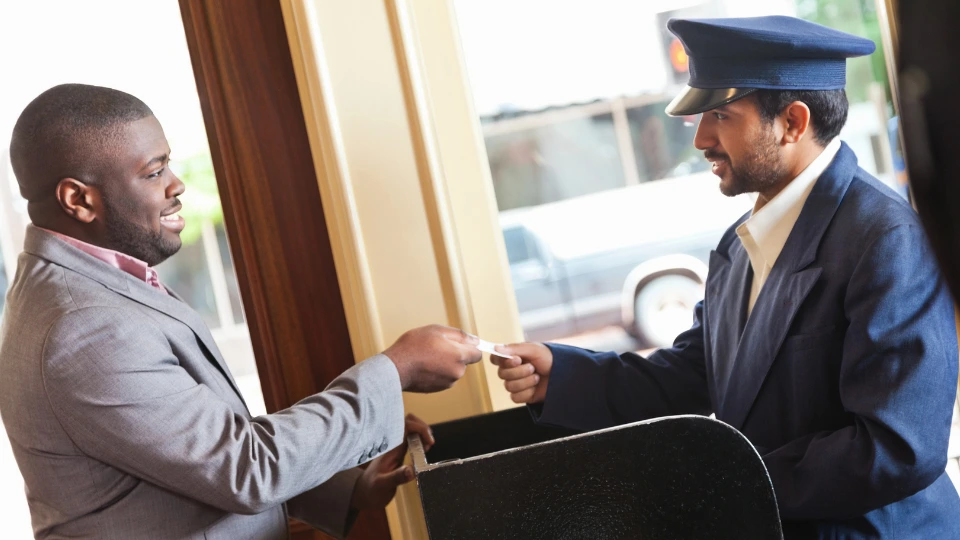
valet service or car parking in hotelValet, one of regular services in 5-star hotels.
Services in a 5-star hotel must be consistent and exceptional, as the objective is to satisfy guests with positive experiences during their stay. Since long ago, this characteristic of high-quality services has set 5-star hotels apart from those with lesser ratings. Typically, some of the usual services in luxurious 5-star hotels are listed below.

  • 24/7 room service
  • Luxury concierge service
  • Medical service
  • Valet service
  • Laundry service
  • Money exchange service
  • On-call transportation service
  • Phone, fax, email, or other communication services

In order to deliver excellent services for guests, 5-star hotels train their employees to be able to anticipate and meet guests’ needs. These employees work together to support seamless day-to-day operations at 5-star hotels by fulfilling their duties in each other’s hotel departments!

Iconic 5-Star Hotels in Hospitality History

Luxurious 5-star hotels have been around since the 1800s, and they have continued to grow and innovate up until now. Some old 5-star hotels are still in operation, and there are newer 5-star hotels with distinctive features that make these hotels iconic. Scroll down to see our compilation of iconic 5-star hotels that color up the history of the hospitality industry!

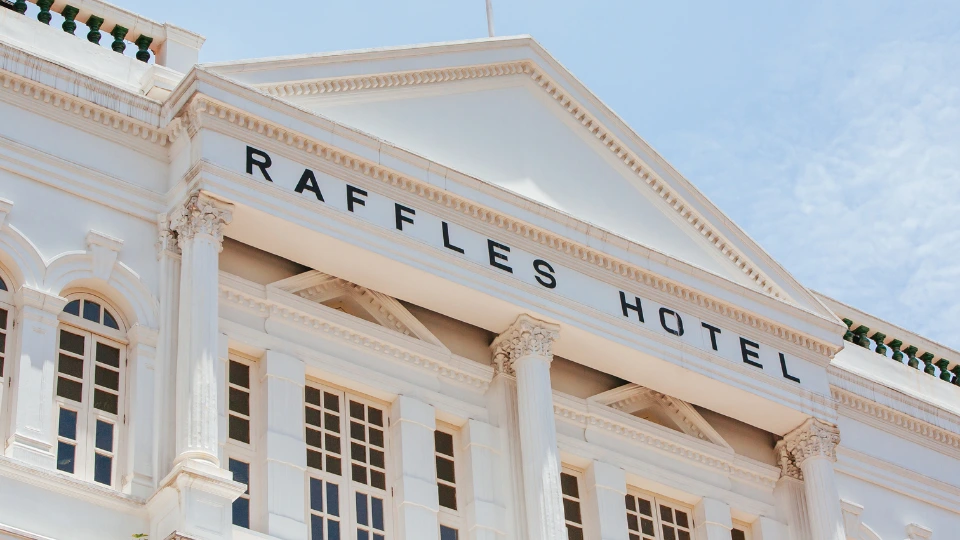
Raffles Singapore (1887)

raffles hotel in singaporeRaffles Singapore hotel.

Inaugurated in 1887, Raffles Singapore is among the oldest luxurious hotels that continue to thrive in this era. The hotel has survived many hardships, ranging from World War II to COVID-19. Now, Raffles Singapore is known as one of the most prestigious 5-star hotels in the world.

The Savoy (1889)

entrance of savoy hotel london united kingdomThe entrance of the Savoy hotel. (via The Savoy London)ย 

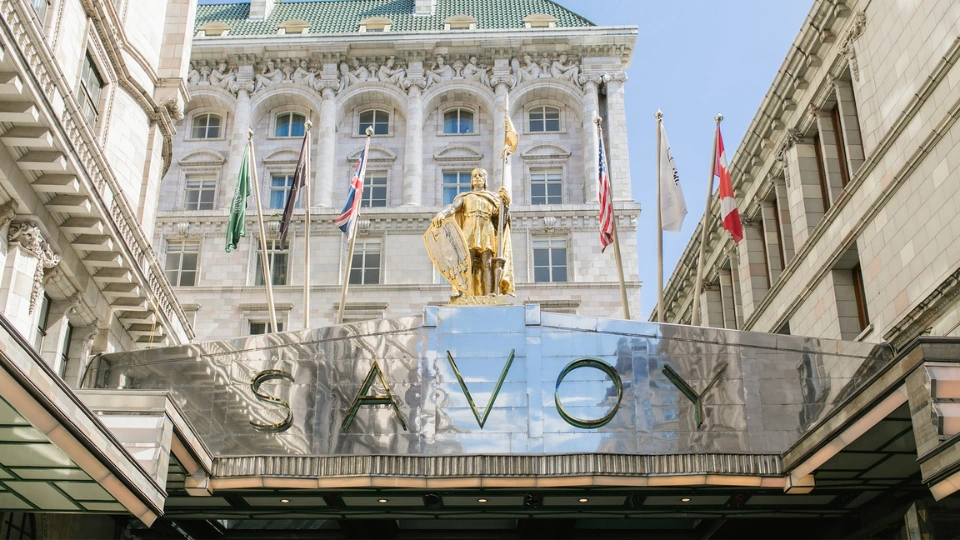
The Savoy was built by Richard D’Oyly Carte, a theatrical impresario who also built the Savoy Theatre (1881). Located in London, the Savoy was the first luxury hotel established in England and continues to serve lavish services as a 5-star hotel to this day.

Four Seasons (1960)

four seasons hotel in doha qatarOne of Four Seasons’ 5-star hotels in Doha. (via Four Seasons)
Four Seasons is a Canadian-based luxury hotel company established in 1960. Ever since then, this company has been consistently providing high-quality services for its guests through its wide variety of 5-star hotels, which are available in many countries.

The Ritz-Carlton Hotel Company (1983)

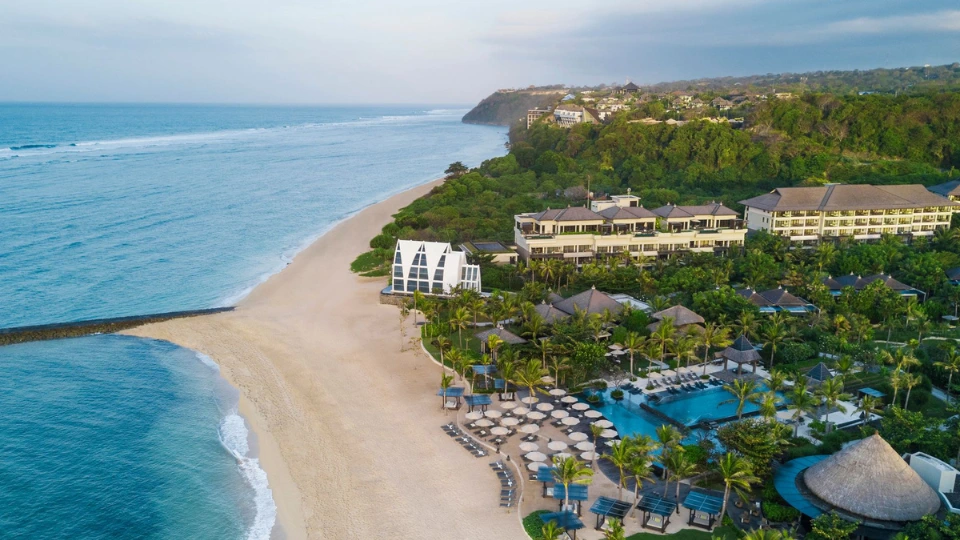
ritz carlton nusa dua baliThe view of a Ritz-Carlton hotel in Bali. (via The Ritz-Carlton)
Although there were several hotels that went by The Ritz-Carlton name in the United States, it wasn’t until 1940 that The Ritz-Carlton in Boston was the only one that continued to operate. In 1983, The Ritz-Carlton Hotel Company was formed, and it expanded to 23 luxury hotels in 1992. Since 1998, The Ritz-Carlton Hotel Company has been a part of Marriott International, one of the biggest multinational companies in the hospitality industry.

Burj Al Arab (1999)

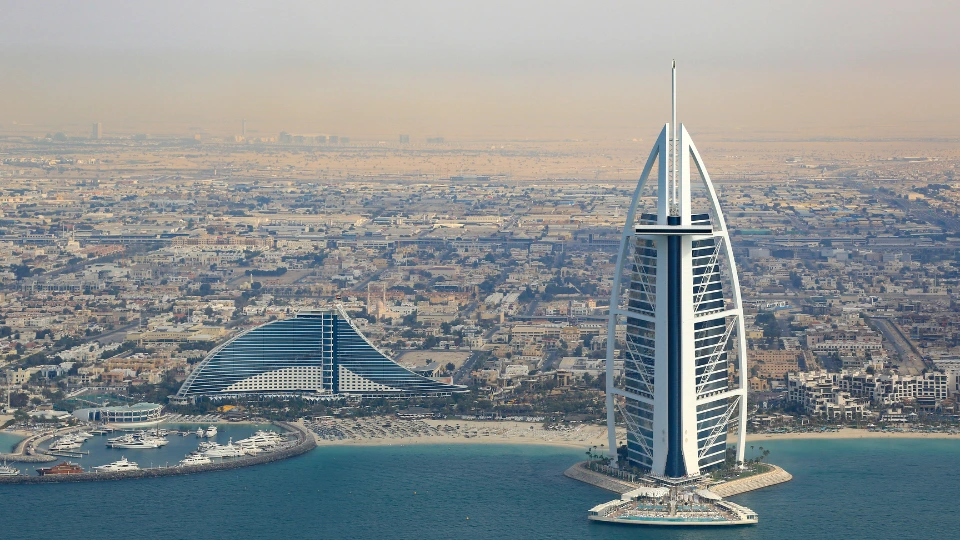
burj al arab dubai UAEBurj Al Arab, a famous 5-star hotel in UAE.

This iconic hotel was first inaugurated in 1999 and is renowned as the tallest 5-star hotel in the world. It stands at 321 meters tall and is built on a man-made island off Dubai’s coastline. Its unique design that resembles a billowing Arabian dhow sail makes Burj Al Arab one of the most famous landmarks in the UAE!

Wrapping Up

Just like their predecessors in the past, luxury hotels are dedicated to fulfilling guests’ expectations of grand service and making the most of their experiences. Magnificent designs or a large number of rooms are not enough to earn a 5-star title, as the hotel and its employees must also be able to meet guests’ needs through excellent delivery of exceptional services.

Five-star hotels have always been one of the hospitality industry’s pillars as it has a huge impact on economy by generating revenue and creating employment opportunities. Speaking of the latter, RMC Asia has partnered with 5-star hotels and resorts across Asia since 2014 to provide internship and management training programs for talents who wish to join the professionals of the hospitality industry!

Our programs give participants self-development opportunities and invaluable skills for their future careers through a mix of real work experience and unique cultural exchange! With various internship destinations across Asia, our program would be a perfect choice for students and recent graduates who are looking for challenges in dynamic environments.

Join us now to start your own successful career in 5-star hotels!

Recommended: The 100-Year Timeline of Hotel History

The Luxurious History of 5-Star Hotels Read More ยป

Scroll to Top

This website uses cookies to ensure you get the best experience on our website. Learn more about our privacy policy.