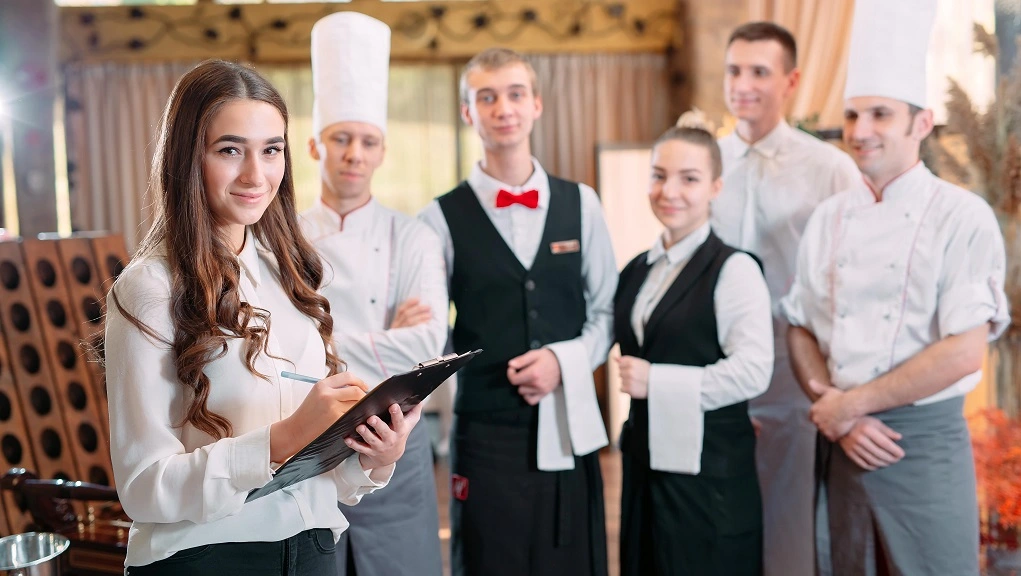
Hospitality Industry

Vietnam: A Dream Destination for Work and Travel

Vietnam, a country rich in history, culture, and natural beauty, is emerging as a compelling destination for those seeking international work opportunities in the hospitality industry. 

Although best known for its nature – from its renowned beaches and expansive rice paddies to snow-capped mountains (yes, really!) – the Southeast Asian country offers far more than that. For ambitious young professionals, Vietnam’s vibrant energy creates a unique blend of career development and cultural immersion.

It also presents an exciting opportunity to contribute to Vietnam’s burgeoning hospitality and tourism industry, which has seen a post-COVID surge and rapidly regained its position as one of Asia’s top destinations.

A Landscape of Opportunity.


The Vietnamese hospitality ecosystem is far-reaching and versatile. From luxury resorts nestled in stunning coastal scenery to cozy boutique hotels tucked away in quaint historic towns, there are ample opportunities for visitors to explore – and for aspiring hospitality professionals to kickstart their careers and thrive.

Luxury Resorts. 

With destinations like Saigon, Ha Long Bay, and Da Nang drawing visitors from around the world, luxury resorts in Vietnam offer an excellent environment for hospitality professionals to hone their skills. Managing operations in these establishments provides a chance to cater to diverse guests while experiencing firsthand the intricacies of high-end hospitality management.

Boutique Hotels. 

In charming towns like Hoi An (Hội An) and historical cities such as Hue (Huế), boutique hotels offer a more intimate and personalized experience for guests. Working here allows hospitality professionals to immerse themselves in the local culture and create memorable experiences for visitors seeking authenticity and charm.
Sustainable Tourism. 

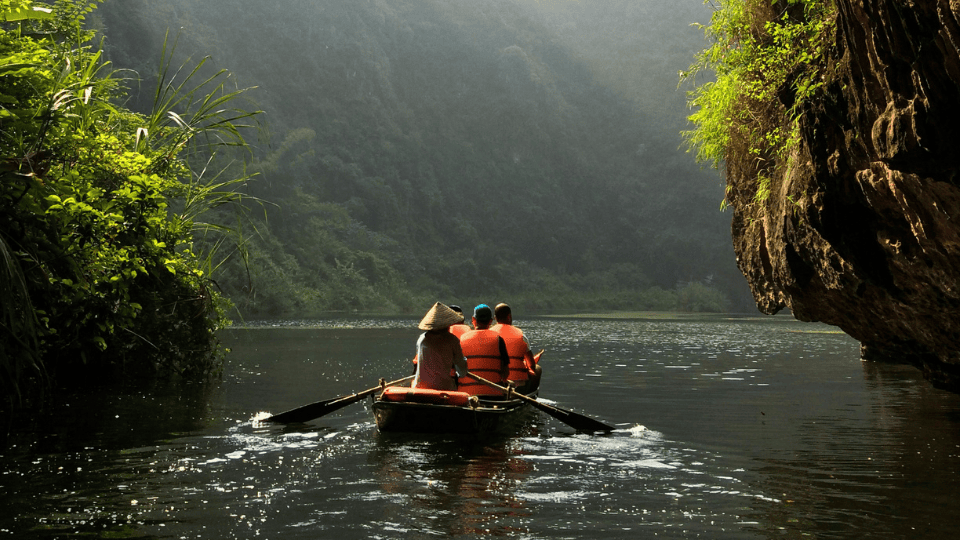
Vietnam is experiencing a growing interest in eco-friendly tourism, with initiatives to reduce environmental impact and support local communities. For the environmentally conscious, places like Sapa and Phu Quoc (Phú Quốc) offer opportunities to get involved in projects focused on responsible travel and cultural preservation.

Budget-Friendly Paradise.


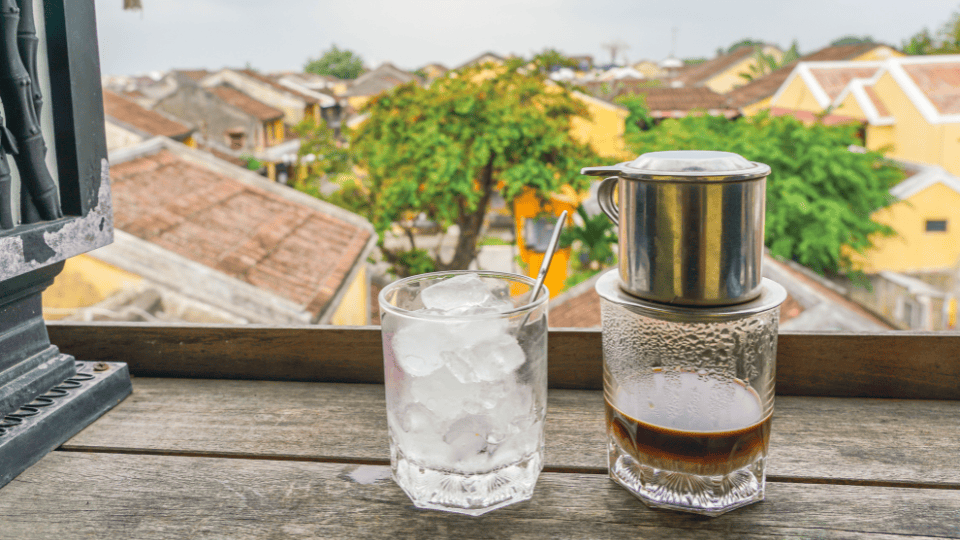
Living in Vietnam is surprisingly affordable, making it an attractive option for young professionals looking to stretch their budgets while still enjoying a high quality of life. This means you can explore the country, sample the diverse and delicious local cuisine (favor a refreshing cà phê sữa đá or a crunchy bánh mì?), and fully immerse yourself in the Vietnamese way of life.
So, how much does it cost to live in Vietnam?


  • Housing. If you’re looking to rent a studio or shared apartment, expect to spend around $150 to $200 (USD) each month living in a smaller town, or up to $350 if you’re based in a larger city like Hanoi or Ho Chi Minh. However, if you’re heading to Vietnam for an internship or contractual position, don’t worry too much about accommodation – the host organization will often provide that!


  • Food & Leisure. Groceries may cost you up to $100 per month, depending on your lifestyle. Food is fairly affordable at local cafes and restaurants (you can grab a meal for as little as $2), and if you enjoy eating out for dinner, socializing with drinks, or going out with friends for movies and other activities, you could spend another $150-200 on entertainment.


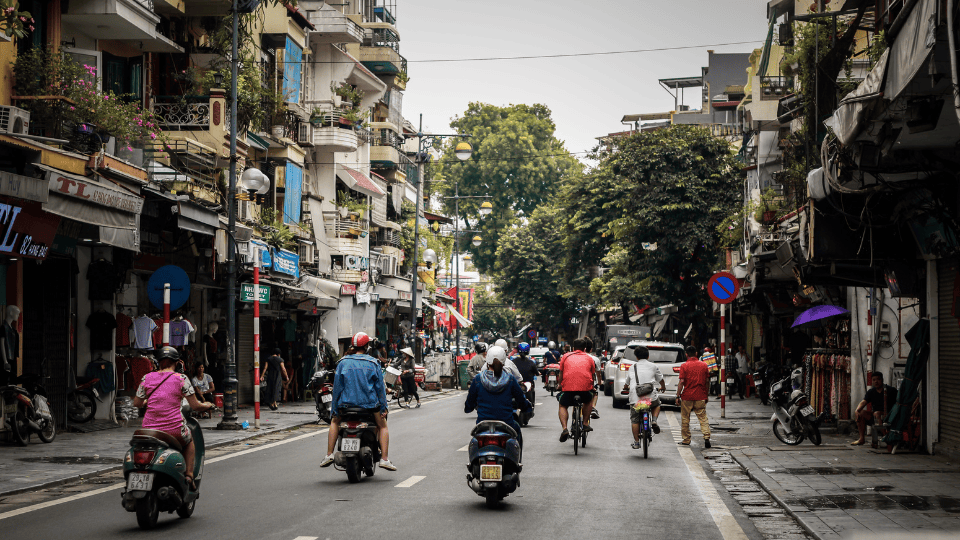
  • Transportation. Depending on whether you plan to use public transport, taxis, or purchase (or rent) a motorbike, transportation costs will vary. You can get a monthly bus pass for about $8 (one-time tickets start at $0.25), buy a second-hand bicycle starting from $25, or rent a motorbike for $40/month (plus about $10 monthly for gas). Vietnam has one of the highest numbers of motorcycles in the world, and both locals and expats often take motorbike taxis (fares start at $0.50 and increase based on distance and demand).
Planning a trip to Vietnam? We’ve compiled some tips in our handy guide, Visiting Vietnam: A Brief Travel Guide

Choose Your Adventure.


Vietnam’s vivid culture and colorful landscapes cater to a variety of personalities, ensuring that each individual can find their ideal fit. Where would you like to head next? 

Hanoi.

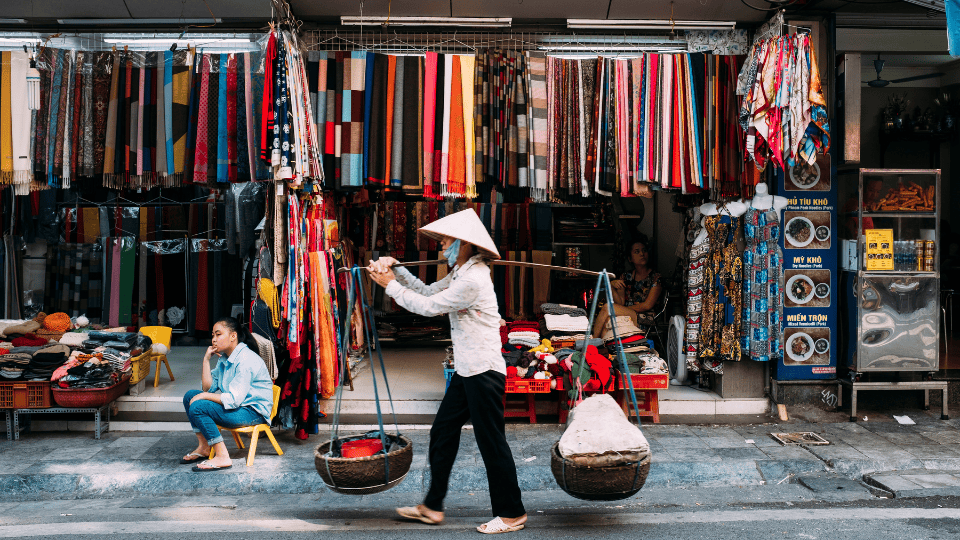
The capital city, Hanoi, is best known for its lively energy and rich cultural heritage that fuses historical landmarks and modern dynamism. Here, visitors can dive into the chaos of the Old Quarter, where narrow alleys are filled with street food vendors and colonial buildings influenced by the French, or explore the many ancient temples inspired by Chinese and Southeast Asian cultures.
 

Ho Chi Minh.

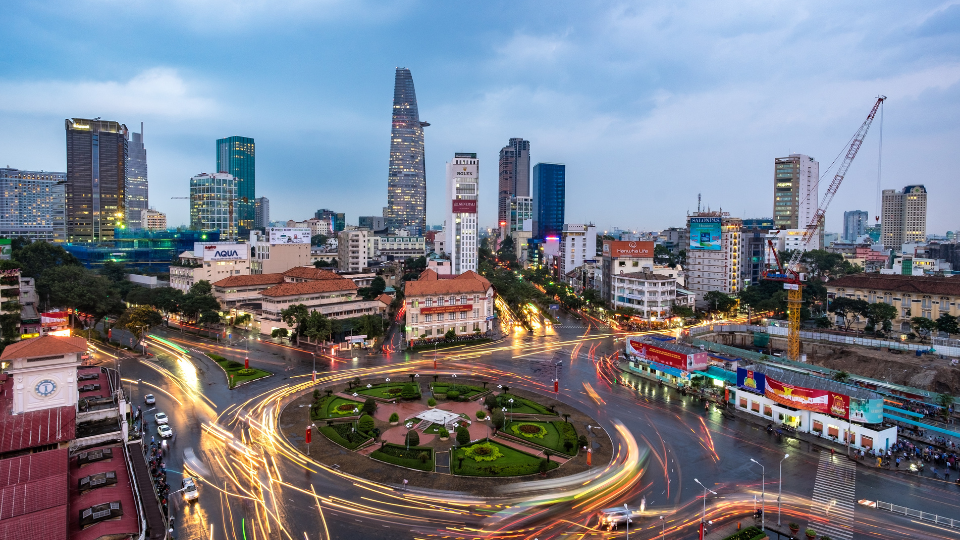
Ho Chi Minh City (Hồ Chí Minh), commonly known as Saigon, is the largest (and busiest!) city in Vietnam. Brimming with life, Saigon presents a captivating contrast – ancient temples standing alongside sleek skyscrapers, quiet streets with colonial architecture, and a thriving nightlife scene. Visit the Notre Dame Cathedral of Saigon, an emblematic and beautiful 19th-century church built by the French, shop at the famous Bến Thành Market, and then unwind with rooftop drinks overlooking the city skyline.
Hoi An.

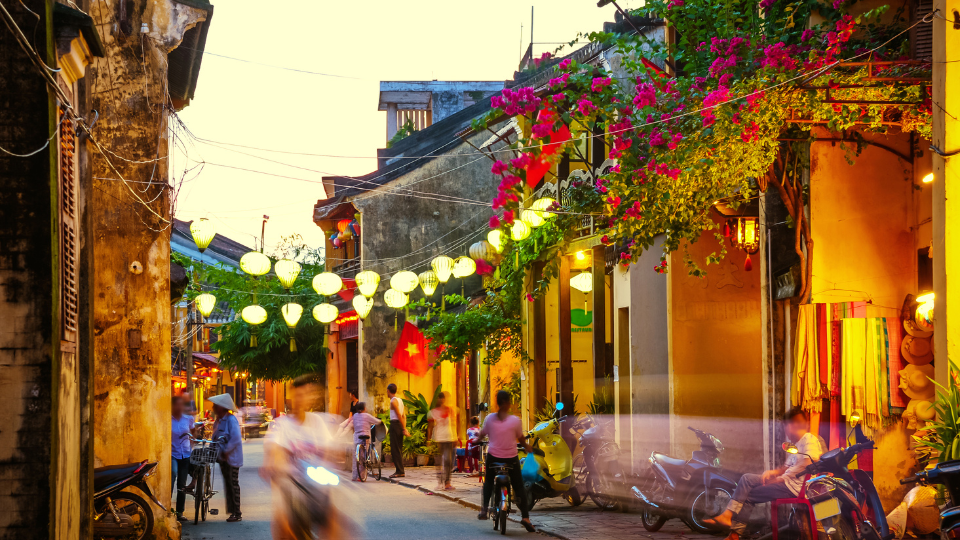
For those seeking a more intimate charm, Hoi An (Hội An) offers a timeless experience. Enchanting and historic, Hoi An is perfect for those seeking a more peaceful and walkable environment, where you can get lost in a maze of alleyways, visit cultural landmarks, and indulge in the city’s renowned cuisine. Step back in time and wander through the narrow streets lined with traditional wooden houses, lanterns, and centuries-old temples. 
Da Nang.

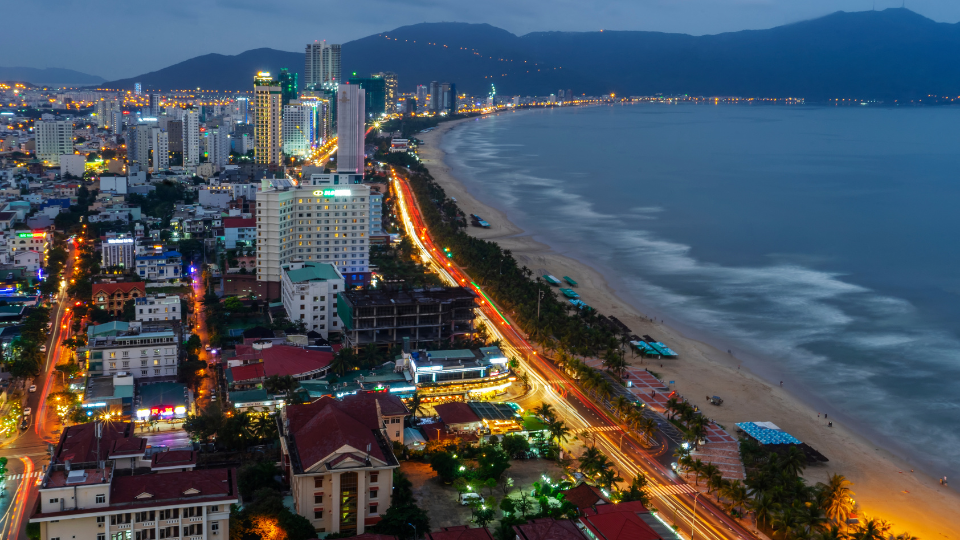
And for those yearning for sun and sand, Da Nang (Đà Nẵng) invites visitors with its beachside haven surrounded by mountains. Luxury resorts and breathtaking coastal views provide the perfect backdrop for relaxation, while the city itself offers a cosmopolitan twist. Relax on the pristine beaches of My Khe, explore the Marble Mountains, or take a day trip to the ancient town of Hue, a UNESCO World Heritage Site.

Gain Experience and Explore. 


One of the best aspects of pursuing a work position or an internship abroad is the ability to balance professional growth with adventure and discovery in a new place. This is certainly a highlight of living in Vietnam, where there is no shortage of cultural landmarks, hidden gems, and landscapes.
 

Working in Vietnam’s hospitality industry also offers a dynamic learning environment where young professionals can refine their skills and expand their knowledge. Whether it’s mastering the art of customer service or developing expertise in hotel management, each day presents new challenges and opportunities for growth.

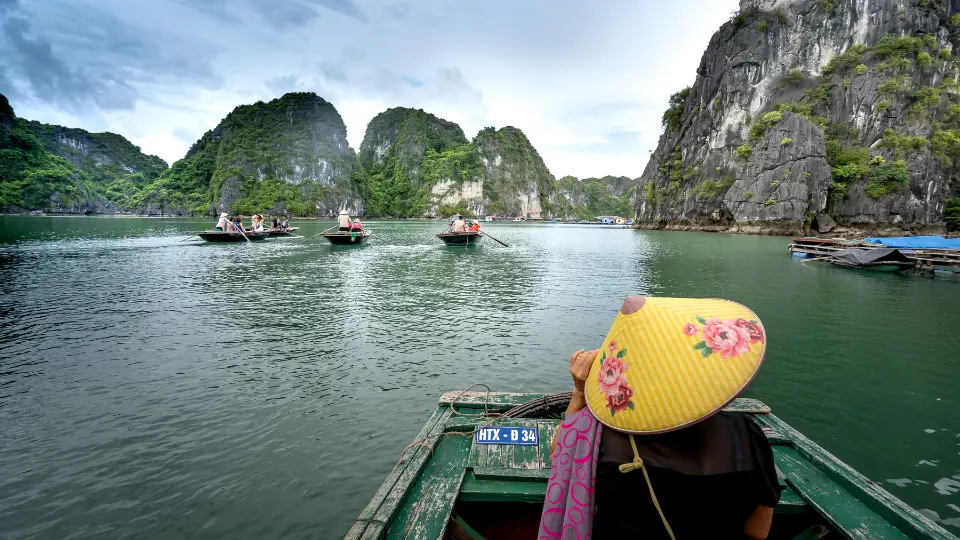
Beyond the bustling cities and tourist hotspots, Vietnam is home to a wealth of places waiting to be discovered. Trek through Sapa’s rice terraces, discover the ancient ruins of My Son, or kayak through the crystal-clear waters of Ha Long Bay. Weekends can become an opportunity to delve into Vietnam’s rich selection of experiences for those willing to venture off the beaten path.
Ready to take the next step?


Are you looking to balance your internship or job with accessible and unforgettable travel experiences?
Vietnam offers the chance to embark on an exciting journey — not just for your resume, but for your personal and professional growth. 

Gain hands-on experience in your field, connect with industry insiders and international peers, and build a solid foundation for future career growth and development.

If you’re ready to step outside the ordinary and embrace the possibilities in the heart of Southeast Asia, browse our programs in Vietnam, and discover how you can propel your global hospitality career forward.


For more Vietnam travel tips, read about the 14 Must-Venture Vietnam Destinations for Urban and Nature Tours!

Vietnam: A Dream Destination for Work and Travel Read More »

Exploring Springtime Splendor: Cultural Highlights in Asia

Here at RMC Asia, we’re dedicated to curating enriching educational travel programs that immerse participants in the vibrant cultures of Asia.

As spring unfolds across the region, it brings a renewed sense of energy and celebration to some of our favorite destinations in Asia. It’s also the perfect season to embark on (or start planning!) an educational or working travel adventure. 

Let’s delve into the unique charm of three of our most sought-after destinations: Thailand, Vietnam, and Hong Kong.

Thailand: Embracing Spring Vitality.


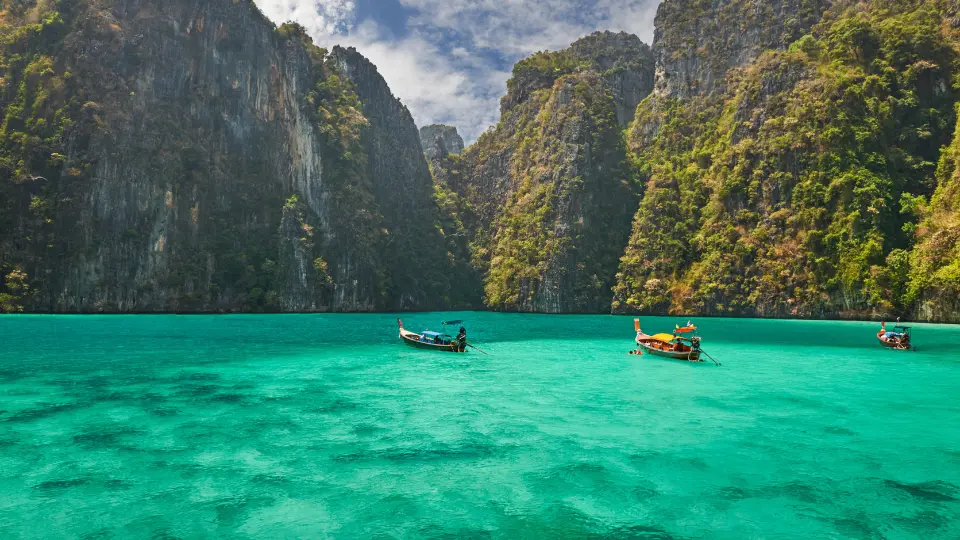
Thailand, the eighth-most popular tourist destination globally, owes its popularity to its vibrant culture, delectable cuisine, and breathtaking landscapes. Thai spring is a symphony of colors, fragrances, and festivities, making it an ideal backdrop for cultural exploration. 

Central to this season is the iconic Songkran Festival, celebrated in mid-April. This occasion marks the Thai New Year with traditional rituals, joyful water fights, and family reunions. The streets come alive with laughter and music as locals and visitors alike partake in this celebration of renewal.

In addition to the festivities, spring enriches local sights and attractions. For instance, historical landmarks like the Grand Palace and Lumphini Park in Bangkok offer captivating insights into Thai heritage against the backdrop of lush gardens and blooming flora.

Industry Highlights.

  • Easier Visits? Good news: from March 1, 2024, no visas are required for travel between Thailand and China! The two nations have agreed to lift visa requirements for tourists to promote tourism and speed up the pace of post-pandemic recovery in the Thai tourism industry. Chinese travelers make up one of the largest portions of foreign arrivals in Thailand. 

  • Lively Hotel Landscape. The Thai hospitality sector is poised for significant growth this year, with major hotel chains like Centara Hotels & Resorts and Minor International leading ambitious expansion projects. This influx of investment has opened up opportunities not just for tourism, but for employment.
  • Tourism Recovery. Overall, 2024 is set to be another positive year for the Thai tourism industry, with growing visitor numbers from around the world. In line with global trends, Thailand is embracing sustainable tourism practices, promoting responsible and high-value travel, and aiming to preserve the country’s natural and cultural heritage.

Cultural Immersion.

  • Culinary Exploration. Spring brings a bounty of fresh produce to Thai markets. Visitors can immerse themselves in a hands-on cooking class and learn to prepare traditional dishes using seasonal ingredients like mangoes, jackfruit, and fragrant herbs.
  • Connecting with Nature. Thailand’s lush landscapes and famed coastlines come alive in spring. From hiking trails through the jungle to spectacular, world-renowned beaches, there are endless opportunities to enjoy the region’s biodiversity.
  • Wildlife Encounters. Spring is a great time to learn about Thai culture and wildlife conservation efforts by visiting ethical elephant sanctuaries. Visitors can observe these gentle giants in a natural environment, learn about conservation efforts, and contribute to their well-being.

Vietnam: Tranquility and Blossoming Culture.


Vietnam is another much-loved destination for visitors from around the world. The nation is known for its charming landscapes and friendly people, but it is also a strategic location for work and travel! 

Spring in Vietnam is a season of gentle warmth and cultural vibrancy. Tết Nguyen Dan, the Vietnamese Lunar New Year (usually late January to February, before the beginning of spring), ushers in a season of renewal and prosperity.

Local landmarks like the Temple of Literature in Hanoi or the green hills of Sapa become even more picturesque with spring growth. From bustling city streets full of festive decorations to serene countryside landscapes, the country radiates a sense of warmth and vitality.

Industry Highlights.

  • Visa Benefits. Vietnam continues to expand its visa waiver program, making it easier than ever for visitors from over 20 countries and key markets like Europe and China to discover its wonders. With extended stays (now up to 45 days!), tourists can explore Vietnam’s rich culture and diverse landscapes without the hassle of visa restrictions.
  • Bustling Hospitality. The hospitality sector in Vietnam is flourishing, driven by a surge in tourist arrivals and infrastructure investments. From luxury resorts to boutique hotels, the country offers a range of accommodations to ensure a memorable stay. Whether along its stunning coastline (such as Hạ Long Bay and Phú Quốc) or in one of its urban centers (from Ho Chi Minh and Hội An to Hanoi, and more), there is something to suit every preference.
  • Diversifying Tourism. Vietnam is embracing industry trends by opening its tourism offerings to include niche markets such as experiential, wellness, and eco-tourism. Whether you’re seeking a cultural immersion experience, a wellness retreat in the mountains, or an eco-friendly adventure in the countryside, Vietnam has something for everyone.

Cultural Immersion.

  • Spiritual Retreats. Vietnam is known for its religious landscape, tranquil temples, and spiritual retreats. From the ancient wonders of Huế’s Imperial City to the serene beauty of Thien Mu Pagoda, these sacred sites offer a sanctuary for contemplation amidst the hustle and bustle of modern life.
  • Experience Authenticity. Travelers can step into the heart of Vietnamese culture with homestay tours and programs in delightful rural towns and villages. These experiences offer a unique opportunity to connect with local communities, learn about traditional customs, and savor home-cooked meals. 
  • Kayaking Adventures. The calm waters of Ha Long Bay are ideal for kayaking in spring. Visitors can explore hidden coves, marvel at the majestic limestone formations, and witness the diverse marine life thriving in the warmer waters.

Hong Kong: Springtime Charm and Urban Energy.


Hong Kong is a city where modernism fuses with tradition, and cultures from around the world merge together in harmony. It is also a top destination for those seeking a multicultural, high-potential working environment!

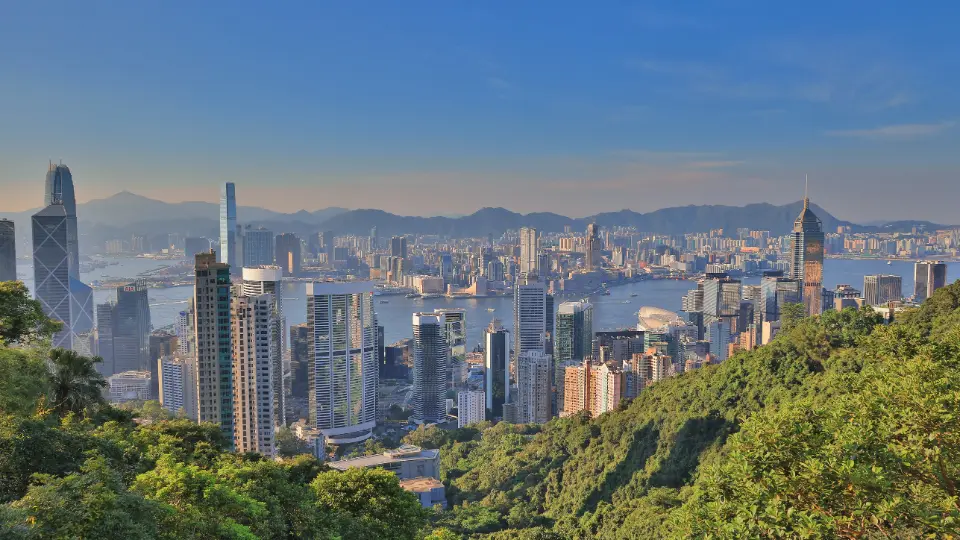
Hong Kong’s dynamic blend of East and West comes alive during spring, creating a captivating mix of natural beauty, cultural heritage, and urban sophistication. Victoria Peak, Hong Kong’s highest point, offers breathtaking views of the cityscape adorned with spring flowers. Temple Street Night Market comes alive with even greater energy as locals celebrate the season with vibrant displays and lively performances. 

From scenic hikes overlooking the city skyline to traditional festivals celebrating the season’s bounty, there’s no shortage of experiences to inspire and delight visitors.

Industry Highlights.

  • Tourism + Business. As spring arrives, Hong Kong is bustling with a flurry of events, from business conferences to cultural festivals — all attracting international travelers for both work and leisure. With over 80 key events scheduled in the first half of 2024 alone and flight capacity increasing, hotel occupancy is also expected to rise. 
  • Iconic Hospitality. Hong Kong’s hotels attract visitors worldwide with their luxury and allure. From the legendary Peninsula Hong Kong to the sleek Ritz-Carlton and Rosewood Hong Kong (which is second on the list of The World’s 50 Best Hotels, and named the Best Hotel in Asia 2023), these quintessential spots are the epitome of top-tier hospitality. 
  • Inviting Global Talent. Hong Kong offers a unique working visa initiative, the Top Talent Pass Scheme (TTPS), which aims to attract and retain professionals from other countries. The program targets high-earning individuals and graduates from top universities, granting them opportunities to work in the city for up to two years. This is ideal for those seeking permanent employment in Hong Kong!

Cultural Immersion.

  • Hiking Adventures. Despite being a dense urban jungle, Hong Kong boasts a network of scenic hiking trails. Spring offers the perfect weather to explore Dragon’s Back, a ridge with panoramic views of the South China Sea, carpeted with wildflowers during this season.
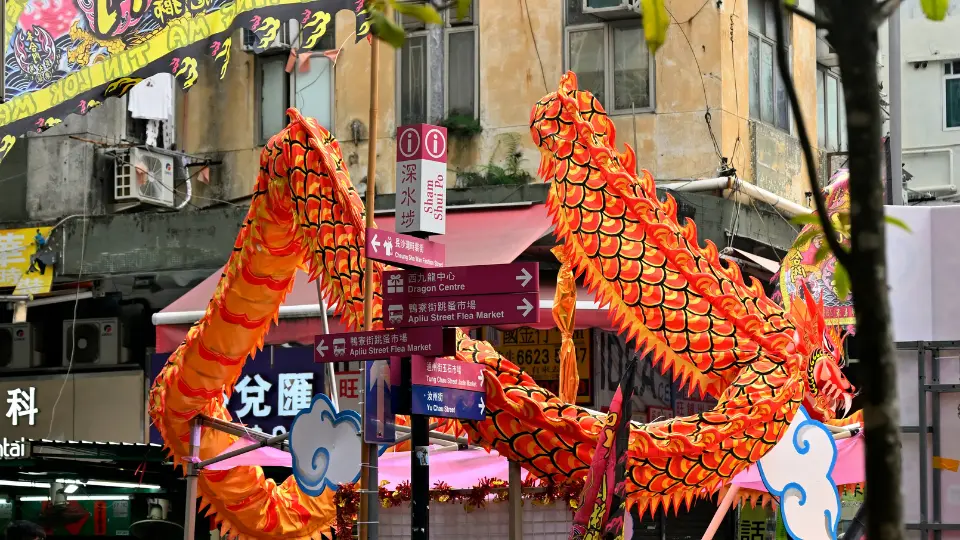
  • Cultural Fusion. Spring often coincides with various cultural festivities in Hong Kong, from the Chinese Ching Ming festival to Easter. Visitors can witness traditional events and customs, vibrant parades, and art exhibitions celebrating the season’s beauty.
  • Gastronomic Delights. Hong Kong’s rich culinary scene blends traditional flavors and modern innovations to create a gastronomic paradise, and it is a must to explore during the spring season. From street food stalls serving local delicacies to Michelin-star restaurants offering gourmet cuisine, every meal is a journey of discovery.


Final Thoughts. 


Springtime across Asia is a celebration of nature, culture, and festivities. Whether you’re exploring Hong Kong’s scenic trails and urban sights, immersing yourself in Vietnam’s vibrant natural landscape, or indulging in Thailand’s culinary specialties, there’s no shortage of ways to experience the magic of spring in the region!

At RMC Asia, we’re dedicated to providing transformative educational travel experiences that inspire curiosity, foster cultural understanding, and create lifelong memories. We service and support not just individual applicants but also a network of affiliated universities and hiring host companies in the planning, coordination, and execution of cultural exchange experiences. 

By embarking on an educational travel program with RMC Asia, participants can explore the cultural essence of Thailand, Vietnam, and Hong Kong in full bloom. Check out our latest opportunities, and get in touch with us today to uncover unforgettable learning adventures in Asia!

Recommended: Asian Adventures: Top Destinations for Work and Travel!

Exploring Springtime Splendor: Cultural Highlights in Asia Read More »

Strategies for Hospitality Industry Excellence: Meeting Diverse Guest Expectations

Are you looking to boost revenue and cultivate lasting guest relationships in the hospitality industry? Understanding the diverse needs and preferences of hotel patrons is paramount for success. This comprehensive article delves into crucial target market segments within the hospitality industry, offering expert insights into their preferences and needs. Explore practical advice, real-world examples, and strategies to enhance your hotel’s appeal to its diverse guest base.

Regardless of demographic, hotel guests universally prioritize cleanliness, effective communication, and tranquil sleeping environments. Studies have emphasized the significance of these factors in guest satisfaction. Therefore, addressing these core expectations is pivotal in attracting and retaining guests.

Tailoring to Guest Demographics

Business travelers prioritize efficiency and functionality, seeking seamless experiences and amenities that facilitate productivity and relaxation. Key strategies include integrating cutting-edge connectivity, offering transportation services, and implementing app-based conveniences to streamline their stay experience. By aligning your offerings with the specific demands of business travelers, you can elevate their stay experience and foster long-term loyalty. Adapting to evolving guest expectations is critical to maintaining competitiveness in the dynamic hospitality landscape.

Boomers, once known for valuing possessions over experiences, are increasingly seeking personalized customer service and immersive experiences. VIP treatment and luxurious designs cater to their evolving preferences, offering opportunities to showcase appreciation and attract patronage. Understanding boomers’ preferences underscores the importance of offering tailored experiences that resonate with their desires and lifestyle choices.

Millennial travelers represent a significant demographic for hotel recovery, with personalization emerging as a critical driver of their preferences. Beyond personalized marketing efforts, hoteliers must offer millennials tailored experiences that cater to their tastes and preferences. Customizable packages, authentic cultural experiences, and mobile-first touchpoints resonate with their desire for tailored and tech-savvy experiences.

Catering to Gen Z requires a nuanced approach emphasizing emotional intelligence, authenticity, trust, and sustainability. Recognizing their distinct values and preferences is crucial in creating compelling experiences that resonate with this demographic. Prioritizing quality service, fostering genuine emotional connections, and demonstrating social and environmental responsibility appeal to their values and preferences.

Appealing to event planners and attendees necessitates offering unique and memorable experiences that set a hotel apart. Leveraging local partnerships, providing fresh perspectives, and integrating region-specific activities enhance the appeal of a hotel for event planners and attendees alike. Collaborating with local businesses, connecting with community leaders, and offering curated activities enrich the event experience and set the hotel apart as a premier destination.

Actionable Strategies

Having gained insight into various guest demographics’ diverse desires and requirements, it’s time to translate this knowledge into actionable strategies. Select critical insights, devise an implementation roadmap, and establish measurable key performance indicators (KPIs) to track progress effectively. By executing targeted initiatives and comparing pre- and post-implementation KPIs, you can accurately gauge the impact of your efforts and optimize guest satisfaction and loyalty.

1. Driving Innovation and Differentiation

In addition to meeting core guest expectations and tailoring experiences to specific demographics, driving innovation and differentiation is key to staying ahead in the competitive hospitality landscape. Embrace technological advancements such as AI-powered chatbots for personalized guest interactions, virtual reality (VR) tours for immersive experiences, and smart room features for enhanced convenience and comfort.

Furthermore, leverage data analytics to gain insights into guest preferences and behavior, allowing you to personalize marketing efforts, tailor guest experiences, and anticipate future trends. By continuously innovating and differentiating your offerings, you can create unique and compelling experiences that resonate with guests and set your hotel apart from competitors.

2. Empowering Your Team

Behind every exceptional guest experience is a dedicated and well-trained team. Invest in employee training and development programs to ensure that your staff is equipped with the skills and knowledge to deliver outstanding service. Foster a culture of empowerment and accountability, encouraging team members to take ownership of guest interactions and exceed expectations at every touchpoint.

Moreover, prioritize employee well-being and satisfaction, as happy and motivated staff are more likely to deliver exceptional service and contribute positively to the overall guest experience. Recognize and reward team members for their contributions, fostering a culture of appreciation and camaraderie that translates into memorable guest interactions.

3. Enhanced Guest Engagement

Engage guests at every stage of their journey, from pre-arrival to post-departure, to create memorable experiences and foster long-term relationships. Implement personalized communication strategies, such as email newsletters and targeted promotions, to keep guests informed and engaged before, during, and after their stay.

Encourage guest feedback and actively listen to their suggestions and concerns to demonstrate your commitment to their satisfaction. Implement guest loyalty programs and incentives to reward repeat business and encourage brand loyalty.

4. Sustainability Initiatives

Demonstrate your commitment to environmental stewardship and social responsibility by implementing sustainable practices and initiatives. Reduce energy consumption and waste through eco-friendly measures such as energy-efficient lighting, water conservation programs, and recycling initiatives.

Source locally-produced and organic products for your hotel amenities and food and beverage offerings to support local communities and reduce your carbon footprint. Engage guests in your sustainability efforts by educating them about your initiatives and encouraging them to participate in eco-friendly practices during their stay.

In a Nutshell

In conclusion, understanding and catering to the diverse needs of hotel guests across different demographics are essential for driving revenue growth and fostering enduring guest relationships. By implementing the strategies, you can create unique and compelling guest experiences that set your hotel apart in the competitive hospitality landscape. Embrace the opportunity to exceed guest expectations, build lasting relationships, and position your hotel for long-term success.

If you’re curious on how it feels like to work in the hospitality industry, you can explore the internship and management training programs that RMC Asia provides!

Our programs provide participants with hands-on working experiences in the global environment of prestigious hotels and resorts, which take place across Asia’s stunning destinations. You can also discover opportunities that we are currently offering!

Is it a challenging journey you’re willing to tackle? Let’s start a new chapter with us and join our successful participants now!

Recommended: Work-Life Balance in Hospitality Industry

Strategies for Hospitality Industry Excellence: Meeting Diverse Guest Expectations Read More »

Work-Life Balance in Hospitality Industry

In the realm of hospitality, where the kitchen sizzles and guest service hums continuously, achieving a balance between work and personal life can often seem like an unattainable goal. This industry’s inherent operational nature and culture necessitate extended working hours, adaptability, occasional travel, and the readiness to relocate. In an industry that operates 24/7, every day of the year, employees frequently find themselves working evenings, weekends, and holidays.

Career progression often involves frequent transfers and international postings, considered the norm and even an expectation, mainly when associated with global brands. Individuals in this field are frequently faced with challenging decisions, contemplating whether to maintain the comfort of their current lifestyle or embrace new assignments, often overseas, which bring about various challenges for the family, such as accommodation, schooling, and communication. However, the anticipation is that these transitions and diverse experiences will lead to more significant and lucrative positions and income in the long run.

In the culture of a hospitality-driven career, the impact of demand, pressure, stress, and fatigue becomes evident when the harmony between work and family life is disrupted. The nature of the industry necessitates long and unconventional working hours, often requiring a presence during key holidays when guests are most active. Striking a balance becomes crucial to ensure the workforce’s and their families’ well-being.

The hospitality industry presents unique challenges in planning and responding to daily business activities and strategies. The perishable nature of offerings, such as unsold rooms and restaurant seats, underscores the importance of both macro-level management for image building and market positioning and micro-level management for day-to-day performance. The industry’s dynamic nature demands constant attention and adaptability to handle requests, opportunities, promotional activities, and supervision.

As a service industry, hospitality is continuously influenced by consumers’ evolving preferences. Moreover, it is highly susceptible to business cycles, seasonal fluctuations, political stability, and the ever-growing introduction of new products and trends. The multifaceted challenges in this industry necessitate a considerable investment of time and attention, surpassing the demands many other sectors face.

While most of us strive to maximize our daily lives, the demands of our various careers, commitments, and social lifestyles can occasionally obstruct our path. Finding a way to manage all aspects of our lives effectively takes time. To begin this journey, here are a couple of tips to consider:

5 Tips to Achieve Work-Life Balance in Hospitality Industry

1. Rethink the Notion of Balance

Consider reframing the concept as work-life integration rather than a traditional balance. Previously, allocating specific hours to work and personal life seemed achievable. Still, with technological advancements and shifts in communication methods, we now exist in a perpetually connected 24/7 environment. Distinguishing when work ends has become challenging, given the instant connectivity technology provides. Embracing a work-life integration approach allows us to seamlessly weave both aspects into our daily lives and personal identity.

2. Disconnect for Well-Being

Modern technology has created a pervasive expectation of constant connectivity, compelling individuals to feel the need to stay “plugged in” even during non-working hours. To truly unwind and alleviate stress during leisure time, it becomes imperative to establish boundaries on activities such as checking emails and texting colleagues. Prioritizing dedicated moments for family, friends, and personal pursuits, free from work-related obligations, becomes essential for fostering a balanced and fulfilling lifestyle.

3. Embrace Self-Care Practices

Prioritize self-care to prevent burnout, alleviate stress, and regain focus on work. Engage in activities that bring joy and fulfillment, such as reading a book, exercising, or adopting a hobby. Recognize the importance of taking time for yourself, as it promises long-term rewards.

An additional recommendation for effectively managing the stress associated with prolonged and irregular working hours, along with the variable demands of the job, is to cultivate the skill of pacing oneself. Confronting a lengthy and demanding day becomes more manageable when tasks are divided into smaller, more digestible segments, allowing for a systematic approach. Incorporating breathing exercises into your routine can serve as a valuable tool for stress reduction. Taking a brief pause to engage in deep breathing provides a beneficial “mental time-out,” enabling individuals to regroup and recalibrate amidst the challenges of their responsibilities.

4. Harness Effective Time Management

Whether juggling work commitments, acquiring new skills, or spending quality time with family, effective time management is the cornerstone for bringing your intentions to fruition. Achieving tangible progress requires proactive organization. Allocate dedicated daily hours to address tasks and goals, facilitating a more organized and fulfilling life.

Don’t forget to incorporate breaks into your day, allowing yourself to avoid particularly demanding activities or events. Taking these breaks provides a valuable opportunity to reset and return with a refreshed and positive perspective. By stepping back momentarily, you create space for mental rejuvenation, which can significantly contribute to maintaining a constructive mindset and overall well-being throughout the day.

5. Acknowledge the Ongoing Journey

Establishing clear and meaningful career goals is an invaluable strategy to navigate the challenges of your professional journey. Setting well-defined objectives provides a sense of direction and serves as a motivational force during arduous and demanding days. By continuously progressing toward fulfilling your plans, you cultivate a sense of purpose that can be instrumental in managing stress. Knowing where you’re headed and working purposefully towards your career aspirations enhances resilience during challenging times. It contributes to a more fulfilling and rewarding professional life.

Recognize that achieving a perfect endpoint in work-life balance is elusive. It’s a continuous, daily effort rather than a static achievement. View it as a fluid process rather than attempting to balance everything simultaneously. Some days will be more successful than others, and that’s acceptable. Allow yourself the flexibility to learn from failures, understanding that tomorrow is another opportunity to strive for balance again.

In a Nutshell

In theory, the concept of work-life balance holds an allure. Yet, it tends to overlook the unpredictable and chaotic nature of life. Life’s unpredictability and occasional chaos make balancing it all somewhat impractical. By establishing more realistic standards and allowing ourselves grace when faced with unforeseen challenges, we can approach life and its daily responsibilities more meaningfully and pragmatically.

In the hospitality industry, effectively managing work-life balance is crucial for the well-being of employees and the business’s overall success. To support employees, consider implementing strategies such as flexible scheduling and shifts, providing opportunities for career development, establishing policies that respect personal life boundaries, and fostering a comprehensive workplace culture. Additionally, businesses can alleviate staff from excessive workloads by automating tasks that do not require a human touch, thereby reducing employee burden.

For hospitality business owners, creating a conducive and positive environment is paramount to achieving superior guest outcomes. Strengthening the workforce is key to enhancing service delivery. By prioritizing employee well-being, incorporating technology, and fostering a supportive workplace culture, hospitality companies can cultivate a more content and engaged workforce. This, in turn, leads to heightened productivity and overall success within the industry.

If you’re curious on how it feels like to work in the hospitality industry, you can explore them as part of the hospitality and business internship program that RMC Asia provides!

Besides the hospitality and business internship, RMC Asia also offers management training programs. Our programs provide participants with hands-on working experiences in the global environment of prestigious hotels and resorts, which take place across Asia’s stunning destinations.

Is it a challenging journey you’re willing to tackle? Let’s start a new chapter with us and join our successful participants now!

Recommended: Social Media’s Impacts on the Hospitality Business

Work-Life Balance in Hospitality Industry Read More »

Social Media’s Impacts on the Hospitality Business

Over the past few years, social media has become a significant tool for delivering messages and communicating with people. Many brands also use social media platforms to influence their customers, from introducing the brand and selling to purchasing and sharing their experience with the products.

Social media is also essential in the hospitality and tourism industry as part of the sales and marketing strategy. Revenue Hub’s data shows that 97% of millennials share their pictures on social media platforms while traveling. Additionally, 71% of travel agencies have reported better consumer interactions through social media. As an industry heavily relying on customers’ reviews and word-of-mouth, these data show how much potential social media gives to the business.

Hospitality and tourism businesses can engage and give a lasting impression to their prospective customers through social media content. Social media plays a massive role in increasing brand awareness, improving customer engagement, managing brand reputation, and increasing the number of customers. Here are a few impacts social media has in the hospitality and tourism business and why it’s crucial to be applied in the sales and marketing strategy.

6 Social Media’s Impacts on Hospitality Business

1. Increase Brand Awareness

As mentioned earlier, social media is a powerful instrument that enables customers to discover and connect with hospitality and tourism brands through modernized word-of-mouth. It is perceived as a trustworthy platform for gathering brand information and learning about other people’s experiences. Customers’ online reviews and recommendations surrounding the hospitality businesses are critical to establishing and maintaining potential customers.

Social media also provides hospitality businesses the means to efficiently spread information to a broad audience, which cannot easily be achieved through traditional channels like broadcast, print, or offline events. A hospitality business can seamlessly share high-quality videos or professional photography across all social media platforms to heighten brand awareness. This dynamic platform enables effective communication and connection with existing and potential customers.

Additionally, it is essential not just to spread information and have one-way communication but also to create dialogues with the customers to maintain customer relationships and develop loyalty towards the brand over time. Various methods can be utilized, such as crafting posts or stories with questions relatable to the customers and triggering responses you can engage with.

2. Enhance Customer Engagement

Enhancing customer engagement can be achieved by actively participating in conversations, posing inquiries to understand customers better, and prompting them to share brand content, tag friends, and join discussions. Brands can further boost engagement through interactive content like giveaways and promotions.

Cultivating an engaged online community contributes to creating a positive online presence, increasing customer investment, amplifying word-of-mouth promotion, and establishing a loyal customer base. When customer queries are addressed promptly and effectively, it increases the likelihood of their return for future purchases and attracts new customers.

Engaging with users who comment on posts through prompt and thoughtful responses is recommended. This practice assists in establishing trust between the brand and potential customers while displaying appreciation for their feedback.

3. Monitor Brand’s Competitors

Through social media utilization, hospitality brands can leverage feedback and data to enhance their processes, providing outstanding experiences to customers. In an industry where customer loyalty is paramount, social media becomes a tool for brands to cultivate loyalty and garner exposure by maintaining customer engagement and showcasing their distinctive offerings. According to the International Tourism Research Center, 88% of travel marketers actively operate social media to promote their offerings and comprehend their customers’ needs.

For organizations in the hospitality sector, social listening is a crucial element for success. It empowers brands to track their audience’s behavior and keep tabs on their competitors. This information is vital for developing highly effective social media marketing strategies that tailor products and services to meet customer needs and interests, ensuring a competitive edge.

Monitoring competitors is an insightful approach to understanding the current industry trends, observing successful and unsuccessful strategies, and learning from their experiences. Social media is a personalized and interactive tool for reaching customers while offering brands a significant advantage over those who underutilize this platform.

4. Promote to a Targeted Audience

Social media marketing empowers hospitality brands to connect with potential customers based on their interests and demographic information. Promoting to a targeted audience enables brands to optimize their advertising expenses by creating impactful ad campaigns tailored to their market’s characteristics, such as age, income, location, language, gender, interests, hobbies, and more. This tool streamlines ad management for hospitality brands, efficiently allocating the marketing budget to ensure that the right audience sees the ads.

For instance, if a brand aims to promote a luxurious, pet-friendly hotel, directing ads toward pet enthusiasts who are also avid travelers with high incomes is likely to yield better results than a broad, non-targeted advertisement. Ad tracking tools facilitate the measurement of targeted ad effectiveness and audience responsiveness, which allows brands to evaluate campaign performance, identify areas for improvement, and make necessary adjustments for future campaigns.

Moreover, proficient tracking tools empower marketers to gauge the success of their campaigns, allowing them to make necessary adjustments for improved results in their next endeavors.

5. Brand Reputation Management

Unfavorable remarks on social media can swiftly impact any reputation. However, maintaining a positive brand reputation in an industry heavily reliant on customer experience and service becomes even more critical in the hospitality sector.

Brand reputation management is a practical strategic approach to oversee and shape how a hospitality brand is perceived online, meticulously monitoring every review, post, comment, or tweet. Ensuring that no negative comment goes unaddressed is vital.

Monitoring social media mentions and comments continuously to enhance customer sentiment would be necessary for any social media strategy. A positive brand reputation not only prolongs customers’ time to make decisions but also heightens the likelihood of them choosing a particular experience or service. Research indicates that travelers are 3.9 times more inclined to select a hotel with superior reviews than others in the same price range.

6. Increase Sales and Leads

Social media plays a pivotal role in boosting booking and sales rates within the hospitality sector, effectively maintaining visibility among the appropriate audience. With a significant 63% of customers utilizing social media to discover new restaurants, it has evolved into a valuable platform for customers to gather business information, including details about services, products, operating hours, costs, special events, and even hiring opportunities.

In the hospitality industry, leveraging social media is essential to capture customers’ attention through compelling content that encourages them to explore a business’s offerings more. The core of social media success lies in creating captivating content that captivates audiences and piques their interest in the offered services or products, leading to purchases or bookings. It is advisable to incorporate visuals like photos and videos, given their superior performance compared to text-based content, particularly on platforms such as Instagram and Facebook. 

Another strategy involves tapping into influencer marketing by collaborating with relevant influencers with a substantial following among potential guests. These influencers can help amplify brand awareness through their channels while providing valuable insights into effective targeting strategies for different traveler demographics (e.g., families versus couples).

Hospitality and tourism brands should ensure a seamless user experience, guiding potential customers from social media channels to their website booking platform with minimal clicks, streamlining the journey from initial interest to completion of a purchase or booking.

Strategic utilization of social media is critical when aiming to generate leads within the hospitality industry. If executed correctly, it becomes an exceptionally effective means of directly reaching prospective customers.

In a Nutshell

Social media platforms must be incorporated into any comprehensive sales and marketing strategy. It is one of the main priorities if you aim to enhance the online visibility of your hospitality business while establishing solid connections with existing and potential customers.

You can learn more about social media in the hospitality and tourism sector as part of the hospitality and business internship program that RMC Asia provides!

Besides the hospitality and business internship, RMC Asia offers management training programs and contractual positions. Our programs provide participants with hands-on working experiences in the global environment of prestigious hotels and resorts, which take place across Asia’s stunning destinations.

Is it a challenging journey you’re willing to tackle? Let’s start a new chapter with us and join our successful participants now!

Recommended: Your Compact Guide to Work and Travel in Asia!

Social Media’s Impacts on the Hospitality Business Read More »

Scroll to Top

This website uses cookies to ensure you get the best experience on our website. Learn more about our privacy policy.