
Khudoyor Rakhmatov

Khudoyor Rakhmatov has a Bachelor's degree in Linguistics and a Master's degree in International Business Communications. Although he undertook multiple positions throughout his career, he has always admired digital marketing as well as content marketing so RMC Asia has given him the opportunity to show his marketing and copywriting skills. By the way, he also occupies himself with front-end development and programming when he gets nerdy or bored.

What is happening in our program destinations? | October 2020 update from Asia and the Middle East

As we welcome the last quarter of 2020, and because we thrive on positivity, we bring you some ‘good news’ about each of our Program destinations –  the Maldives, Thailand, the UAE, Vietnam, Indonesia, Malaysia, and Qatar.

Although the Hospitality and Tourism sectors are two of the very affected industries from the current COVID-19 pandemic, we still never run out of positive news to share with the world. Here are some important updates and developments relevant to our Program destinations as of October 2020:


THE MALDIVES
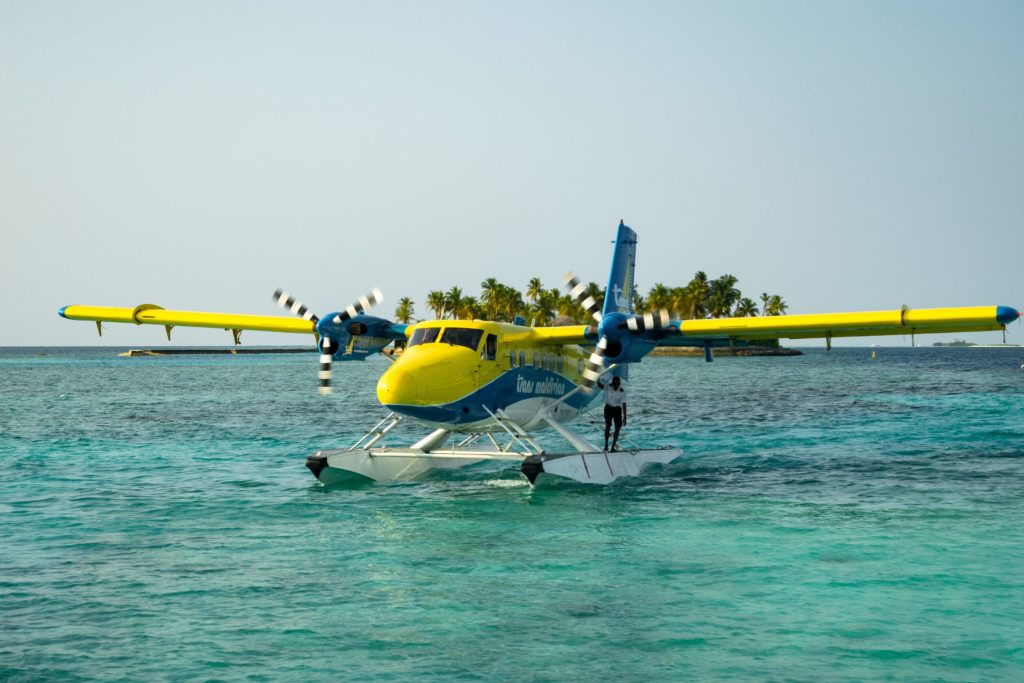
Based on bookings with seaplane operator Trans Maldivian Airways and a number of resorts, tourism in the Maldives is staging a gradual rebound since the island nation reopened in July.

Statistics from the Tourism Ministry has shown that an average of 628 tourists visit the Maldives daily after the nation reopened its borders to international tourists. 3,140 tourists arrived during the first five days of October, and the new arrivals average is now at 628; this is an 80 percent increase in arrivals compared to when the borders were newly reopened in July.


THAILAND
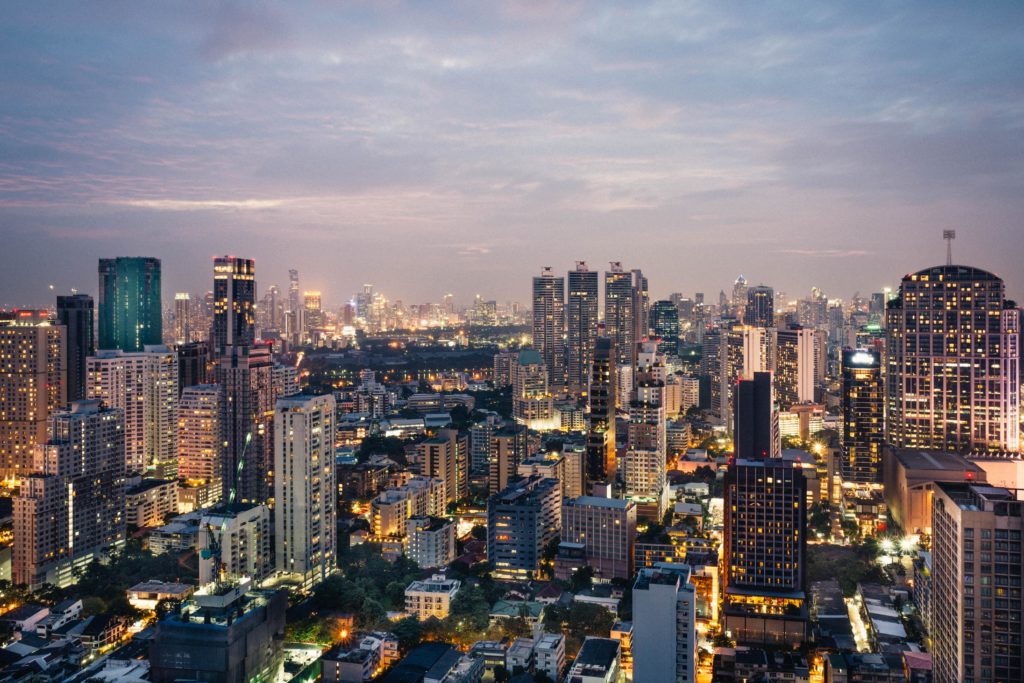
Thailand is in talks with China to establish a quarantine-free travel corridor by January to aid its tourism industry. According to the Thai Tourism Ministry, China, which accounted for more than a quarter of Thailand’s tourist arrivals before the pandemic, will be the first low-risk country Thailand will sign up for quarantine-free travel.

Meanwhile, tourism operators in Samui are planning to urge the government to help lower flight costs for tourists, while more hotels have been approved for alternative local state quarantine (ALSQ) status.


THE UAE
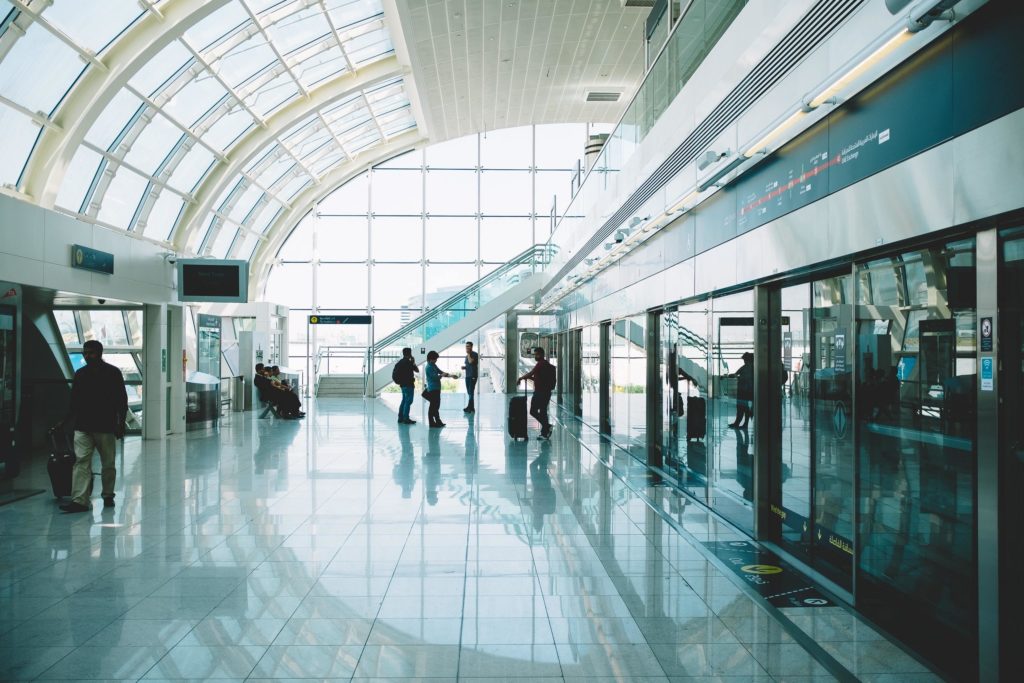
During a recent virtual G20 Tourism Ministers Meeting, the UAE affirmed its commitment to support international efforts to encourage tourism & improve safety of travel experience while adhering to global recommendations on the COVID-19 response. The G20 ministers discuss ways to capitalize on growth opportunities in the post pandemic phase and increase the sector’s contribution to comprehensive and sustainable development. The Group of Twenty (G20), the premier forum for international economic cooperation, brings together the world’s major advanced and emerging economies, comprising 19 countries and the European Union.


VIETNAM
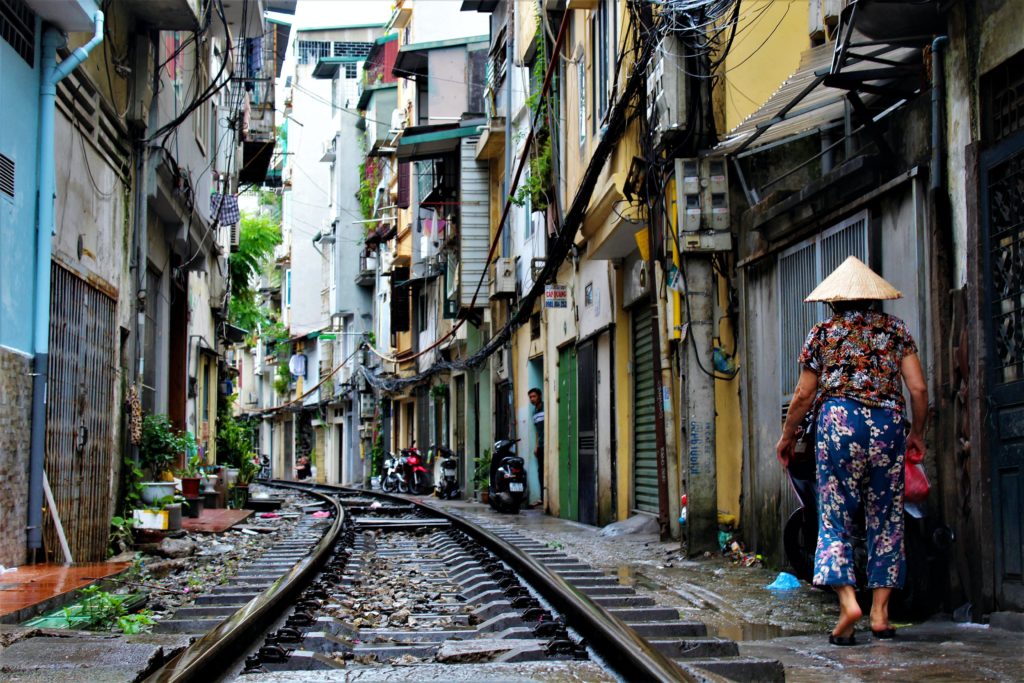
Vietnam launched a CNN International TV commercial titled “When you’re ready to travel again, why not Vietnam?”. This marks the country’s commencement of its tourism reopening strategy inviting travelers to consider Vietnam for their first holiday after COVID-19. According to Vietnam National Administration of Tourism, the country’s strong safety record since the start of the pandemic and its ability to provide socially distanced holiday options are top reasons for tourists to consider Vietnam for their upcoming trips.


INDONESIA
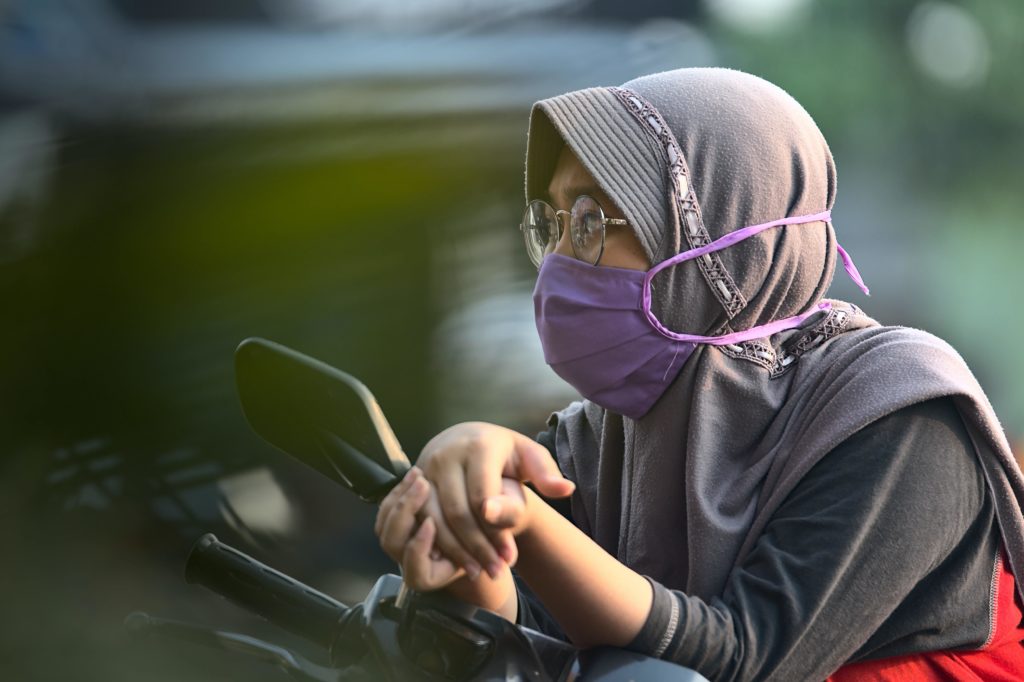
Indonesia has become the first signatory of the UNWTO Tourism Ethics Convention, the landmark created to ensure global tourism is fair, inclusive, more transparent, and works for everyone. This signals the country’s strong commitment to uphold the highest ethical principles as it expands its tourism sector. Indonesia is currently working with UNWTO to restart tourism in the wake of the COVID-19 pandemic. In September, the UNWTO conducted a virtual meeting with the Indonesian government to explore solutions for the safe reopening of Bali to international visitors. 


MALAYSIA

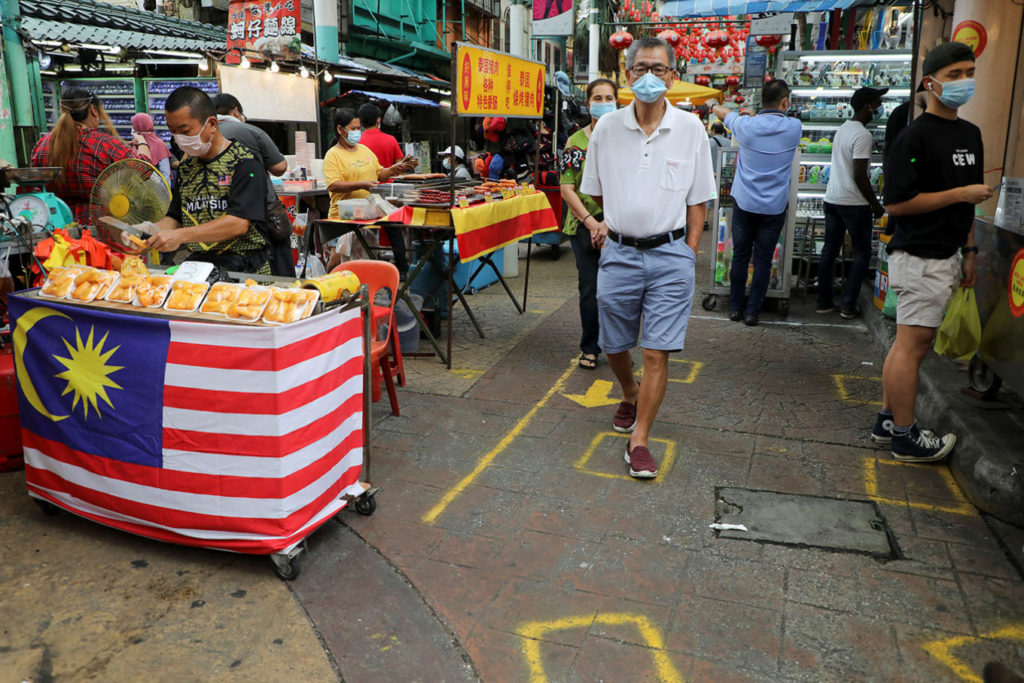
Malaysia is reportedly planning to reopen its tourism by the first quarter of 2021. Tourism director-general, Musa Yusof, said in a local TV program that they are keen on resuming cross-border leisure travel with neighboring countries Singapore, Brunei, Thailand, and Indonesia.

Meanwhile, Malaysia has won the Pacific Asia Travel Association Gold Award 2020 in the “Tourism for All” category through the virtual tourism for senior citizens initiative pioneered by Taylor’s University. The PATA Gold Award is a recognition for excellence, innovation, and standards in travel and tourism. Malaysia hopes that this can inspire the industry to move forward with more sustainable and responsible initiatives in line with COVID-19 recovery measures.


QATAR
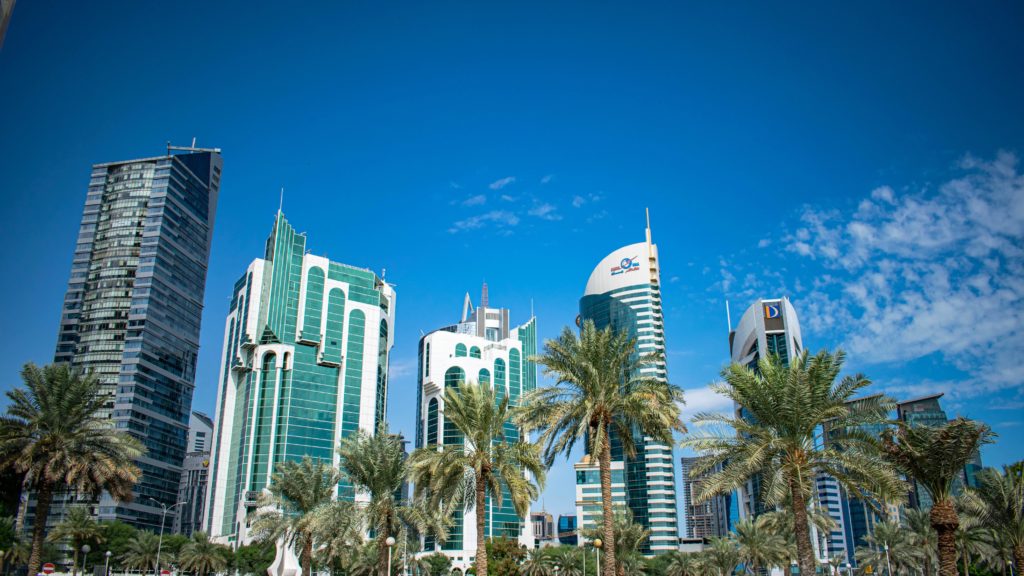
The Tourism Council of Qatar announced the launch of two new hotel and leisure destinations, opening in late 2020 and early 2021. The country is currently undergoing an extensive tourism development strategy, as it prepares ahead of the FIFA World Cup Qatar 2022TM.

Moreover, Doha has been nominated in both leading business travel and sports tourism destination categories at the prestigious World Travel Awards (WTA) 2020, a global initiative that recognizes excellence in all key sectors of travel, tourism, and hospitality industries.

We at RMC will continue monitoring the situation in the countries we arrange Hospitality Internships and Management Training Programs in. Together with the Hospitality and Travel sector, we remain optimistic about the gradual reopening of business and tourism activities towards 2021. For questions or inquiries, don’t hesitate to send us an email or visit our website.
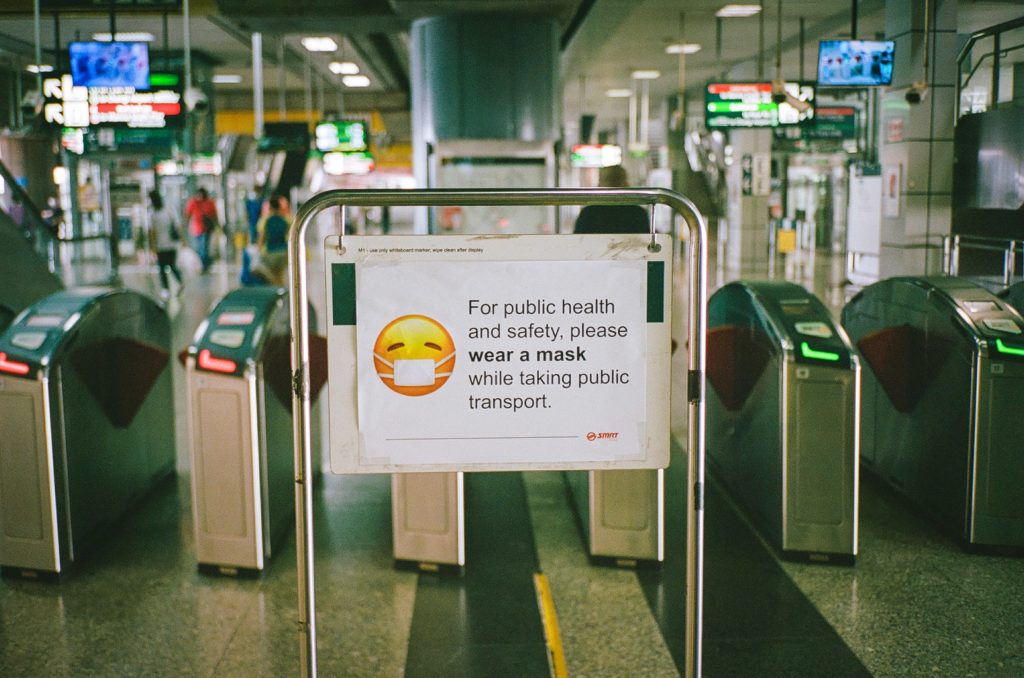
 

What is happening in our program destinations? | October 2020 update from Asia and the Middle East Read More »

An update from Southeast Asia | Thailand aims to once again welcome International Tourists starting from October

Thailand, one of our Educational Travel Program destinations, is one of the best-performing countries in terms of COVID-19 response and prevention. Although cases are still present, the government is continuously working to keep the community and the economy strong.

The Tourism Ministry of Thailand has recently pledged to welcome the first batch of international tourists to the country by October.

According to the Ministry, tour operators can now start promoting long-stay packages via the special tourist visa (STV) to potential customers. The SVT will allow foreign visitors to stay in the country for 90 days, extendable twice for up to 270 days. This policy is expected to be effective starting next month until November next year.

To be eligible for the STV, tourists must provide all required documents regarding their itinerary to officials. This includes payment for alternative state quarantine (ASQ) or alternative local state quarantine (ALSQ) facility, post-quarantine accommodation, chartered flights or private jet bookings, COVID-free certificate, and travel and health insurance.

After the approval of all documents by the Foreign Ministry, it will issue a certificate of eligibility (COE) and STV to tourists to let them continue with their travel plans.

Bangkok is where the first visitors will undergo 14-day quarantine, as the city provides sufficient ASQ facilities. During the first stage of reopening, international flights will be limited to three flights a week with 100 tourists per flight. Many travelers have already shown interest in visiting  Thailand. Thus, if the initial month runs smoothly, and providing another outbreak does not happen, the government aims to increase capacity in the next phase.

According to the Centre for COVID-19 Situation Administration, the policy targets to bring in 100-300 visitors a week, or up to 1,200 people a month. This is expected to generate income of about 1 billion baht a month, which can hopefully help the country restore the tourism industry at a minimum level.

An update from Southeast Asia | Thailand aims to once again welcome International Tourists starting from October Read More »

Traveling during COVID-19 – from Switzerland to Thailand

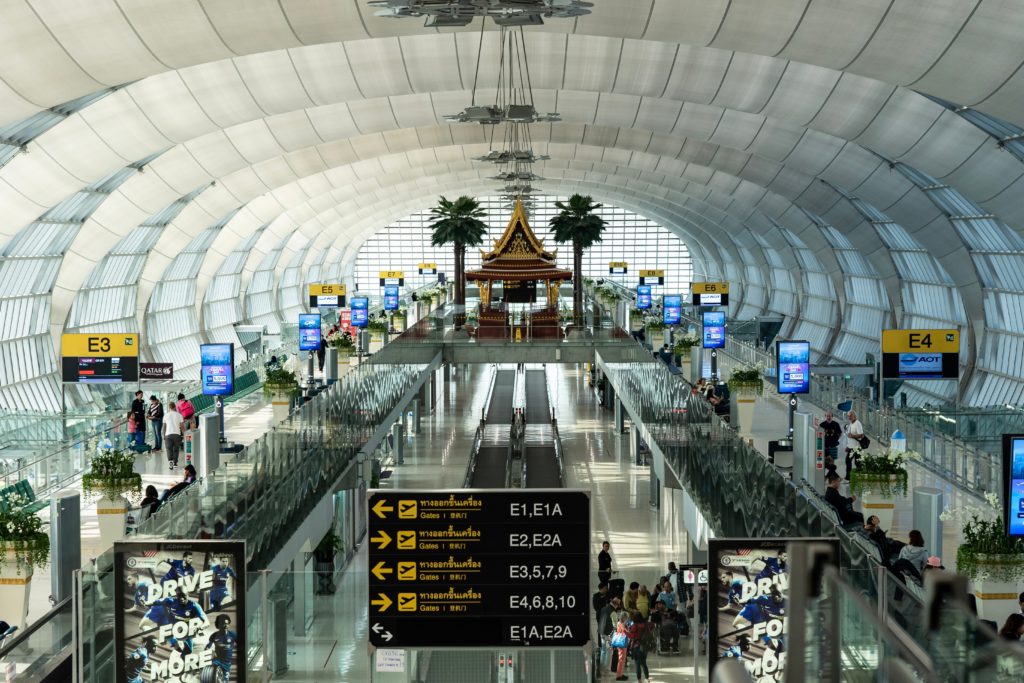
Bangkok, Thailand Airport

Even in the midst of the current COVID-19 pandemic, we have continued communicating with our program participants to support them in their Educational Travel journey. Some of our participants stayed wherever their program destination is while others decided to come home.

Angie, one of our Hospitality Internship Asia Program participants recently returned to Thailand from Switzerland. She is a Hospitality student currently enrolled at one of our partner Universities in Switzerland.

In one of our recent exchanges with her, she decided to share with us the journey she went through in trying to get home. Let’s hear what Angie has to say about traveling internationally to Bangkok during COVID-19.

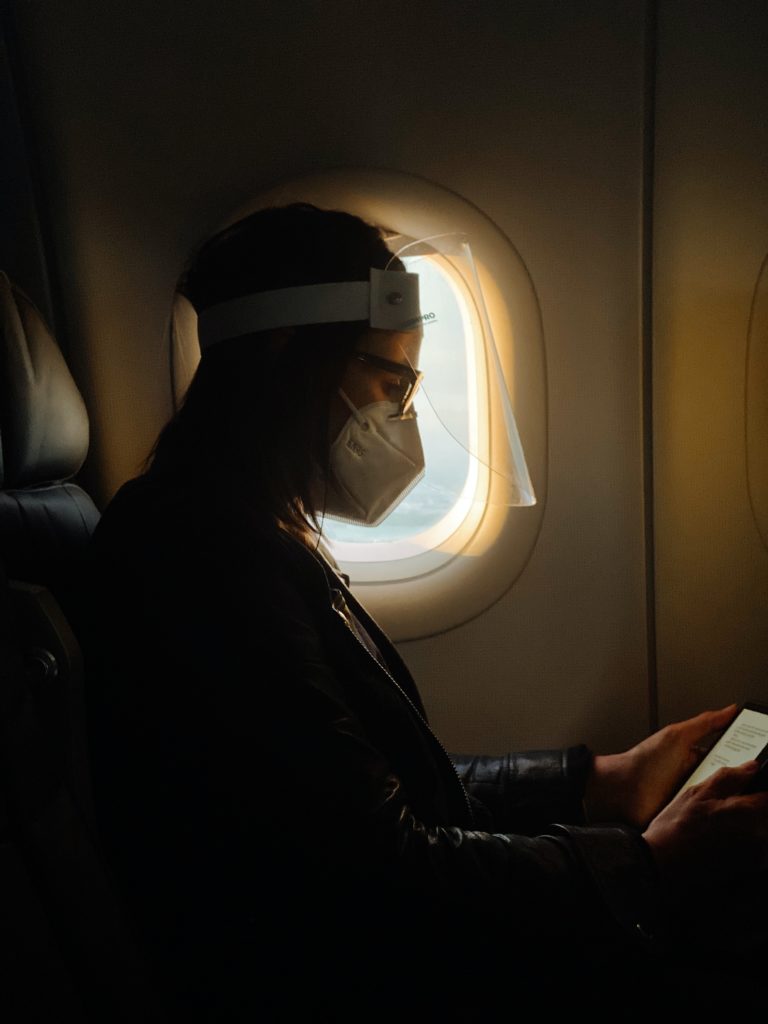
My travel adventure during COVID-19 was different (but not unusual) from my previous international trips.

Firstly, I had to contact the Thai embassy in Switzerland so I could start the process where they would put me in a queue for the flight while also collecting some personal information. 

They would normally contact around two weeks before you’re supposed to fly, informing you that there is a flight available for you. Unfortunately, they did not have any direct flights from Switzerland to Thailand, but they did have flights going from Vienna airport to Bangkok. This meant that I would have to find a way to arrive at Vienna airport, whether through a flight or a bus. 

So, I had to organize myself from Zurich to Vienna while the embassy was organizing the flight from Vienna to Bangkok. I immediately booked my flight from Zurich to Vienna and the embassy instructed me to wait for their confirmation (a call) for buying the ticket for Vienna to Bangkok.

This would bring us into the second stage where the embassy instructed us to take a health examination for a ‘fit to fly’ certificate. This was not a COVID-19, but an examination to see if the passenger has any COVID-19 symptoms. The examination for this had to be taken 1 or 2 days before the flight otherwise the certificate would not be valid. 

During this time, the passengers received lots of documents to be signed from the government and the airline that will be flying us to Bangkok. All of these documents had to be printed and presented on the day of the flight, including the ‘fit to fly’ certificate.

I got a confirmation from the embassy 5 days before I was supposed to fly to buy the ticket from Vienna to Bangkok. In my case, I had to call the airline directly (number provided by the embassy) to book my ticket and they already had all my information on a list that was provided by the embassy. All I had to do was confirm my name, birthdate, and finally my credit card details. They went over with some details about the flight and luggage. The day of the flight was pretty normal, I just had to wear a mask at all times and had to undergo more security checks. My flight arrived in Vienna early morning while our flight to Bangkok was in the evening. The embassy officials from Vienna greeted us at a gate with a lunch box, a bag with snacks, and essentials (extra face mask, wet cloth, water, etc.). While waiting for our flight, the officials checked our documents to ensure we had everything ready, and if not, they provided it themselves. Come time for the flight to Bangkok, we were seated with a spare seat between each passenger.

Once we landed in Bangkok we had to wait at the airport terminal for at least an hour to get all of our documents checked again. They also had to check our temperature. We went through immigration in small groups. There were officials everywhere guiding us on where to go and reminding us to stay in a safe distance. Once we got through immigration and got our luggage, they started to lead us outside to have our bags sprayed and disinfected. From there, we took our bags to the bus and just waited. They then took us to the Avana Bangkok Hotel. Once we arrived, the officials took all of our luggage out and lined them up. Only 5 people were allowed out at a time to pick up the luggage, to check the documents once again, and to get our room keys. They only allowed one person per room (unless you have children, then you can have up to 2 people maximum).

Once inside the room, we found some documents in Thai, listing the instructions, rules, and regulations of the quarantine. This includes no passing of any items between rooms and daily self temperature checks with a thermometer found in our room. 

The hotel dropped food off in front of our room 3 times a day. 

During the quarantine period, I was tested twice for COVID-19. The first one was 3 days after our arrival and the next is 3 days before your departure. It was a quick nasal swab test and results came in within 24 hours.

That’s basically how my journey went. I’m just glad I was able to come home safe and healthy. Thank you for checking on me. ”

Traveling during COVID-19 – from Switzerland to Thailand Read More »

What is happening in our program destinations? | September 2020 update from Asia

A lot has happened in Asia in the past few months. Since COVID-19 came, country leaders in our six program destinations – MalaysiaThailandthe MaldivesVietnamthe UAE, and Indonesia – have been working hard to ensure not only the safety of their people but also the security of their economies.

It has been more than half of a year that our Global Community, especially the Hospitality and Travel Industry, is experiencing significant social and economic changes. Nevertheless, we still never run out of positive news to share with the World.

Here are some important updates relevant to the COVID-19 pandemic in our program destination:


MALAYSIA HEIGHTENS PROTOCOLS, PREPARES FOR POST-PANDEMIC

• Malaysia announced that the country’s Recovery Movement Control Order (RMCO), which maintains strict travel restrictions, will remain in place until Dec 31, 2020.

• Malaysia and Singapore are currently finding effective ways to quickly open up borders for each other.

• The East Coast Economic Region Development Council has proposed the development of Terengganu islands as domestic tourism to the islands is expected to increase post-COVID-19, this is also expected to curb the threat to marine biodiversity.


PRIVATE SECTOR IN THAILAND CONTINUES TO STRIVE AND GET INVOLVED

• Thai Airways International (THAI) tickets will remain valid until the end of next year or can be converted to travel vouchers valid until the end of 2022.

• The InterContinental Hotels Group (IHG) has continued its global expansion plans despite COVID-19. This includes openings in Khao Yai, Chiang Mai, and Yao Yai in 2021.

• Thai Hotels Association urged the government to include expatriates in the second phase of tourism stimulus, a program aimed at boosting domestic travel during the pandemic.


TOURISM CONTINUES IN THE MALDIVES WITH NEW SAFETY MEASURES

• From September 10 onwards, tourists visiting the island nation will need to be tested for COVID-19 (PCR) and receive a negative certification 72 hours ahead of their arrival.

• The Tourism Ministry recently launched a webinar series as part of the government’s crisis recovery action plan. The action plan aims to reconnect the Maldives with


VIETNAM CONTINUES PRECAUTIONS, RESUMES DOMESTIC FLIGHTS

• To keep the situation under control, the reopening of Vietnam’s borders is suspended until further notice.

• Foreigners entering the country are responsible to pay for the mandatory quarantine. • The goverment has renewed the visas for everyone stuck in the country until September 30th.

• Vietnam Airlines resumed local flights to and from Da Nang on September 7.


UAE COVID-19 FRONTLINERS GET SPECIAL TREATS

• Around 80,000 frontline heroes in the UAE are expected to receive special benefits from the government and private sectors including mental health and educational support.

• Dubai, UAE officially reopened its borders for international tourists on July 7.

• Visitors and residents entering Abu Dhabi and staying in the capital for six consecutive days or more will have to take a PCR test on the sixth day of their stay, besides providing a negative PCR or DPI test result at the entry point.


INDONESIAN GOVERNMENT STEPS US AGAINST COVID-19

• The government of Indonesia has allocated $2.8 billion for the development, production, and procurement of a vaccine against COVID-19.

• Plans to reopen Bali to international tourism this month have been reconsidered following the government’s decision to wait until the end of this year before welcoming foreign tourists.


We at RMC will continue monitoring the situation in the countries we arrange Hospitality Internships and Management Training Programs in. Together with the Hospitality and Travel sector, we remain optimistic about the gradual reopening of business and tourism activities towards 2021.

For questions or inquiries, don’t hesitate to send us an email or visit our website.
What is happening in our program destinations? | September 2020 update from Asia Read More »

Traveling during COVID-19 – from the US to Indonesia

Traveling seems to be impossible during the current pandemic. COVID-19 has probably affected the travel industry the worst – travel bans, border restrictions, flight cancellations, visa invalidations, and the list goes on. However, there are still special cases when travel is allowed and acceptable.

Some people were able to go to a few destinations in the past months, mostly because of important reasons such as family emergencies, health concerns, government-related meetings, and the like.

For instance, traveling to Indonesia from the US has been possible for some people during the pandemic. If you happen to be one of the people who are curious about how to get to Indonesia via Jakarta all the way from the US, we have some tips for you.

You need to pay close attention to these tips and steps as the process could be tedious if you don’t.

First, you need two printed documents

  1. COVID (PCR) test with a negative result within 7 days after it was issued from the health facility when you land in Jakarta.

There are a good number of testing sites that may be located near you so better do some online search yourself. On the other hand, here is a useful link for testing sites that you can go to. It is important to plan your test accordingly. Test results may take longer depending on lab capacity. Some results take more than a week to arrive, while some may take just a couple of days. You can opt to have an agreement with your chosen testing lab if necessary.

  1. Embassy letter (surat keterangan jalan) from KJRI.

You may check with KJRI in your respective US state if this applies to you. According to KJRI San Francisco in July, the letter is only required for those who are traveling outside of Jakarta. Here’s the email address of KJRI San Francisco to check if that information is still valid or if you have any other questions: konsuler@kjrisfo.net.

Second, checking-in at SFO

Flight cancelation is common nowadays. Hence, we suggest you call your airline one to two days before the flight schedule to make sure that it’s still on track. On a brighter note, international flight tickets are way cheaper these days!

Your PCR test will be checked at the check-in counter. Some airlines such as ANA will require a certificate that says “I have no respiratory problems and that I’m fit to travel”, so, just to be sure, might as well request this to be included in your test result.

Third, taking off

Expect that there will be fewer passengers than the usual international flights. The flight from SFO to Tokyo might be less busy than the flight from Japan to Jakarta. Food may be served during the flight but no duty-free shopping.

Fourth, arriving in Indonesia

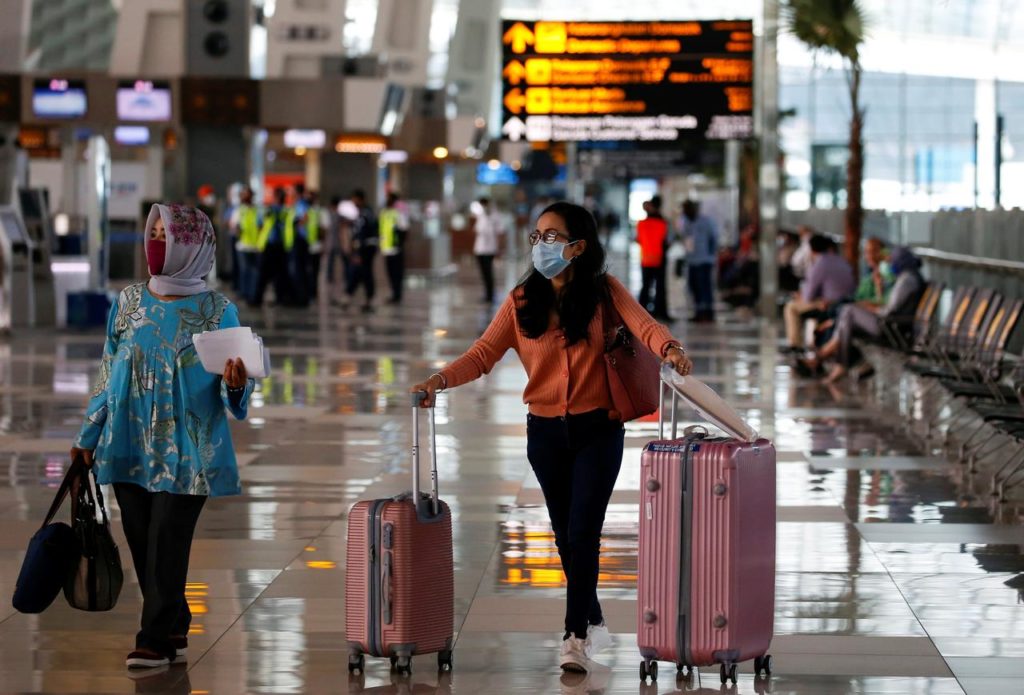
When you land in Soekarno Hatta International Airport you will:

  1. Be prompted to sit in one of the chairs that are set up in rows to fill out some paperwork, mostly related to health and travel history.
  2. Proceed to the next counter to get your temperature, pulse, saturation (oxygen level) taken.
  3. Continue to another line at the health port counter where they will review your result from the previous step and also give you an approval stamp on your PCR test.
  4. Get your health stamp approval and proceed to the final immigration counter. This is the usual immigration counter that will stamp your passport on arrival, after that you are free to pick up your luggage.
  5. Go through 3 other checkpoints by military suited officers. At this stage, they will only review the approved health stamp from step 3, and the second checkpoint will ask for your declaration form.

In general, upon arrival, officers will check the validity of all documents and confirm proof of medical tests. Those who have not been tested will be taken care of by a task force and are obliged to be quarantined for 3-5 days before receiving PCR test results. If the results come out negative, travelers are able to continue their journey. However, if the results are positive, they would be transferred to the Wisma Atlet Hospital or another referral hospital.

These steps might be tedious at first glance but if you really plan and prepare well for your journey, the process can actually be pretty easy! If you truly need to get to Indonesia or any other country during the COVID-19 pandemic, you need to have a good amount of patience and motivation.

Have a good journey ahead. Stay safe and healthy!

Traveling during COVID-19 – from the US to Indonesia Read More »

Scroll to Top
Our new website is now live
Go ahead and check it out!

This website uses cookies to ensure you get the best experience on our website. Learn more about our privacy policy.